- +86 13957580925
- 510515850@qq.com
- adela0928@163.com

The 2026 fabric market is becoming more demanding. Buyers want comfort, durability, stable pricing, and clearer performance evidence. Polyester Viscose Blend remains a practical option for uniforms, trousers, suiting, hospitality wear, and everyday workwear.
This fabric combines polyester’s strength with viscose’s softer touch and natural-looking drape. The ratio changes everything. A 65/35 blend may resist wrinkles well, while a 55/45 construction can feel smoother against the skin. Buyers should examine fabric weight, yarn quality, weave, colorfastness, pilling resistance, shrinkage, and recovery after washing. Small details matter.
Textile consultant Deborah Young offers a useful reminder: “Fabric performance begins with the user, not the fiber name.” Her point is easy to overlook. A fabric that feels excellent on a sample table may behave differently after repeated laundering, pressing, or long hours of wear.
This guide reviews the top Polyester Viscose Blend fabric types expected to attract buyers in 2026. It considers tropical suiting, twill, stretch, brushed, recycled-content, and lightweight uniform fabrics. Each option serves a different purpose.
A perfect blend does not exist.
Some fabrics trade softness for durability. Others wrinkle less but feel warmer. Buyers must compare tested specifications with real usage conditions, not rely on attractive claims alone. Supplier transparency also deserves attention, including fiber percentages, testing records, production consistency, and available certifications.
The strongest purchasing decisions come from practical trials. Touch the fabric. Wash it. Inspect the surface. Then question the result.
What Is Polyester Viscose Blend Fabric?
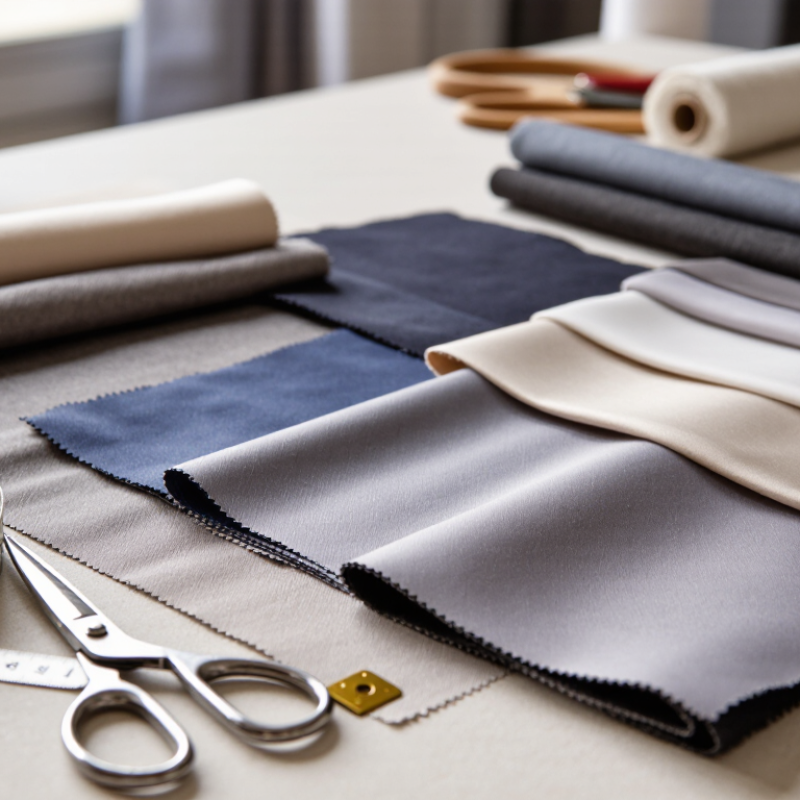
Polyester viscose blend fabric combines synthetic polyester with regenerated cellulose viscose. The ratio may be 65/35, 70/30, or another specification. Each fiber changes the fabric’s performance. Polyester adds strength, shape retention, and faster drying. Viscose contributes softness, fluid drape, and a cooler hand feel.
It feels practical.
In fabric inspections, I check the fiber ratio before judging quality. A higher polyester content usually improves durability and crease resistance. More viscose often creates a softer surface and more elegant movement. However, it may also increase shrinkage or weaken the fabric when wet. The final result depends on yarn quality, weaving, finishing, and fabric weight.
Common types include plain-weave suiting, twill workwear fabric, stretch blends, and brushed versions for cooler clothing. A smooth plain weave suits shirts and uniforms. Twill offers a denser surface for trousers and jackets. Stretch versions may include a small amount of elastane, but buyers should verify the full composition. “Polyester viscose” alone does not confirm stretch performance.
Touch can mislead.
For purchasing decisions, request test data for shrinkage, colorfastness, pilling, and dimensional stability. Compare samples after washing, not only before production. I have seen a soft sample lose its shape after repeated laundering. That weakness is easy to miss during a short inspection. Weight, width, shade consistency, and finishing chemicals also deserve written confirmation before approval.
| Fabric Type | Typical Fiber Composition | Common Weight Range | Key Performance Characteristics | Recommended Applications | Buyer Considerations | Typical Care Guidance |
|---|---|---|---|---|---|---|
| 65/35 Polyester Viscose Plain Weave | Approximately 65% polyester and 35% viscose | 110–180 g/m² | Balanced durability, moderate breathability, good color retention, and a smooth surface suitable for dyeing and printing. | Work shirts, uniforms, lightweight trousers, blouses, linings, and general apparel. | A widely used general-purpose ratio. Polyester improves strength and crease resistance, while viscose adds softness and drape. | Machine wash according to the garment label; use moderate heat and avoid excessive tumble-drying temperatures. |
| 65/35 Polyester Viscose Twill | Approximately 65% polyester and 35% viscose | 180–280 g/m² | Diagonal twill structure, improved abrasion resistance, better opacity, and a more substantial hand feel than plain weave. | Uniform trousers, workwear jackets, servicewear, schoolwear, and structured garments. | Suitable where durability and shape retention are more important than very light weight. Check fabric width and shrinkage before ordering. | Wash at a controlled temperature; press at low to medium heat to protect the viscose component and surface finish. |
| 70/30 Polyester Viscose Suiting | Approximately 70% polyester and 30% viscose | 220–300 g/m² | Good crease recovery, stable dimensions, a clean tailored appearance, and relatively low maintenance. | Business suits, blazers, formal trousers, waistcoats, and corporate uniforms. | The higher polyester content generally supports durability and easy care. Select a suitable finish if softness or drape is a priority. | Dry cleaning or gentle washing may be specified depending on the finishing process; follow the finished garment label. |
| 80/20 Polyester Viscose Workwear Fabric | Approximately 80% polyester and 20% viscose | 200–320 g/m² | High resistance to repeated wear, strong shape retention, lower wrinkling, and relatively quick drying. | Industrial uniforms, hospitality uniforms, utility trousers, transport workwear, and institutional apparel. | Appropriate for frequent laundering and demanding use. The lower viscose percentage may provide less softness and moisture absorbency. | Use the laundering method validated for the final garment; avoid excessive heat that can affect dimensional stability and finishes. |
| 55/45 Polyester Viscose Soft-Drape Fabric | Approximately 55% polyester and 45% viscose | 120–220 g/m² | Soft hand feel, improved drape, better moisture absorbency than high-polyester blends, and a more natural appearance. | Fashion tops, dresses, skirts, relaxed trousers, scarves, and lightweight uniforms. | Offers a softer balance but may wrinkle and shrink more than blends with higher polyester content. Confirm finishing and dimensional stability. | Gentle washing and low-temperature drying are generally preferable; reshape while damp where appropriate. |
| 50/50 Polyester Viscose Blend | Approximately 50% polyester and 50% viscose | 130–260 g/m² | Balanced softness, drape, strength, color performance, and comfort. Performance depends strongly on yarn, weave, and finishing. | Shirts, dresses, trousers, skirts, uniforms, casualwear, and mixed-use apparel. | A versatile composition for buyers seeking a middle ground between synthetic durability and cellulosic comfort. | Use a gentle cycle and moderate temperature; check for possible viscose-related shrinkage before bulk production. |
| Polyester Viscose Stretch Fabric | Usually 60–75% polyester, 20–35% viscose, and 2–5% elastane | 180–280 g/m² | Added comfort stretch, improved movement, wrinkle resistance, and good recovery when the elastane is properly engineered. | Stretch trousers, fitted uniforms, skirts, officewear, travel clothing, and performance-oriented apparel. | Request stretch and recovery test results. Excessive heat, chlorine, or harsh finishing can reduce elastane performance. | Wash gently at the recommended temperature; avoid high heat and chlorine bleach to help preserve elasticity. |
| Polyester Viscose Melange Fabric | Commonly 60–70% polyester and 30–40% viscose, with mixed-color yarns | 140–260 g/m² | Heathered visual effect, reduced appearance of minor surface marks, stable wear performance, and distinctive color depth. | Casual uniforms, knit-look woven apparel, shirts, dresses, officewear, and contemporary workwear. | Color appearance can vary by yarn lot and lighting. Approve a lab dip or production sample before bulk purchase. | Wash according to the care label; sort by color and avoid harsh bleaching agents that may affect the melange effect. |
| Brushed Polyester Viscose Fabric | Often 65% polyester and 35% viscose, with a brushed or peach-finished surface | 180–300 g/m² | Softened surface, warmer hand feel, improved comfort, and a casual appearance compared with an unbrushed construction. | Overshirts, casual trousers, jackets, winter uniforms, and lightweight outerwear. | Evaluate pilling, nap direction, shade consistency, and surface durability because brushing changes the fabric’s appearance and handle. | Turn garments inside out, use a gentle cycle, and avoid excessive friction and high heat during drying. |
| Recycled Polyester Viscose Blend | Polyester content may include recycled polyester; viscose is usually blended at 20–45% | 120–300 g/m² | Can provide the performance profile of conventional polyester viscose fabric while reducing reliance on virgin polyester, subject to verified inputs. | Uniforms, workwear, fashion apparel, promotional clothing, and products with recycled-material requirements. | Request documentation for recycled content, chain of custody, composition, colorfastness, and restricted substances compliance. | Follow the final garment care label; lower-temperature washing can help reduce energy use and fiber stress. |