Top 10 Benefits of Synthetic Polyester Fabric in Everyday Life?
Synthetic Polyester Fabric has revolutionized our daily lives with its remarkable versatility and durability. According to a report from the Textile Institute, demand for synthetic fabrics, particularly polyester, has surged by over 30% in the past five years. These materials are not just lightweight and strong; they also offer moisture-wicking and stain-resistant properties that appeal to consumers across various industries.
“Synthetic Polyester Fabric has become an essential part of modern textiles,” says Dr. Emily Turner, a leading expert in textile engineering. She emphasizes how this fabric contributes to sustainability by reducing waste. However, the proliferation of polyester raises concerns about environmental impact. While it offers convenience, the long-term effects on our ecosystem must be critically evaluated.
The everyday benefits are apparent. From apparel to home furnishings, synthetic polyester enhances comfort and functionality. Consumers appreciate these fabrics in activewear for their breathability and resilience. Yet, it’s essential to acknowledge the trade-offs. Understanding both benefits and drawbacks of synthetic polyester fabric can guide us toward more conscious choices in our daily lives.

Advantages of Durability in Synthetic Polyester Fabric
Synthetic polyester fabric is highly valued for its durability. This material can withstand daily wear and tear better than many alternatives. Whether in clothing, upholstery, or outdoor gear, polyester resists fading and shrinking. It retains its shape even after various washes. Importantly, it is water-resistant and quick-drying. This feature makes it ideal for sportswear and outerwear.
Tips: When buying polyester items, check the weight. Heavier fabric often indicates better durability. Look for high denier counts as well; these usually promise robust construction.
However, not all polyester is created equal. Some cheaper grades may fray or lose shape. Regular checks for signs of wear can help maintain your polyester items over time. Altering how you store them can also extend their lifespan. For instance, avoid folding heavy polyester garments to prevent creasing. It’s crucial to balance usability and care for these items.
Regular cleaning is necessary yet can risk damaging the fabric. Follow manufacturer guidelines closely. Using cold water and gentle detergents can preserve the fabric's integrity. After all, durability is not just inherent but also a result of proper maintenance.
Top 10 Benefits of Synthetic Polyester Fabric in Everyday Life
| Benefit |
Description |
Everyday Applications |
| Durability |
Resistant to wear and tear, ensuring long-lasting use. |
Clothing, upholstery, outdoor gear |
| Moisture Wicking |
Helps in managing sweat and moisture while keeping you dry. |
Athletic wear, socks, moisture-wicking shirts |
| Lightweight |
Light and comfortable for easy wear. |
Activewear, travel gear |
| Color Retention |
Maintains bright colors for a long time without fading. |
Fashion apparel, home textiles |
| Quick Drying |
Dries faster than many natural fibers. |
Sports gear, towels |
| Easy to Care |
Machine washable and low maintenance. |
Everyday clothing, uniforms |
| Pest Resistant |
Resists mold, mildew, and insects. |
Outdoor gear, camping equipment |
| Versatility |
Can be blended with other materials for enhanced properties. |
Various fabric types, blends for tailored uses |
| Cost-Effective |
Generally more affordable than natural fibers. |
Budget-friendly apparel, home furnishings |
Versatility of Polyester in Clothing and Home Textiles
Polyester has become a staple in both clothing and home textiles. Its versatility is remarkable. You can find it in everything from casual t-shirts to luxurious curtains. The fabric's durability makes it ideal for everyday wear. It withstands frequent washing without losing shape or color. This ensures you can enjoy your favorite garments longer.
In home textiles, polyester offers a wealth of options. Couch covers and bedding made from polyester are practical and easy to care for. They resist wrinkles and stains, making life a bit simpler. Polyester blends can create textures that resemble natural fabrics. However, the synthetic nature may fall short for some. They might miss the breathability of cotton or wool. These shortcomings invite reflection on the balance between convenience and comfort.
Fashion and home decor utilize polyester's vibrant colors. The fabric holds dye exceptionally well, leading to bright patterns. But one might ponder sustainability concerns. While polyester is practical, its environmental impact is complex. The reliance on petroleum-based products raises questions. As we embrace its benefits, it is essential to consider responsible choices in our fabric selections.
Cost-Effectiveness of Synthetic Polyester in Production
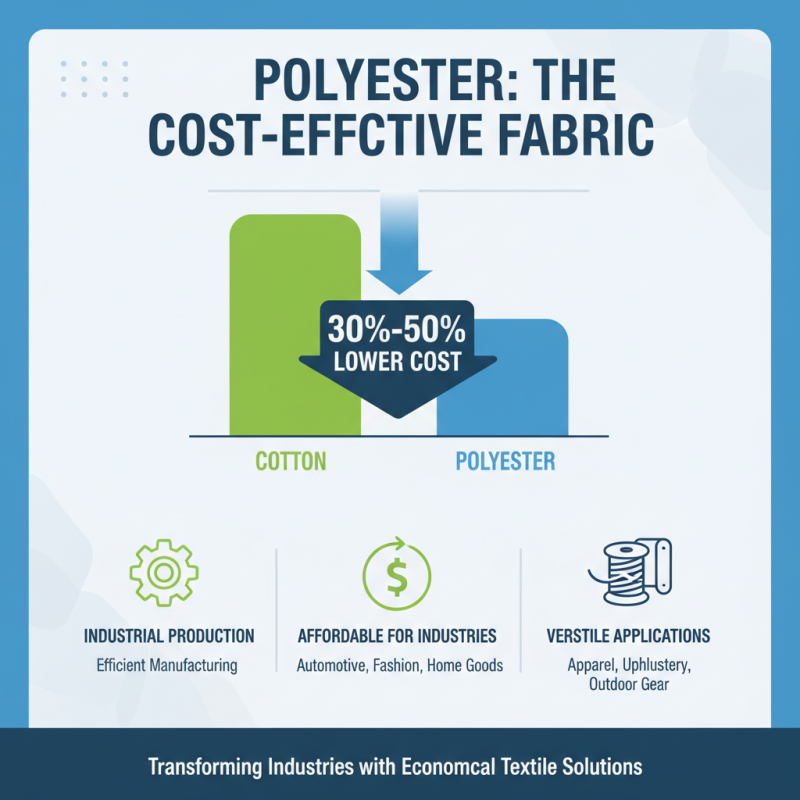
Synthetic polyester fabric has transformed various industries due to its cost-effectiveness in production. According to industry reports, manufacturers can produce polyester at a lower cost than natural fibers. Typically, polyester production costs can be 30% to 50% lower than cotton. This significant difference makes polyester a popular choice for many applications.
One tip is to consider the longevity of polyester. While its upfront cost is lower, the material often lasts longer than cotton. This durability can lead to savings over time as less frequent replacements are needed. However, it is essential to acknowledge that cheaper production methods can sometimes compromise quality.
Moreover, polyester's versatility enables its use in diverse products. It is found in clothing, home textiles, and industrial applications. Despite its benefits, consumers should be wary of microplastic pollution associated with synthetic fibers. Balancing cost-effectiveness with environmental impact is vital. Educating yourself on sustainable practices in polyester usage can help mitigate these concerns.
Moisture-Wicking Properties and Comfort of Polyester Fabrics
Polyester fabric has gained immense popularity in our daily lives. One of its most remarkable attributes is its moisture-wicking properties. When you wear polyester, it draws sweat away from your skin. This feature is beneficial during workouts or hot weather. It helps you stay dry and comfortable. Imagine finishing a run without feeling drenched. That’s the magic of polyester.
However, not every polyester fabric feels the same. The comfort level can vary greatly between different types. Some may feel scratchy or sticky when wet, which can be off-putting. It’s essential to choose wisely. Look for blends that offer a softer touch while maintaining moisture-wicking benefits. This ensures a balance between comfort and functionality.
Despite its benefits, polyester isn’t perfect. It can trap odors more than natural fabrics. This means additional laundry or fabric fresheners might be needed. It’s part of the upkeep that comes with synthetic fabrics. Knowing this can help you make informed choices when buying. Balancing these aspects allows you to enjoy all the advantages polyester has to offer.
Top 10 Benefits of Synthetic Polyester Fabric in Everyday Life
This bar chart illustrates the top 10 benefits of synthetic polyester fabric in everyday life, highlighting its impressive moisture-wicking properties along with other advantages such as durability, lightweight nature, and quick-drying characteristics.
Environmental Considerations of Synthetic Polyester Usage
Synthetic polyester fabric is widely used, but its environmental impact can be concerning. According to recent studies, polyester production contributes to significant greenhouse gas emissions. The global polyester fiber production generated over 700 million metric tons of CO2 emissions in 2019 alone. Additionally, microplastics from washing synthetic fabrics can enter waterways, harming aquatic life.
Tips: Consider washing polyester fabrics in cold water. This reduces energy use and minimizes microplastic release. Using a Guppyfriend bag can help trap microfibers during washing.
While polyester is durable and versatile, it often relies on non-renewable resources. The production process can lead to water pollution and habitat destruction. Recycling polyester is a step in the right direction. However, only 14% of polyester is recycled globally. Consumers should seek out recycled polyester products to support sustainable practices.
Tips: When shopping, look for clothing made from recycled polyester. This helps reduce demand for virgin materials and decreases waste.