2026 Best Polyester Weave Fabrics What to Choose?
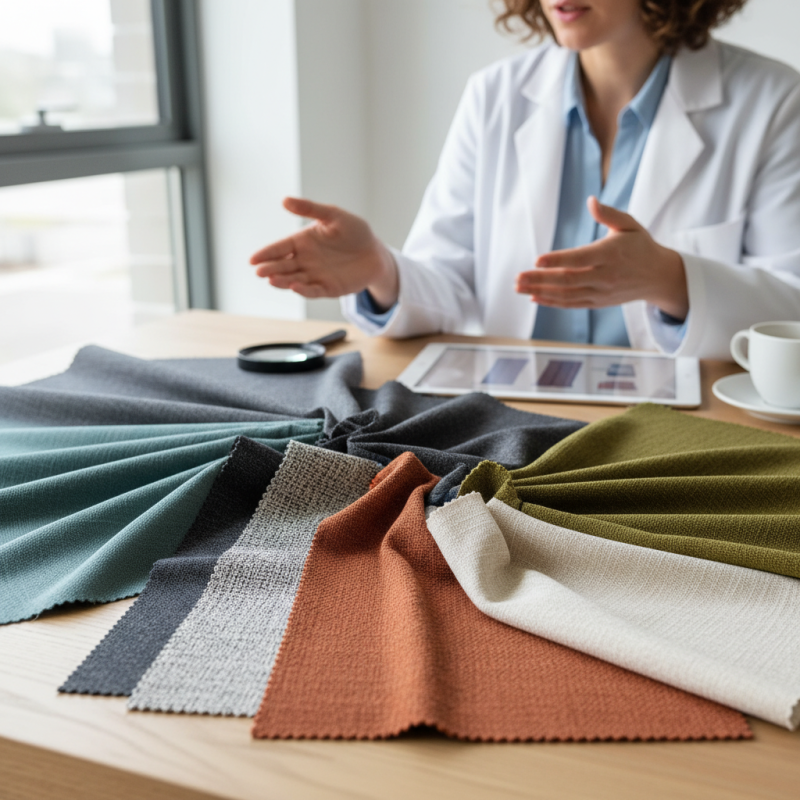
In the ever-evolving world of textiles, selecting the right fabric is crucial. Polyester weave fabrics have gained popularity for their durability and versatility. Expert in fabric technology, Dr. Emily Renner, emphasizes, "Finding the perfect polyester weave requires understanding your specific needs." This highlights the importance of selecting the right material for different applications.
Polyester weave fabrics come in various styles and textures. Each type serves distinct purposes, from apparel to upholstery. Potential buyers often face challenges in making informed decisions. The numerous options can be overwhelming, leading to confusion. It's important to consider aspects such as breathability, strength, and maintenance. Each has its own merits and limitations.
Choosing the right polyester weave might seem straightforward. However, many buyers overlook critical factors. The best choice hinges on understanding personal requirements. Whether for fashion or function, polyester weave fabrics can provide excellent results. But the journey to the best one often requires reflection and careful consideration.
2026 Polyester Weave Fabric Overview: Types and Characteristics
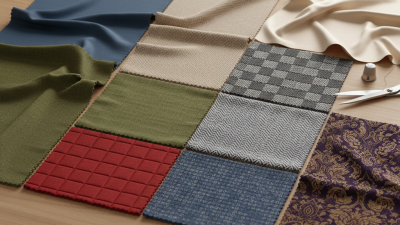
Polyester weave fabrics are known for their versatility and durability. In 2026, various types of polyester fabrics are available. The most common include twill, satin, and plain weave. Each type offers unique characteristics that can enhance different projects.
Twill weaves feature a diagonal rib pattern, making them strong and resilient. They resist wrinkles and stains, ideal for apparel and home textiles. Satin weaves create a smooth, glossy surface, often seen in evening wear and linings. They drape beautifully but can snag easily. Plain weaves are simple and sturdy, perfect for everyday items like shirts or curtains. However, they lack the luxurious feel of satin.
When choosing a polyester fabric, consider its purpose. Twill may be best for casual wear, while satin is suited for formal occasions. It’s essential to reflect on your needs. Evaluate the feel, look, and durability of each weave. The right fabric can make all the difference in your project.
2026 Best Polyester Weave Fabrics What to Choose?
| Fabric Type |
Characteristics |
Best Use |
Durability |
Breathability |
| Microfiber |
Soft, smooth finish, water-resistant |
Activewear, upholstery |
High |
Moderate |
| Taffeta |
Crisp, lustrous surface |
Lining, formal wear |
Moderate |
Low |
| Satin |
Smooth, glossy finish |
Evening gowns, lingerie |
Low |
Moderate |
| Canvas |
Sturdy, heavy fabric, excellent for printing |
Bags, outdoor furniture |
Very High |
Low |
| Chiffon |
Lightweight, sheer, flowing |
Dresses, blouses |
Low |
High |
Key Properties of Polyester Weave Fabrics: Durability and Versatility
Polyester weave fabrics are renowned for their durability and versatility. Unlike natural fibers, polyester exhibits high resistance to moisture. This property is vital in both indoor and outdoor applications. A study from Textile World shows that polyester fabrics maintain their shape over time, with only a 5% loss in tensile strength even after multiple washes. That is impressive.
These fabrics are ideal for various uses, including clothing, upholstery, and industrial applications. They can be engineered to meet specific needs, such as wrinkle resistance. However, recycling polyester remains a challenge. A significant amount ends up in landfills. It’s essential for the industry to improve recycling practices.
Versatility is evident as well. Polyester can mimic the texture of cotton or silk. Designers often choose it for its adaptability. According to a recent report by the International Fiber Journal, polyester accounts for 55% of the global fiber market. Despite its popularity, environmental concerns persist. Many consumers are demanding more sustainable options.
Current Market Trends for Polyester Fabrics in Fashion and Home Textiles
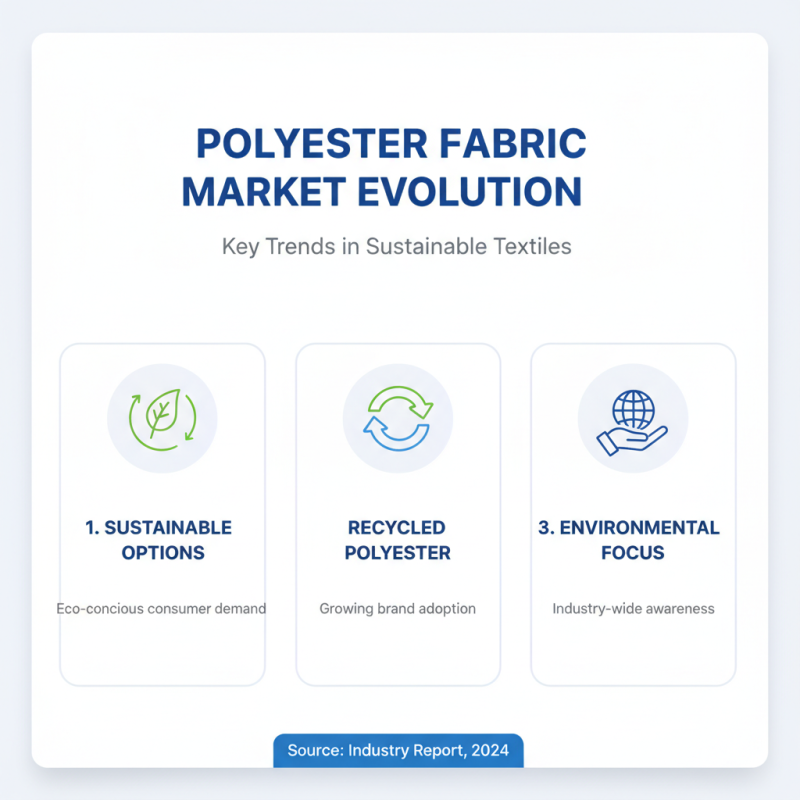
The current market for polyester fabrics is evolving rapidly. Designers are leaning towards sustainable options that appeal to eco-conscious consumers. Recycled polyester is gaining traction, with more brands emphasizing eco-friendly practices in their production processes. This shift reflects a growing awareness of environmental impacts within the textile industry.
In home textiles, polyester weaves offer durability and versatility. Many homeowners appreciate easy-care fabrics that resist wrinkling and fading. Soft touch and bright colors continue to entice buyers. However, some still find polyester less breathable than natural fibers. It’s a trade-off that consumers must consider.
Fashion trends are also shifting. Minimalism is gaining popularity, yet vibrant polyester designs still have a place. Mixing textures is now a way to add depth. However, not every fabric meets the expectations of quality and comfort. Choosing the right polyester weave needs careful consideration. It's an ongoing journey for both designers and consumers.
Choosing the Right Polyester Weave: Considerations for End Use
Choosing the right polyester weave involves many factors. First, consider the end use of the fabric. Is it for outdoor gear, fashion, or home décor? Different applications require different characteristics. For instance, activewear needs breathability and stretch. Home textiles may prioritize durability and texture. Each of these uses has specific requirements that can significantly impact the choice of weave.
Next, take note of the fabric weight and drape. A heavier weave might be better for upholstery, while lighter options work well for garments. Texture also plays a role. A smooth finish can look sophisticated, while a more textured surface can add depth and interest. Remember that clarity in purpose guides your choices. It’s vital to balance aesthetic appeal with functionality. Reflect on how the fabric will behave over time and with wear. Will it hold up? These considerations can lead to more informed decisions, impacting both performance and satisfaction with the final product.
Innovations in Polyester Weaving Technology: Impact on Sustainability
The advancements in polyester weaving technology have changed the fabric industry. Innovations focus on sustainability, which many consumers now prioritize. New weaving techniques reduce waste and energy consumption. Factories can now create more durable fabrics with less environmental impact. This shift allows brands to offer eco-friendly options, appealing to conscious buyers.
However, not all polyester products are equal. Some may still rely on traditional methods, which can undermine sustainability efforts. The challenge lies in choosing products that genuinely reflect these innovations. Transparency is crucial; consumers must ask questions. Understanding the weaving process can help identify truly sustainable fabrics. Despite progress, it’s clear that ongoing education is essential.
Patterns in polyester weaving are evolving, bringing both opportunities and challenges. It’s vital to support brands committed to sustainable practices. Yet, some brands may exploit trends without real change. Those interested in eco-friendly choices should remain vigilant. Awareness of the background processes can lead to better purchasing decisions. The journey toward sustainability in polyester weaving is ongoing and requires collective effort.
2026 Best Polyester Weave Fabrics: Innovations in Polyester Weaving Technology
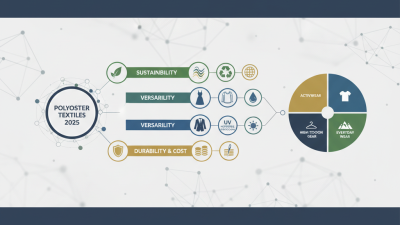
This chart illustrates key performance metrics of the best polyester weave fabrics in 2026, emphasizing innovations in polyester weaving technology and its impact on sustainability. Each attribute is measured as a percentage, demonstrating overall effectiveness in recyclability, durability, water resistance, eco-friendliness, and cost-effectiveness.