Best Sewing Polyester Fabric for Global Buyers?
In the quest for the best sewing polyester fabric, buyers face a myriad of choices. This fabric is popular for its durability and versatility. With its resistance to shrinking and stretching, sewing polyester fabric is an ideal option for various projects.
Many global buyers seek reliable sources for quality materials. Recognizing the characteristics of sewing polyester fabric is essential. Factors such as weight, texture, and finish greatly influence the end product. Different vendors offer diverse qualities, so evaluation is crucial.
However, not all polyester fabrics are created equal. Some may exhibit fading or pilling over time. Understanding these nuances can save time and resources in fabric selection. Engaging with trusted suppliers can help ensure a satisfactory purchase. Ultimately, knowing the market and recognizing one's own needs leads to better decisions.
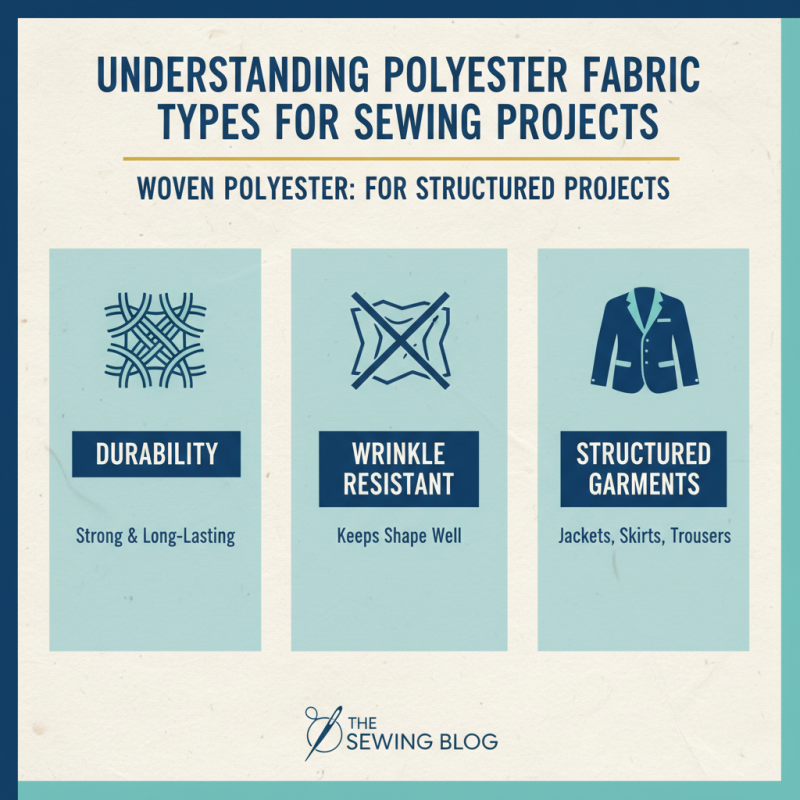
Understanding Polyester Fabric Types for Sewing Projects
When diving into sewing projects, understanding the types of polyester fabric is crucial. Polyester is versatile and widely used due to its durability and affordability. One popular type is woven polyester. This fabric is strong and resistant to wrinkles. It often holds its shape well, making it suitable for structured garments.
Another option is knitted polyester. This fabric is stretchy and comfortable, ideal for activewear and casual clothing. Knitted polyester drapes beautifully and provides movement, but it can be tricky to sew. The stretch can cause unwanted puckering, requiring careful handling.
Additionally, there are blends, combining polyester with other fibers. These blends can enhance breathability or softness, making them great for various applications. Each type has its strengths and challenges. New sewers may find it frustrating to choose the right polyester. Experimentation and practice can improve skills over time. Understanding fabric types will elevate your sewing projects to the next level.
Key Features of Best Sewing Polyester Fabrics
When selecting the best sewing polyester fabric, several key features stand out. Polyester is known for its durability. It withstands wear and tear, making it ideal for garments and home textiles. This fabric is also resistant to shrinking and stretching. It maintains its shape over time, ensuring your creations last. Additionally, polyester fabrics often have a smooth finish. This makes them easy to sew and provides a professional-looking result.
Colors and patterns play a significant role in fabric choice. Polyester comes in a wide array of shades and designs. Whether you prefer vibrant hues or subtle tones, there's something for everyone. It's also worth noting that some polyester fabrics are easy to dye. This gives you the flexibility to personalize your projects further.
Here are some tips for working with polyester fabric. Always use a universal needle for sewing. This prevents snagging and ensures smooth stitching. When pressing, use a low to medium heat. High temperatures can damage the fibers. Finally, consider pre-washing your fabric. This helps prevent any future shrinkage. While polyester is low-maintenance, taking these steps can help you achieve the best results.
Best Sewing Polyester Fabrics: Key Features
This chart represents the key features of the best sewing polyester fabrics, rated on a scale from 1 to 10. The features evaluated include durability, breathability, color retention, stretchability, and cost efficiency. These attributes are essential for global buyers in selecting high-quality fabrics suitable for their sewing needs.
Top Global Suppliers of Polyester Sewing Fabrics
The global demand for polyester sewing fabrics is rising steadily. Market reports indicate that polyester fabric accounted for over 60% of the total fabric consumption in 2022. This trend highlights the favor in which polyester is held due to its durability and versatility. It’s essential for suppliers to understand what drives this demand.
Leading suppliers are focusing on innovation and sustainability. Many manufacturers are now integrating recycled polyester into their production. This approach not only reduces waste but also caters to eco-conscious consumers. According to a recent industry analysis, the market for sustainable fabrics is projected to grow by 20% annually. However, not all suppliers are adapting at the same pace. Some are still reliant on conventional materials, which can hinder their competitiveness.
Identifying top global suppliers often involves examining their production capabilities and supply chain logistics. A reliable supplier should offer consistent quality and timely delivery. However, occasional challenges exist, such as fluctuations in raw material prices and sourcing issues. Suppliers need to actively address these concerns to remain viable in a competitive market. Staying informed about industry trends is crucial for making sound decisions.
Best Sewing Polyester Fabric for Global Buyers? - Top Global Suppliers of Polyester Sewing Fabrics
| Supplier Location |
Fabric Type |
Grams per Square Meter (GSM) |
Width (cm) |
Color Options |
MOQ (Minimum Order Quantity) |
| China |
Microfiber Polyester |
150 |
150 |
20+ |
500 meters |
| India |
Recycled Polyester |
120 |
160 |
10+ |
1000 meters |
| Turkey |
Stretch Polyester |
180 |
140 |
12+ |
300 meters |
| Vietnam |
Polyester Satin |
220 |
130 |
15+ |
400 meters |
| Bangladesh |
Textured Polyester |
160 |
150 |
8+ |
200 meters |
Comparing Prices: Polyester Fabrics Around the World
The global market for polyester fabrics has seen significant growth over recent years. A report by Grand View Research indicates that the polyester fabric market is expected to reach $170 billion by 2025. This rapid growth is influenced by the rising demand for sustainable and versatile textiles.
Price comparisons reveal intriguing differences across various regions. In Asia, polyester fabrics can range from $1.50 to $5.00 per yard. Meanwhile, European prices vary, generally laying between €3.00 to €7.00 per meter. Disparities can be attributed to production costs, shipping, and regional market demands. Understanding these costs helps buyers make informed decisions while considering factors like quality and availability.
While the affordability of polyester attracts buyers, there are concerns over sustainability. Polyester is derived from petroleum, raising questions about its environmental impact. Reports from the Textile Exchange emphasize the need for recycled options. As the industry moves forward, balancing affordability and ecological responsibility becomes essential.
Tips for Selecting the Right Polyester Fabric for Your Needs
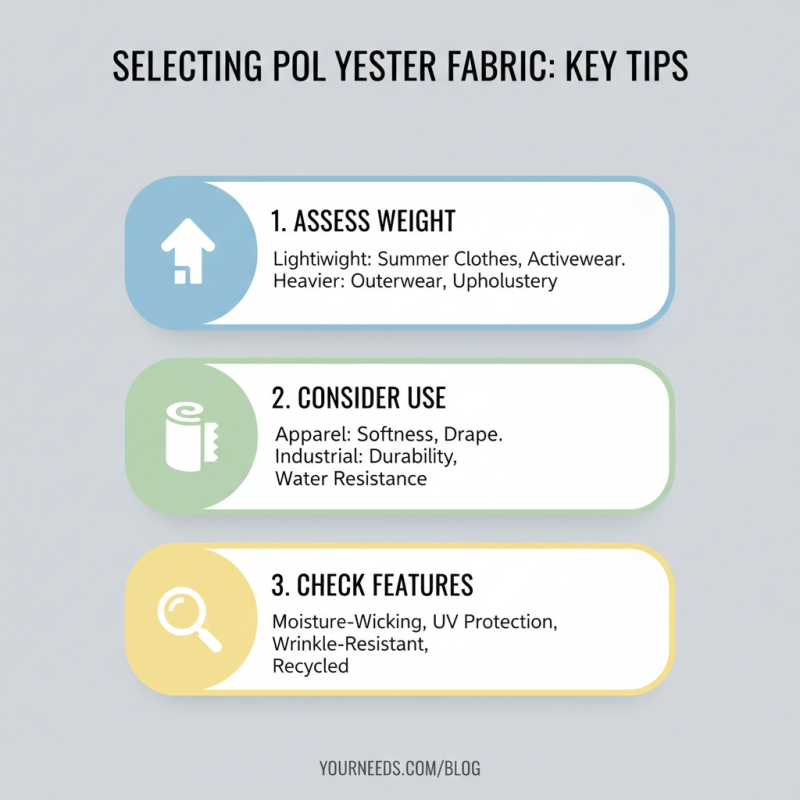
Choosing the right polyester fabric can be challenging. It’s essential to consider your specific needs before making a selection. Start by assessing the fabric's weight. Lightweight polyester is great for summer clothing, while heavier options work well for outerwear.
Consider the texture. Some polyester fabrics feel silky, while others are more textured. The finish matters too. A glossy finish can elevate formal wear, while a matte finish is suitable for everyday garments. It’s also vital to check the fabric’s breathability and moisture-wicking properties, especially if you plan to wear it during active situations.
Think about the fabric's durability. Polyester is known for its strength, but not all variations are created equal. Testing a sample can reveal how it behaves with washing and wear. Reflect on its environmental impact as well. While polyester is practical, consider the origin and sustainability practices behind the fabric’s production.