Best Silky Polyester Fabrics for Global Buyers?
In the dynamic world of textiles, Silky Polyester has emerged as a favored choice among global buyers. This fabric is known for its smooth texture and versatility. According to a recent report by the Textile Research Institute, the demand for silky polyester is projected to grow by 15% in the next five years. This growth highlights the increasing preference for fabrics that combine comfort and durability.
Expert Marcus Langley emphasizes, "Silky Polyester is redefining luxury in everyday wear." His perspective sheds light on the fabric's potential to blend high-end appeal with accessibility. The silky finish and vibrant colors have made it popular in fashion and home decor. Yet, the market faces challenges like eco-sustainability and production practices.
Buyers must be mindful of these issues. Companies are encouraged to seek suppliers who prioritize ethical sourcing. Understanding the trade-offs of using Silky Polyester can help buyers make informed decisions. As the global market evolves, maintaining quality and responsibility will be essential for sustained success in this sector.

Understanding Silky Polyester: Definition and Characteristics
Silky polyester is a synthetic fabric known for its smooth, lustrous finish. It mimics the feel of silk, making it a popular choice in fashion and home textiles. This fabric is composed of fine polyester fibers that are woven tightly. The result is a soft, glossy surface that drapes beautifully.
One of the key characteristics of silky polyester is its durability. Unlike natural silk, which can be delicate, silky polyester is more resistant to wear and tear. It maintains its appearance and does not fray easily. Additionally, it is often wrinkle-resistant, making it ideal for busy lifestyles. However, while its sheen is desirable, not all silky polyester fabrics are created equal. Some can feel less breathable compared to natural fibers.
Understanding the differences is crucial for global buyers. The weight and thickness can vary significantly, affecting the drape and feel of the fabric. It's important to test samples before making large purchases. With silky polyester, you have options, but the quality can impact your final product. Consider the feel, weight, and desired finish to ensure you choose the right fabric for your needs.
Applications of Silky Polyester Fabrics in Various Industries
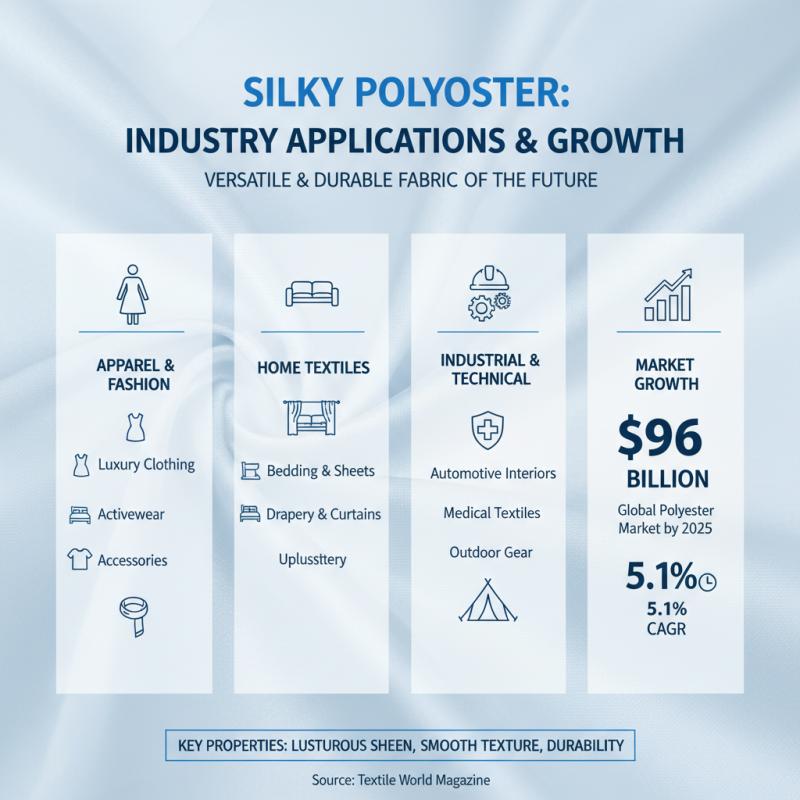
Silky polyester fabrics are increasingly popular in various industries due to their unique properties. These fabrics are known for their sheen and smooth texture, making them an excellent choice for apparel and home textiles. According to the Textile World magazine, the global polyester market is projected to reach $96 billion by 2025, reflecting an annual growth rate of 5.1%. This growth is largely driven by the demand for durable and versatile fabrics.
In the fashion industry, silky polyester is widely used for dresses, blouses, and linings. Its drape and comfort make it sought after for formal and casual wear. The home décor sector also utilizes this fabric for curtains and upholstery. A report from Allied Market Research indicates that the home textile market is expected to reach $150 billion by 2024. This highlights the role of silky polyester in creating luxurious yet functional spaces.
However, reliance on polyester presents challenges, such as environmental concerns. Production processes can be resource-intensive and contribute to pollution. While silky polyester fabrics offer aesthetic benefits, they pose questions about sustainability. Buyers and manufacturers need to weigh these factors carefully as they make choices influenced by both trends and ethical considerations.
Factors to Consider When Choosing Silky Polyester Fabrics
Choosing silky polyester fabrics requires careful consideration of multiple factors. One key aspect is fabric weight. Heavier fabrics tend to drape better, while lighter ones may feel softer. The 2021 Textile Industry Report indicates that fabrics weighing between 85-150 grams per square meter offer an ideal balance of durability and softness. Knowing the right weight allows buyers to select fabrics suited for diverse applications.
Another factor is the thread count. Higher thread counts often result in a smoother feel. According to research, a count above 200 can enhance softness and sheen. However, it’s essential to consider that extremely high thread counts may compromise breathability. This trade-off is crucial for garments meant for warmer climates.
Tips: Look for samples before making bulk purchases. Testing fabric against your standards can reveal its true quality. Check for colorfastness and shrinkage after washing. Additionally, consider the environmental impact. Sustainable manufacturing methods are becoming increasingly important for conscious buyers. Always validate sourcing claims as they can influence the overall quality and ethical standards.
Best Silky Polyester Fabrics for Global Buyers
| Fabric Type |
Weight (GSM) |
Texture |
Common Applications |
User Rating |
| Basic Silky Polyester |
90-120 |
Smooth |
Lingerie, Linings |
4.2/5 |
| Silky Polyester Satin |
120-160 |
Glossy |
Evening Dresses, Costumes |
4.5/5 |
| Brushed Silky Polyester |
150-200 |
Soft |
Sleepwear, Home Textiles |
4.3/5 |
| Lightweight Silky Polyester |
80-100 |
Featherlight |
Summer Clothing, Scarves |
4.0/5 |
| Stretch Silky Polyester |
120-140 |
Elastic |
Activewear, Dancewear |
4.4/5 |
Top Global Suppliers of Silky Polyester Fabrics
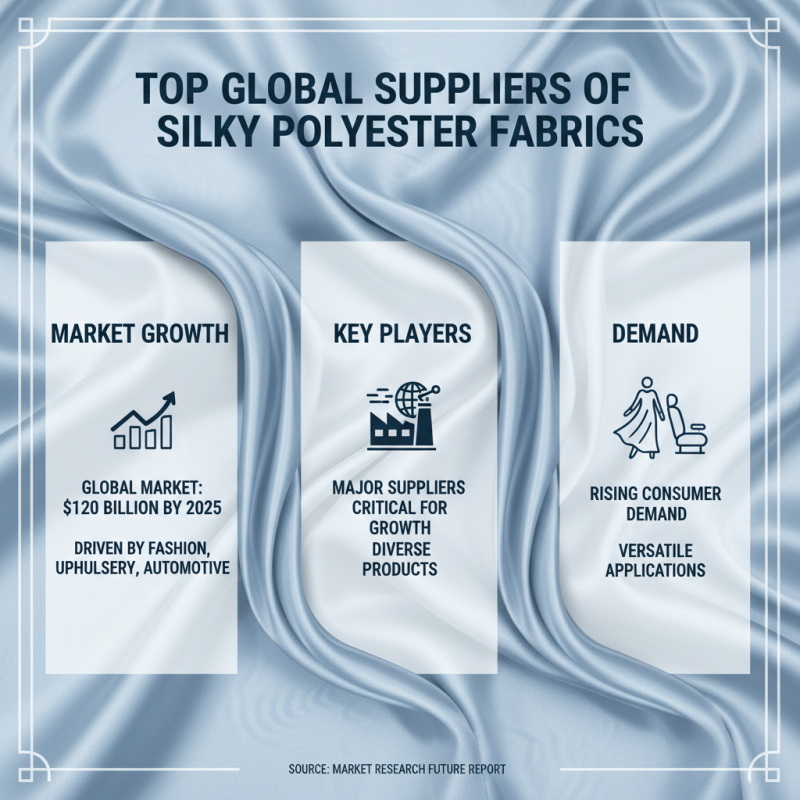
The global market for silky polyester fabrics continues to expand, driven by rising demand in the fashion, upholstery, and automotive sectors. According to a report by Market Research Future, the global polyester fabric market is projected to reach $120 billion by 2025. Major suppliers play a critical role in this growth, providing diverse products to meet customer needs.
When sourcing silky polyester fabrics, buyers should consider suppliers known for quality and consistency. Recent data shows that 70% of buyers prioritize fabric durability and softness. Suppliers from Asia dominate the market, providing cost-effective solutions and advanced technology. The shift towards sustainable practices in production is also important for modern suppliers. Ensuring transparency in the supply chain can foster trust.
Tips: Look for suppliers who share certifications like OEKO-TEX or GOTS. These indicate responsible sourcing and quality assurance. Buyers should also keep an eye on market trends. Emerging fabrics blended with recycled materials are gaining traction for their eco-friendly appeal. This awareness can help buyers make informed choices. Remember that while quality is essential, prices should also be competitive to maintain margins.
Sustainability and Innovations in Silk-like Polyester Production
The textile industry has seen significant innovations in silk-like polyester production. Manufacturers are increasingly adopting sustainable practices. These advancements often focus on reducing environmental impact while maintaining quality. Processes that recycle materials are becoming more prevalent. This shift is crucial for an industry that historically contributed to pollution.
Sustainability is not just a trend; it reflects a deeper commitment. Producers are exploring bio-based alternatives to conventional polyester. Some use plant-derived materials that mimic silk's luxurious feel. However, the process is complex and requires careful consideration. While these options are promising, their long-term impact on production and cost remains uncertain.
Innovation also involves improving the durability and functionality of fabrics. Many textiles are now designed to be lightweight yet strong. This balance can lead to greater usage in fashion and sportswear. However, challenges abound in achieving perfect consistency across batches. Buyers should remain vigilant about sourcing and quality control. The aim is not just to emulate silk but also to offer ethical choices.