2026 Best Tencel Polyester Fabrics for Sustainable Fashion?
The fashion industry is at a crucial turning point. Sustainable materials are no longer optional; they are essential for the environment. Tencel Polyester has emerged as a frontrunner in this movement. According to various reports, sustainable fashion could grow to a $300 billion market by 2025. This growth signifies the rising consumer demand for eco-friendly products.
Tencel Polyester combines the best of both worlds. Made from sustainable wood sources, it provides comfort and durability. Additionally, its production process uses less water than conventional fabrics. Despite these benefits, Tencel Polyester still faces criticism regarding disposal. Biodegradable advantages are sometimes overshadowed by challenges in recycling systems.
Industry experts suggest that brands must address these issues. It's essential to educate consumers on proper care and disposal of Tencel Polyester garments. Transparency in sourcing and production can elevate trust. Sustainable fashion is a journey, not a destination. The complexities of Tencel Polyester highlight the need for continual improvement in practices and consumer awareness.
Best Tencel Polyester Fabrics: Overview of Sustainable Options in 2026
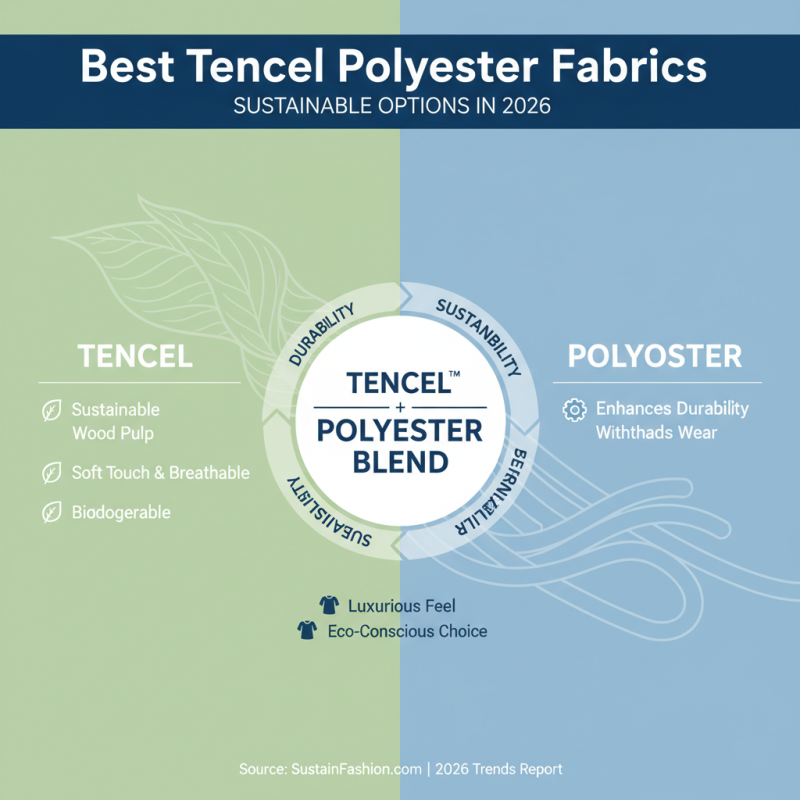
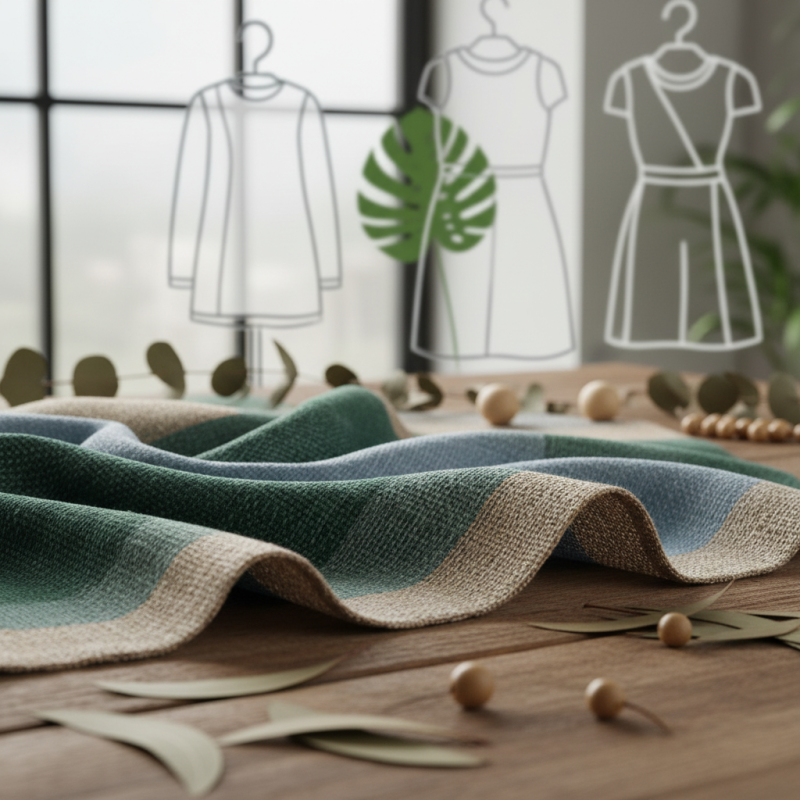
Tencel polyester fabrics are gaining attention in the sustainable fashion industry. Made from sustainably sourced wood pulp, these fabrics offer a soft touch and breathability. They are biodegradable, appealing to eco-conscious consumers. The blend of Tencel with polyester enhances durability. This combination helps garments withstand wear while maintaining their luxurious feel.
In 2026, many designers focus on this blend for their collections. It creates versatile pieces suitable for various occasions. However, sourcing practices can vary among manufacturers. Not all Tencel fabrics are made equally, and some may not adhere to strict sustainability guidelines. Consumers should remain vigilant and seek transparency in sourcing.
Despite its benefits, Tencel polyester is not perfect. Some processes can still harm the environment. This raises important questions about certification and accountability. The industry must continue to refine techniques to ensure minimal impact. As awareness grows, accountability will likely improve. This evolution can lead to even better options in sustainable fashion.
Benefits of Tencel Polyester Blends in Eco-Friendly Fashion Industry
Tencel polyester blends are gaining traction in the sustainable fashion industry. These fabrics combine the softness of Tencel with the durability of polyester. This balance creates an ideal textile for eco-conscious consumers. Tencel, made from sustainably sourced wood pulp, is biodegradable. It uses less water during production than conventional fibers. This is an essential factor in today’s water-scarce world.
The integration of polyester enhances the fabric’s strength. It resists wrinkles and maintains shape over time. This longevity reduces the need for frequent replacements, a significant win for sustainable practices. However, not all polyester is created equal. The environmental impact varies based on recycling methods and sourcing. The choice of using recycled polyester can further minimize ecological footprints. Knowing this distinction is crucial for consumers aiming for a greener wardrobe.
Incorporating Tencel-polyester blends into fashion collections creates unique textures. Designers appreciate the versatility these fabrics offer. They drape beautifully and feel luxurious against the skin. Yet, challenges remain in ensuring that all involved processes align with sustainability principles. Transparency in sourcing and manufacturing is essential. Consumers should demand clarity on the processes behind their clothing. This awareness can lead to better choices.
Key Metrics: Environmental Impact of Tencel vs. Traditional Fabrics
The environmental impact of Tencel fabrics compared to traditional textiles is striking.
Tencel, made from sustainably sourced wood pulp, uses a closed-loop production process.
This method recycles water and solvents, reducing waste significantly. According to the
Higg Materials Sustainability Index, Tencel has a lower environmental footprint than cotton and polyester.
It consumes about 80% less water.
In contrast, traditional fabrics like cotton often involve heavy pesticide use.
Reports show that cotton cultivation accounts for 20% of global pesticide consumption.
Additionally, polyester, derived from petroleum, contributes to higher greenhouse gas emissions
throughout its lifecycle. A study in Environmental Science & Technology indicates that
Tencel generates 50% fewer carbon emissions than conventional polyester.
While Tencel presents numerous advantages, challenges persist. The cost of production remains
higher than that of mass-produced fabrics. Furthermore, sourcing wood sustainably
can be problematic in regions lacking regulations. Companies must navigate these hurdles to maximize
Tencel's benefits. Balancing reliability and environmental responsibility
is crucial for the future of sustainable fashion.
Market Trends: Growth of Tencel Polyester in Sustainable Fashion Sector
The sustainable fashion sector is witnessing significant growth, particularly with the rise of Tencel polyester fabrics. Market research indicates that the global market for Tencel fibers is expected to reach approximately $1 billion by 2026. This growth reflects a shift towards eco-friendly materials that appeal to conscious consumers. The blend of Tencel and polyester combines the comfort of natural fibers with the durability of synthetics.
Manufacturers are responding to consumer demand for sustainable options. Data from industry reports indicate that over 60% of consumers prioritize sustainability in their purchasing decisions. Companies are increasingly looking for ways to reduce their carbon footprint. The integration of Tencel, made from responsibly harvested wood pulp, in polyester blends showcases a growing trend toward transparency in sourcing. However, challenges remain. Education about fabric care and recycling is vital for true sustainability.
While Tencel polyester offers promising benefits, issues like overproduction and waste still need addressing. As the market expands, brands must ensure that their eco-friendly claims are backed by reliable practices. Industry analysts emphasize the importance of balancing innovation with genuine sustainability efforts. The shift towards Tencel polyester reflects both an opportunity and a responsibility within the sustainable fashion landscape.
2026 Best Tencel Polyester Fabrics for Sustainable Fashion
| Fabric Type |
Sustainability Score (out of 10) |
Composition (%) |
Market Growth Rate (2023-2026) |
| Tencel Polyester Blend |
8.5 |
70% Tencel, 30% Polyester |
12% |
| Recycled Tencel |
9.0 |
100% Recycled Tencel |
15% |
| Tencel Cotton Blend |
8.0 |
60% Tencel, 40% Cotton |
10% |
| Tencel Spandex Blend |
7.5 |
85% Tencel, 15% Spandex |
9% |
Leading Brands: Who’s Pioneering Tencel Polyester in 2026 Fashion?
As we approach 2026, the integration of Tencel and polyester fabrics in sustainable fashion is making strides. Reports indicate that Tencel, derived from sustainable wood sources, plays a crucial role in reducing environmental impact. In fact, the Global Fashion Agenda's 2022 report highlights a 30% increase in brands prioritizing sustainable fabrics, including Tencel blends.
The spotlight is on brands that embrace Tencel polyester. Many are experimenting with innovative blends, demonstrating creative adaptability. A 2023 market study revealed that nearly 40% of consumers prefer sustainable materials over conventional options. This shift propels designers to explore the potential of Tencel polyester. However, challenges persist. Sourcing issues and production costs can hinder wider adoption. Many brands express concern over maintaining cost-effectiveness while pursuing sustainability.
Moreover, transparency remains a pressing issue. Consumers demand clarity about sourcing and manufacturing processes. A 2021 survey found that 65% of shoppers seek information on fabric origins. Brands committed to Tencel polyester must navigate these expectations. They need to create a narrative that resonates with eco-conscious consumers. Addressing these challenges reflects a broader trend towards accountability in fashion, but the journey is far from perfect.