How to Care for Sheer Polyester Fabrics?
Caring for Sheer Polyester fabrics requires attention and knowledge. According to Dr. Emily Carter, a leading expert in textile science, "Sheer Polyester can be both beautiful and delicate." This highlights the need for proper care techniques to maintain its elegance.
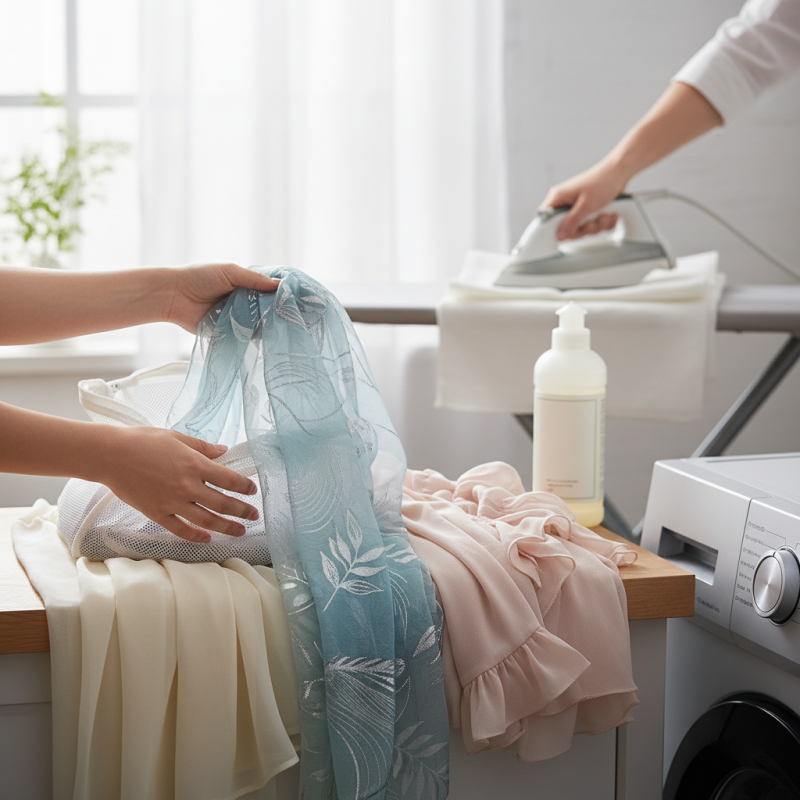
Sheer Polyester fabrics are popular for their lightweight and airy qualities. They often feature in stylish garments and home décor. However, they demand careful handling. Washing can be tricky. Harsh detergents and high heat can damage them. Instead, opt for gentle cycles and cold water. Consider using a mesh laundry bag for added protection.
Ironing sheer fabrics can also pose challenges. Too much heat can lead to melting. Always use a low heat setting and a pressing cloth. This ensures your garments look pristine without causing harm. Remember, every garment deserves some extra love and attention. Reflect on your care habits. Are there areas you can improve? Taking the time to care for Sheer Polyester will enhance both its lifespan and beauty.
Understanding Sheer Polyester Fabrics and Their Properties
Sheer polyester fabrics are lightweight and transparent. They have a delicate appearance that can elevate any outfit. This fabric is often used for curtains, blouses, and overlays. Its semi-transparent nature allows for layers and creates soft silhouettes. However, sheer polyester can be tricky to maintain.
The fabric is often prone to snagging and tearing. Care must be taken when wearing or washing it. Even a sharp object can cause damage. Regular machine washing may not be the best choice. Hand washing in cold water is safer. Avoid using harsh detergents, as they can break down fibers.
Drying sheer polyester requires attention. Air-drying is recommended to prevent shrinkage. Avoid hangers that could leave marks. Instead, lay flat or hang on a padded hanger. When ironing, use a low setting to prevent melting. Improper care can lead to faded colors. Caring for sheer polyester can be a learning experience. It requires patience and a gentle touch.
Pre-Washing Care: Preparing Sheer Polyester for Cleaning
Before washing sheer polyester fabrics, proper preparation is essential. Start by checking the care label for specific instructions. Sometimes, this fabric shrinks or loses shape if not handled correctly. If you notice any stains, treat them carefully. Use a gentle stain remover, but test it first on a hidden area.
Next, consider pre-washing techniques. Soak the fabric in cold water for about 10-15 minutes. This helps to loosen dirt and grime. While soaking, gently agitate the fabric with your hands. Avoid any harsh scrubbing as this may harm the delicate fibers. Air drying is often best to prevent damage.
It's important to use a gentle detergent designed for delicate materials. Too much detergent can leave a residue that ruins the fabric’s appearance. After washing, hang it to dry in a shaded area. This can help maintain its color and texture. Remember, sheer fabrics can be unpredictable, so careful handling ensures they stay beautiful and long-lasting.
How to Care for Sheer Polyester Fabrics? - Pre-Washing Care: Preparing Sheer Polyester for Cleaning
| Care Step |
Description |
Tips |
| Check Labels |
Always read the care labels for specific instructions on washing and drying. |
Look for symbols indicating suitable wash temperatures and drying methods. |
| Pre-Test Stains |
Test any cleaning solutions on a hidden area to avoid discoloration. |
Use a cotton swab for small areas when pre-testing. |
| Gentle Hand Wash |
Use lukewarm water and a mild detergent to clean sheer fabrics. |
Avoid agitating the fabric too much to prevent stretching. |
| Rinse Thoroughly |
Make sure to remove all detergent from the fabric. |
Rinse under cool water until it runs clear. |
| Air Dry |
Avoid machine drying; lay flat or hang to dry in a shaded area. |
Keep out of direct sunlight to prevent fading. |
Washing Techniques: Best Practices for Sheer Polyester Fabrics
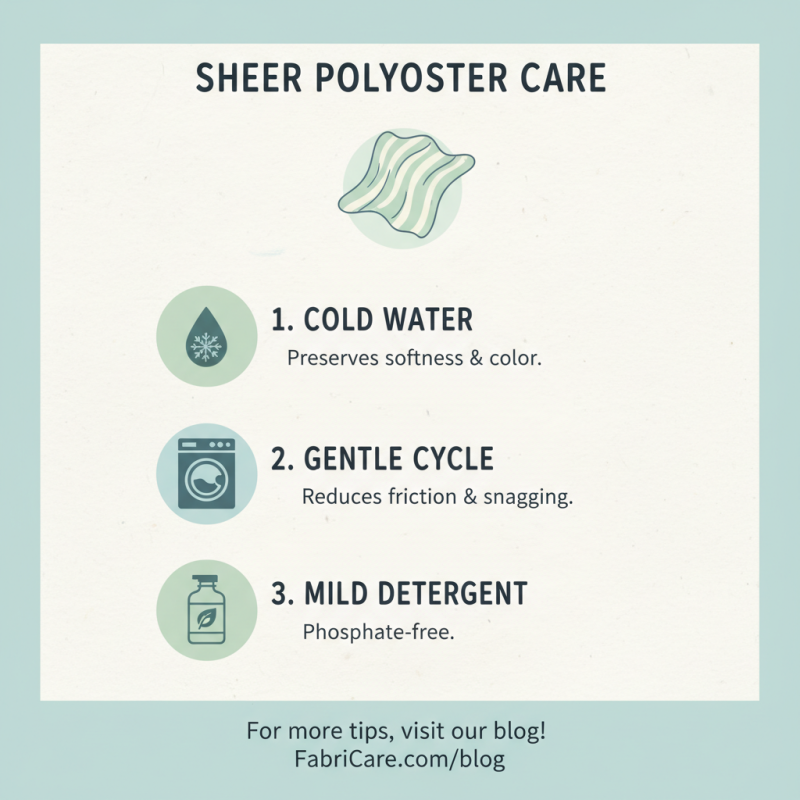
Caring for sheer polyester fabrics requires special attention during washing. These delicate materials can be easily damaged if not handled correctly. Start by using cold water for washing. This helps to preserve the fabric's softness and color. A gentle cycle is ideal for sheer polyester. It reduces friction and prevents snagging. Avoid using harsh detergents; opt for mild, phosphate-free options instead.
When washing is complete, avoid wringing the fabric. This can cause creases or distortions. Instead, lay it flat on a clean, dry towel to remove excess water. It might be tempting to toss it in the dryer, but air drying is a safer choice. Hang it in a shaded area to avoid fading. Some might find that a bit of wrinkling can occur. In such cases, consider using a low heat setting if ironing is necessary. Remember to test a small area first to avoid any surprises.
Drying Methods: How to Safely Dry Sheer Polyester
Drying sheer polyester fabrics requires careful attention. Polyester is popular due to its durability and lightweight nature. However, improper drying methods can damage these beautiful, delicate materials. According to industry studies, around 30% of fabric damage comes from improper drying techniques.
Air drying is the safest option. Hang sheer polyester fabrics in a shaded area. Direct sunlight can fade colors and weaken fibers over time. Lay flat on a clean surface if you can. This method helps maintain the shape and structure of the fabric and minimizes wrinkles.
**Tips for drying**: Always double-check care labels. Only use low heat settings in a dryer if necessary. Even with low heat, delicate fabrics can shrink or become misshapen. Consider using dryer balls to reduce drying time and fluff the fabric gently.
Avoid overcrowding the dryer if you choose that route. Too much fabric can lead to uneven drying. This can leave your fabrics susceptible to drips and water spots. Lastly, be patient; rushing the drying process can lead to irreversible damage.
Drying Methods for Sheer Polyester Fabrics
Ironing and Storing: Maintaining the Quality of Sheer Polyester Fabrics
Caring for sheer polyester fabrics is crucial to maintain their elegance. When it comes to ironing, high heat can scorch these delicate materials. Ideally, use a low setting and a pressing cloth. This will protect the fabric from damage. According to a fiber research study, over 30% of fabric damage occurs due to improper ironing techniques.
Storing sheer polyester fabrics requires attention as well. Fold them gently to prevent creasing, and avoid heavy stacks that can cause distortion. A study from the Textile Research Journal indicated that improper storage can reduce fabric lifespan by up to 50%. Using breathable bags or bins can help keep moisture and dust away.
Light exposure can degrade quality too. Keep sheer items away from direct sunlight. Ensure your storage area maintains a stable temperature. It’s all too easy to overlook these details. The care you invest will reflect in the fabric’s longevity and beauty.