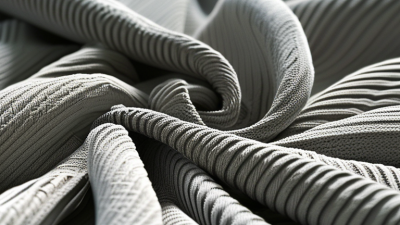
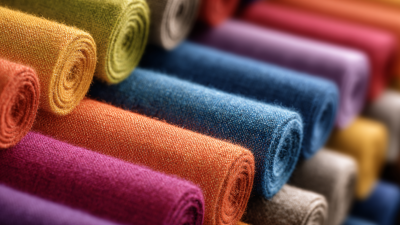
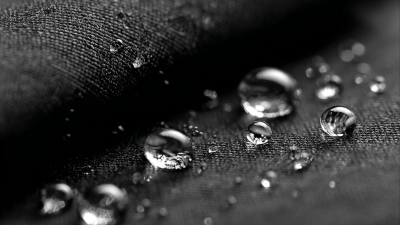
Polyester Terry Fabric is valued for its looped surface, quick-drying potential, and practical durability. It appears in towels, bathrobes, cleaning cloths, and selected apparel. Yet the name alone tells buyers very little. Fiber composition, fabric weight, loop height, width, and finishing choices all affect the final product. A useful supplier discussion starts with the intended use, not a broad promise of quality.
China has a large textile manufacturing base, but the best partner depends on a buyer’s specifications and order needs. Ask for a fabric sample, a clear technical sheet, and details about color consistency, shrinkage, and production capacity. Review how the supplier checks incoming yarn, monitors dyeing, and inspects finished rolls. These steps do not guarantee a perfect shipment. They do make expectations easier to verify. Small details matter: a tape measure beside a sample, even loops across the surface, and labels that match the agreed weight and width.
There is no single fabric for every application. A soft hand feel may not suit heavy-duty cleaning, while a dense pile can affect drying time. That trade-off deserves attention. This guide explores how to compare Polyester Terry Fabric manufacturers and suppliers in China, assess samples, and ask practical questions before placing an order. A careful comparison takes time. It can prevent avoidable surprises later.
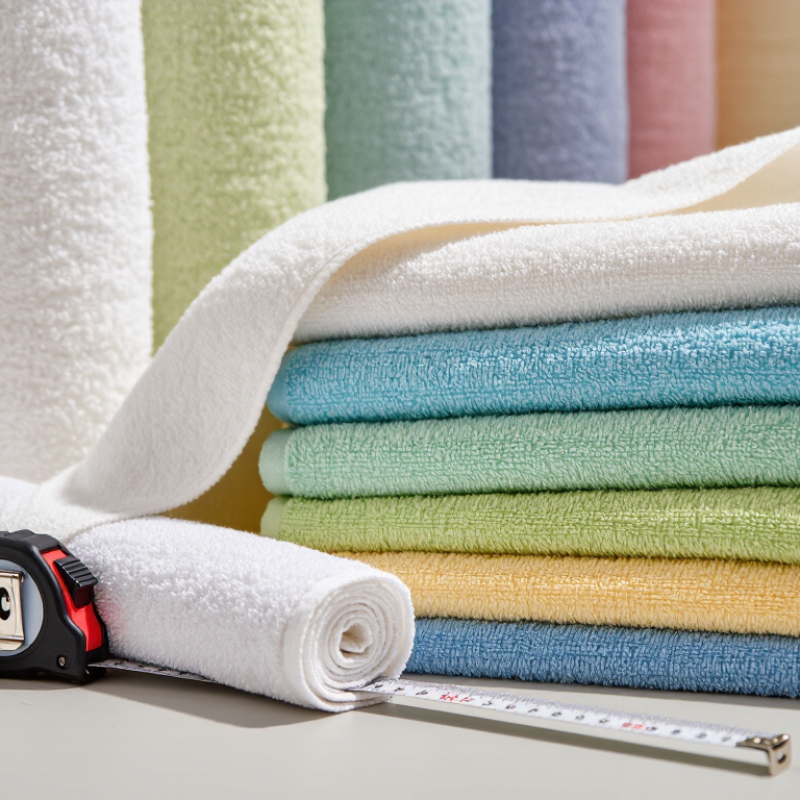
Polyester terry fabric is a textile with raised loops that create a soft, textured surface. The loops may appear on one or both sides, depending on the construction. Manufacturers commonly use polyester yarns because they are durable, lightweight, and quick to dry. Feel the surface: well-formed loops should look even and resist flattening during ordinary handling.
Polyester’s moisture behavior sets it apart from cotton. It absorbs relatively little water into the fiber itself, so moisture can move across the fabric and evaporate quickly when the structure allows. Loop height, fabric weight, yarn type, and finishing all affect performance. A dense towel-like fabric may feel plush, but it can take longer to dry than a lighter construction. There is no single specification for every use.
The wider fiber market offers useful context, though it does not measure terry fabric specifically. Textile Exchange’s Materials Market Report 2024 estimates that global fiber production reached about 124 million tonnes in 2023, with polyester accounting for roughly 57 percent. These figures show polyester’s broad industrial scale, not the quality of any individual fabric. For buyers, checking loop density, fabric weight, shrinkage, and wash-test results is more practical than relying on fiber content alone. A small sample can reveal issues that a specification sheet misses.

Polyester terry fabric is a textile with looped pile that gives it a soft, textured surface. The chart compares the typical moisture regain of common fibers—a measure of moisture absorbed from the air, not a direct measure of finished-fabric absorbency.
Approximate conventional moisture regain values: polyester 0.4%, nylon 4.5%, cotton 8.5%, and wool 16%. Actual fabric performance varies with construction and finishing.
Polyester terry fabric is defined by its loop structure, yarn choice, and fabric weight. Ground warp and weft stabilize woven terry. Pile yarns form loops on one or both faces. Knitted terry uses a loop-forming knit structure instead. Loop height, density, and yarn fineness affect softness, surface feel, and drying time. Small loops feel firmer. Longer loops can feel plusher, but may snag more easily and retain more water. Polyester’s low moisture regain often supports faster drying than cotton, though it does not guarantee strong water uptake. Finishes and blends matter.
Textile Exchange’s Materials Market Report 2024 estimates global fiber production reached 124 million tonnes in 2023, with polyester accounting for about 57 percent. These are market-wide figures, not a terry-fabric performance test. For a specific fabric, compare weight in grams per square metre, pile height, yarn specification, shrinkage, and pilling results. Request samples and test them after laundering. A higher fabric weight is not automatically better; it may feel substantial but dry more slowly. Even small changes in loop density can alter the hand feel. That detail is easy to overlook.
China Best Polyester Terry Fabric Manufacturer and Supplier
How Polyester Terry Fabric Is Manufactured
Polyester terry starts with polyethylene terephthalate (PET) chips. The chips are dried, melted, and pushed through tiny spinneret holes to form filaments. These filaments are cooled and drawn to improve strength. Depending on the product, they may be cut into staple fibers or used as continuous yarn. Textile Exchange’s Materials Market Report 2024 estimates polyester made up 57% of global fiber production in 2023, showing its major role in textile manufacturing.
The yarn is knitted or woven to create a stable base and raised loops. In knitted terry, machine needles and sinkers form looped pile; in woven terry, extra warp yarns create the loops. Loop height and density affect softness, weight, and drying behavior. Small differences matter. Dyeing usually uses disperse dyes, followed by rinsing and controlled drying. Heat setting helps stabilize dimensions, while shearing or brushing can adjust the surface.
Quality checks should measure fabric weight, width, loop consistency, colorfastness, and dimensional change after washing. Polyester absorbs less moisture into the fiber than cotton, so terry performance depends partly on loop structure and any applied finish. A soft hand is not proof of strong absorbency. Uneven loops can also appear after finishing, and they deserve investigation rather than quick dismissal.
Polyester terry fabric is valued for its raised loops, soft hand, and quick-drying behavior. Its performance depends on yarn, pile density, fabric weight, and finishing. For home use, it appears in bathrobes, towels, slippers, and reusable cleaning cloths. The looped surface feels cushioned against skin and can hold moisture, though absorbency varies by construction. A low-pile cloth may wipe counters neatly; denser pile can feel warmer in robes.
Small details matter. In industrial settings, polyester terry is used for equipment wiping, protective covers, and selected automotive interior components. Workshops may choose it for a soft surface that handles repeated contact, while maintenance teams often look for stable dimensions and manageable lint. The right choice depends on the task. A cloth used around delicate finishes needs different pile height and edge construction from one used for routine workshop cleaning.
Buyers should compare fabric weight, loop consistency, colorfastness, and abrasion results before ordering. Ask for a sample and test it after washing or repeated use. Not every finish lasts. Softness alone is a poor measure of service life, and a fabric that performs well in one setting may disappoint in another.
Choosing a China-based polyester terry fabric manufacturer and supplier starts with the fabric’s intended use. Towels, robes, and cleaning cloths need different pile heights, weights, absorbency, and backing stability. Ask for the fiber blend, GSM range, usable width, colorfastness results, and shrinkage data in writing. Specific answers matter. A sample should feel consistent after washing, not only look neat under showroom lights.
Review production capability beyond a polished catalog. Request recent production photos or a live video walkthrough, and ask how yarn lots, dye batches, and defects are tracked. Confirm minimum order quantity, sample and bulk lead times, packaging, and inspection steps before paying a deposit. Compare quotations line by line; a low price may exclude finishing or freight. Specifications can drift when details stay in chat messages, so keep an approved specification sheet. Even careful buyers can miss a detail.
Tips: Wash a sample several times and record changes in feel, dimensions, color, and lint. Ask about a small pilot order if practical. Check whether the supplier can explain a failed test and suggest a measurable correction. No supplier is perfect. Clear records make problems easier to discuss.
Use this checklist to compare suppliers. Fabric specifications, commercial terms, and acceptance limits should be agreed in writing; there is no single specification that suits every polyester terry application.
| Evaluation dimension | What to specify or check | How to verify | Useful questions for the supplier |
|---|---|---|---|
| Fiber composition | State the required fiber content and whether the fabric is 100% polyester or a specified blend. | Check the product specification and, when required, request a composition test report for the supplied lot. | Can you document the composition of the sample and bulk production? |
| Fabric construction and pile | Define terry construction, pile appearance, surface feel, and any cut or uncut pile requirements using an approved sample. | Compare a signed or otherwise controlled reference sample with pre-production and bulk fabric. | How do you control pile consistency and surface defects across a production lot? |
| Weight and usable width | Set target fabric mass in g/m² and usable width in centimetres, including agreed tolerances. | Request measured results from samples or inspection records, with the measurement method and sampling plan identified. | Are weight and width checked during production and recorded by lot? |
| Color and colorfastness | Approve a color standard and define required performance for washing, rubbing, or other end-use conditions. | Request test results against agreed methods, such as ISO 105-C06 for washing or ISO 105-X12 for rubbing. | Which test methods and acceptance ratings will apply to the order? |
| Shrinkage and dimensional stability | Agree permitted dimensional change after the intended care or processing conditions; requirements depend on the finished product. | Test using a method and laundering or processing conditions agreed before production. | Can you test the fabric under the care conditions specified for our product? |
| Chemical and product-safety requirements | Identify destination-market regulations, restricted-substance requirements, and any customer-specific limits that apply. | Review current, relevant test reports and verify their scope, tested material, date, and issuing laboratory. | Which requirements can you support, and what documentation is available for this fabric? |
| Quality controls and traceability | Confirm inspection stages, defect classification, lot identification, and the process for handling nonconforming goods. | Review sample inspection records, quality procedures, and a written corrective-action process. | How can a delivered roll be traced to its production lot and inspection records? |
| Production capability | Confirm the supplier can make the requested construction, finish, color, width, and order quantity. | Request a representative sample and written confirmation of the production route and capacity for the specific order. | Which production steps are performed in-house, and which are subcontracted? |
| MOQ, lead time, and pricing | Obtain a written quotation covering minimum order quantity, sample and bulk lead times, price basis, payment terms, and quote validity. | Compare like-for-like specifications and confirm whether shipping, duties, testing, and packaging are included or excluded. | What assumptions affect the quotation, and when does the production schedule begin? |
| Samples and order approval | Separate development samples, lab dips or color approvals, and pre-production samples from bulk production. | Record written approval of the sample and final specification before authorizing bulk production. | Will bulk fabric be checked against the approved reference, and how are deviations handled? |
| Packaging and shipment | Specify roll length, protective wrapping, labels, carton or pallet requirements, shipping marks, and delivery terms. | Check the packing list and shipment documents against the purchase order before dispatch. | How will rolls be protected from moisture, dirt, and transit damage? |