2025 How to Choose the Best Rib Polyester for Your Next Project
When embarking on your next sewing or crafting project, the choice of fabric can significantly influence the outcome and functionality of the final product. One material that has gained traction for its versatility and performance is rib polyester. As we look ahead to 2025, understanding how to select the best rib polyester for your specific needs becomes essential, not only to ensure durability but also to enhance the aesthetic appeal of your creations.
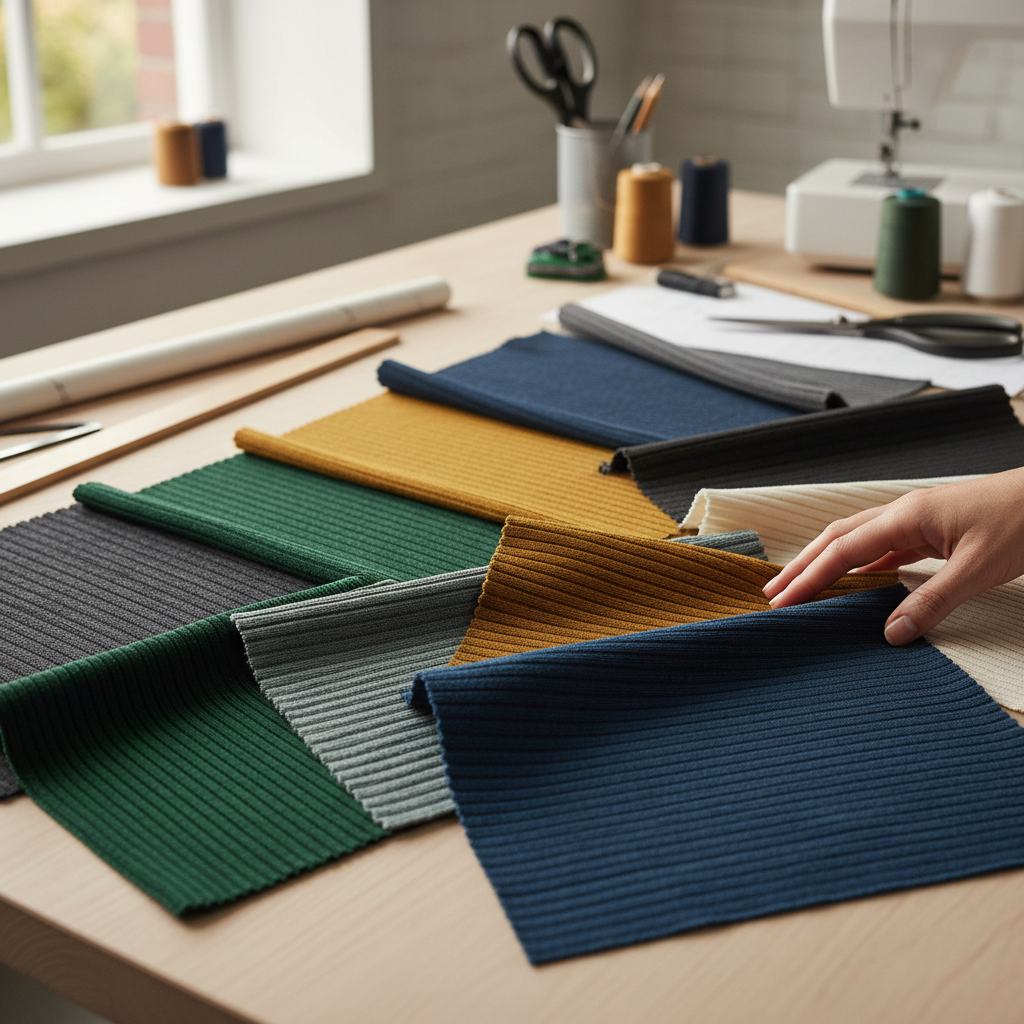
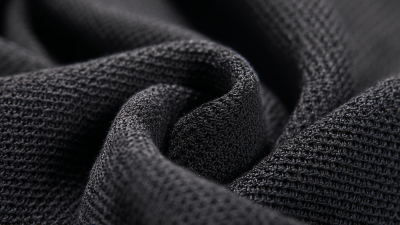
Rib polyester stands out for its unique texture and stretch, making it ideal for a variety of applications, from comfortable apparel to innovative crafts. Choosing the right type involves considering factors such as thickness, weave, and intended use.
With the right guidance, you can navigate the myriad of options available in the market and select rib polyester that aligns with your project’s requirements, ensuring that your end result is both practical and stylish.
In this guide, we’ll explore the key characteristics of rib polyester, provide tips on evaluating quality, and highlight the best practices for selecting the perfect rib polyester fabric for your next creative endeavor. Whether you are an experienced seamstress or a hobbyist, by the end of this article, you’ll be equipped with the knowledge to make informed decisions and elevate your projects to new heights.
Key Factors to Consider When Selecting Rib Polyester for Projects
When selecting rib polyester for your next project, it is crucial to consider several key factors that can significantly impact the final result. First and foremost, the weight and thickness of the rib polyester are essential. Heavier weights tend to provide more durability and structure, making them suitable for applications like outerwear or structured garments. In contrast, lighter rib polyester may be more appropriate for casual wear or layering pieces, allowing for breathability and comfort.
Another critical aspect is the stretch and recovery of the fabric. Ribbed polyester usually features elasticity, which is vital for items such as activewear or fitted clothing. When evaluating stretch, consider the percentage of spandex blended with polyester; a higher spandex content generally enhances comfort and movement. Additionally, pay attention to the fabric's texture and feel, as this will affect the overall aesthetic and functionality of your project. Choosing the right rib polyester involves balancing these factors to achieve the desired look and performance for your specific application.
2025 How to Choose the Best Rib Polyester for Your Next Project - Key Factors to Consider When Selecting Rib Polyester for Projects
| Dimension |
Parameter |
Considerations |
| Weight |
200-300 GSM |
Heavier fabric for durability vs. lighter for breathability |
| Stretch |
20-50% |
Choose a higher percentage for activewear |
| Texture |
Smooth or textured |
Consider tactile experience for the end user |
| Color Fastness |
8-10 (AATCC) |
High resistance to fading after washes |
| Breathability |
Moisture-wicking properties |
Important for sports and activewear |
| Environmental Impact |
Recycled vs. virgin polyester |
Consider sustainability in your selection |
Understanding Different Types of Rib Polyester and Their Uses
When selecting rib polyester for your next project, it is essential to understand the various types available and their specific applications. Rib polyester fabric is known for its elasticity, durability, and versatility, making it ideal for a range of uses. The most common types include single rib and double rib polyester. Single rib is typically lighter and offers a subtle texture, making it suitable for lightweight clothing, such as t-shirts and athletic wear. In contrast, double rib polyester features a thicker, more pronounced texture, providing extra warmth and support, which makes it a preferred choice for sweaters and outerwear.
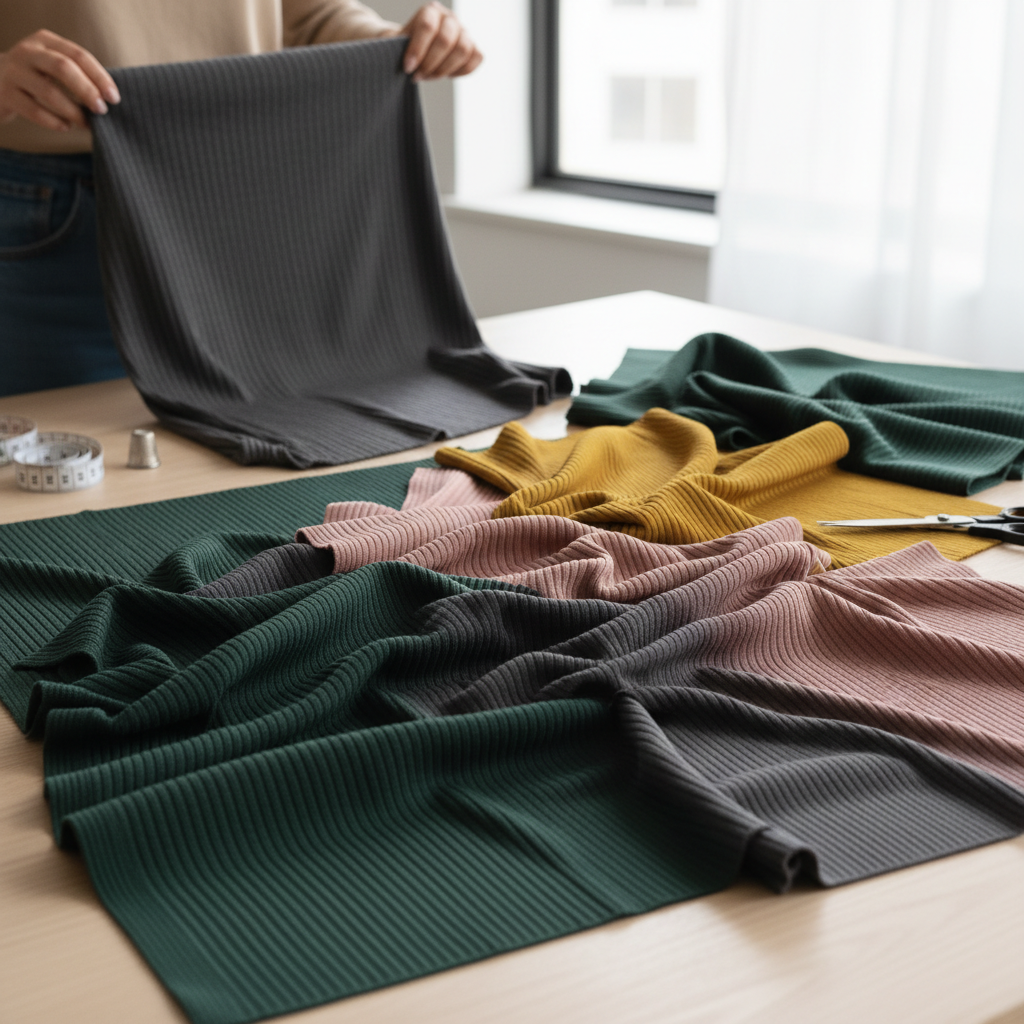
In addition to the rib structure, one should consider the weight and stretch of the fabric. Lightweight rib polyester is excellent for layering and activewear, while heavier varieties provide structure and warmth, perfect for colder climates. Furthermore, the stretch capability of the fabric affects how it drapes and moves with the body. By examining these factors, you can select the rib polyester that not only meets the aesthetic demands of your project but also offers the functional qualities required for longevity and comfort.
Tips for Evaluating the Quality of Rib Polyester Fabrics
When evaluating the quality of rib polyester fabrics for your next project,
several key factors should be considered to ensure you choose the best material.
First, examine the fabric's weight and thickness.
A higher GSM (grams per square meter) often indicates a more durable fabric, which is important for items
that will undergo regular wear and tear. If you're looking for a fabric that drapes well, a lighter-weight rib polyester might be suitable,
but ensure it maintains structural integrity.
Next, pay attention to the texture and finish of the rib polyester.
The surface should feel smooth and consistent; any irregularities
can be a sign of poor manufacturing quality. Additionally, check if the fabric has been treated for
colorfastness and stain resistance, which can enhance both the look
and longevity of your project. Lastly, consider the stretch and recovery of the fabric;
a good rib polyester should have enough elasticity to retain its shape while providing comfort
during wear, making it ideal for clothing and activewear.
Color, Texture, and Weight: Choosing the Right Rib Polyester
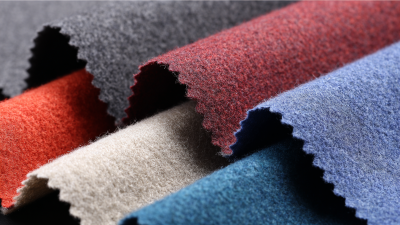
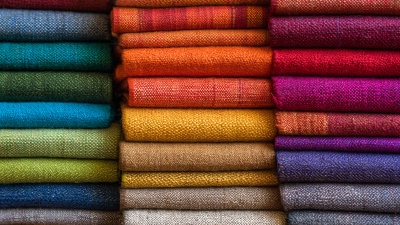
When selecting rib polyester for your next project, consider the essential factors of color, texture, and weight to ensure the fabric meets your design needs. Color is one of the first attributes to catch the eye and can set the mood of your project. Opt for hues that align with the theme or purpose of your item, whether vibrant tones for an energetic ambiance or muted shades for a more sophisticated look. Additionally, consider the fabric's dyeing process, as this affects colorfastness and overall appearance after washing.
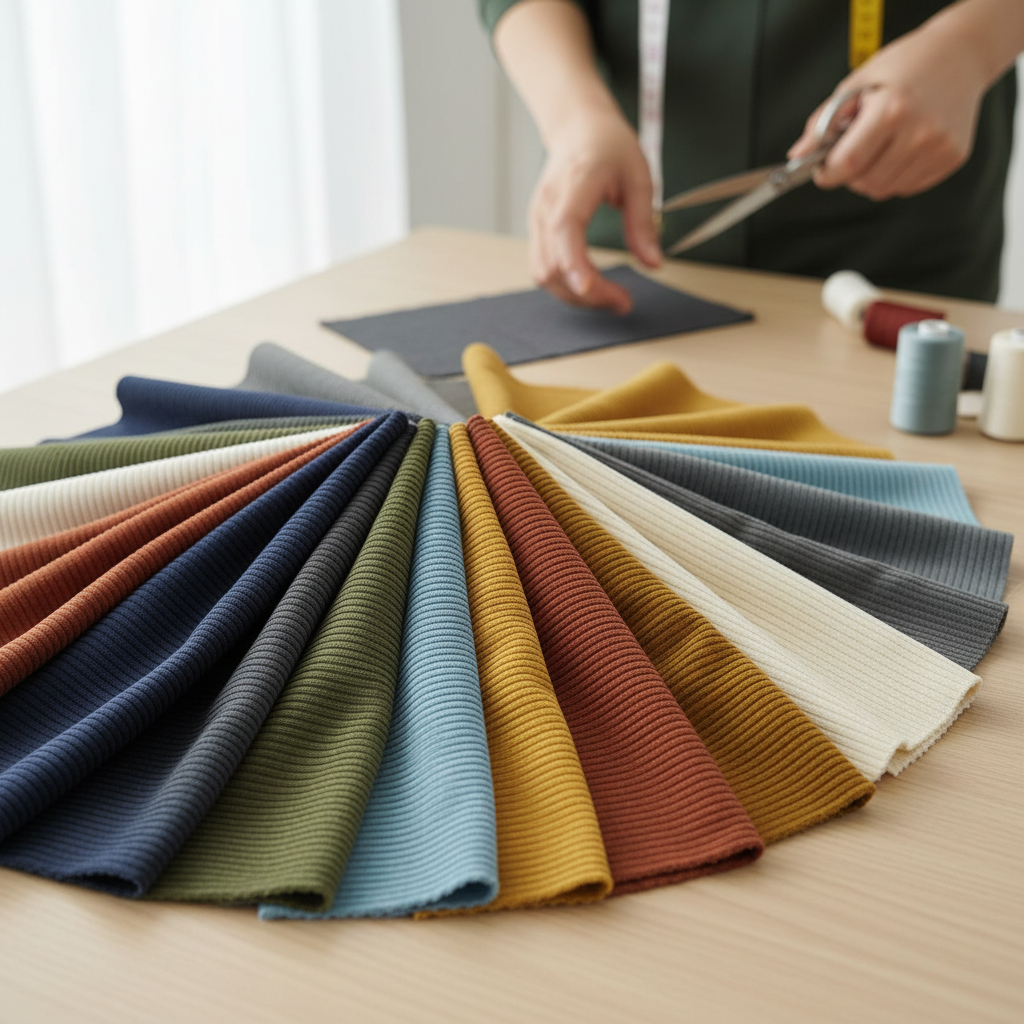
Texture plays a crucial role in the tactile experience of the rib polyester. This fabric can range from smooth to more pronounced ribbing, which impacts not just the look but also the drape and feel against the skin. For garments, prioritize comfort while keeping in mind the desired aesthetic—sleek finishes may lend themselves better to formal wear, while more textured options can enhance casual or sporty designs. Lastly, the weight of the polyester will influence the structure and durability of your project. Lighter weights are ideal for layering and breathability, while heavier options provide warmth and more substantial drape, making your choice crucial based on the intended use of the fabric.
Common Mistakes to Avoid When Buying Rib Polyester for Projects
When selecting rib polyester for your next project, it's crucial to avoid common pitfalls that can compromise the overall quality and usability of your fabric. One of the most frequent mistakes is not considering the fabric's stretchability. Not all rib polyester is created equal; some stretch more than others. Be sure to check the manufacturer’s specifications regarding elasticity and recovery to ensure the fabric performs well in your specific application, whether it’s for garments, accessories, or upholstery.
Another common error is overlooking the weight and thickness of the rib polyester. Many buyers assume that a heavier fabric equates to better quality, but this is not always the case. The intended use of your project should dictate the weight of the fabric you choose. Lightweight ribbed polyester might be perfect for summer clothing, while heavier weights are better suited for winter garments. Additionally, examining the fabric’s drape is essential; a stiff rib may not flow well for certain designs. By paying attention to these details, you can avoid costly mistakes and ensure your project turns out as envisioned.
2025 Rib Polyester Selection Insights