2026 How to Choose Polyester Tricot Fabric for Your Needs?
Choosing the right fabric for your projects can be challenging. Polyester Tricot Fabric is a popular choice for various applications, offering versatility and durability. Its unique texture and elasticity make it suitable for clothing, activewear, and even upholstery.
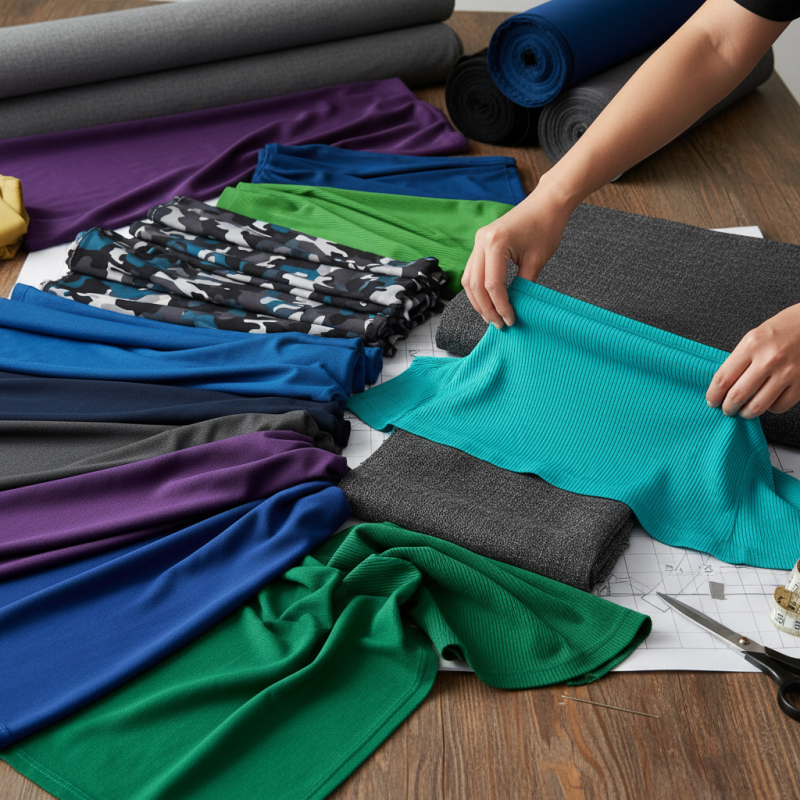
When selecting Polyester Tricot Fabric, consider factors like weight, stretch, and finish. A heavier fabric might provide better coverage, while a lightweight option could be more comfortable for sportswear. Understand your specific requirements to make the best choice. The variety in colors and patterns adds another layer of personalization.
Despite its many benefits, not all Polyester Tricot Fabrics are created equal. Quality can vary significantly among manufacturers. Researching suppliers and reading reviews can offer insights into the best options available. It’s essential to balance cost with quality to ensure you are satisfied with your purchase.
Understanding Polyester Tricot Fabric: Basics and Benefits
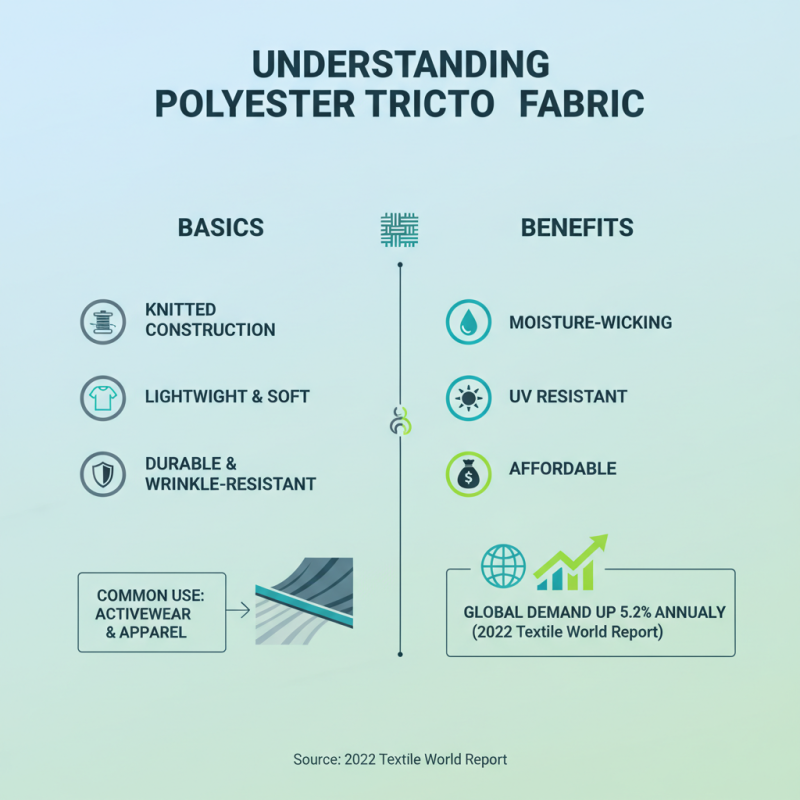
Polyester tricot fabric has gained popularity due to its unique properties. It is a lightweight, durable material often used in the fashion industry. According to a 2022 report by Textile World, the global demand for polyester fabrics is projected to grow by 5.2% annually. This growth is largely driven by the increasing need for technical textiles in activewear and athletic apparel.
One of the key benefits of polyester tricot fabric is its moisture-wicking capability. This feature makes it ideal for sportswear. It helps keep the body dry during intense physical activities. Research indicates that moisture management is a critical factor for consumers when choosing athletic fabrics. In fact, 70% of athletes prefer fabrics that enhance comfort and performance.
Another advantage is the diversity of applications. It can be used in garments, linings, and upholstery. However, users should be aware that not all polyester tricot fabrics are created equal. Variations in fiber quality can impact the overall performance and feel. Hence, it is essential to assess the specific requirements before choosing the fabric. Understanding these aspects can significantly influence the final product's success in a competitive market.
Identifying Your Project Needs: Suitable Applications for Tricot Fabric
When selecting polyester tricot fabric, understanding your project's needs is crucial. Tricot fabric is versatile, often used in sportswear, lingerie, and home textiles. According to the Technical Textiles Market Report (2023), the global market for knitted fabrics is expected to grow by 4.5% annually. This showcases the increasing demand for materials like tricot.
Identifying the desired properties is vital. Tricot offers a soft texture and excellent stretch, making it suitable for activewear. It's lightweight and breathable, enhancing comfort during wear. However, not every project requires these attributes. For instance, some items may need sturdier fabrics. Knowing what performance characteristics matter will guide your selection.
Tips: Always test fabric samples. Evaluate how the material feels and moves. Also, consider the intended use—a dance costume may need more flexibility than a home décor item. Also, weigh durability against aesthetics. Sometimes, fabrics that look great may not hold up to regular use. Balancing these elements is essential for successful outcomes.
Evaluating Fabric Quality: What to Look for in Polyester Tricot
When evaluating polyester tricot fabric, several key aspects stand out. The way the fabric feels against the skin is crucial. A soft, smooth texture is often desirable, but be cautious. Sometimes, overly smooth fabrics may not hold up under stress.
The weight of the fabric can influence its durability and application. Lightweight options are great for lining or layering, while heavier choices provide enhanced durability. Look for even edges and consistent color throughout the fabric. Any inconsistencies may indicate lower quality.
**Tips:** Check the fabric stretch. Polyester tricot is known for its elasticity. Ensure it stretches without losing shape. Also, consider how it reacts to washing. High-quality polyester should resist shrinkage and maintain color vibrancy.
Evaluate the fabric's breathability as well. Some polyester tricot can trap heat. Use this awareness to choose the right fabric for your projects. You may need to experiment with different types. Not every tricot will suit every purpose.
2026 How to Choose Polyester Tricot Fabric for Your Needs? - Evaluating Fabric Quality: What to Look for in Polyester Tricot
| Fabric Quality Indicator |
Description |
Importance |
| Weight |
Measured in grams per square meter (GSM), affects drape and durability. |
High |
| Weave Type |
Determines texture and stretch; common types include tricot and warp knit. |
High |
| Stretchability |
The ability of the fabric to stretch, essential for activewear. |
Very High |
| Colorfastness |
Resilience of color when washed or exposed to light. |
Medium |
| Softness |
Comfort against the skin; important for apparel. |
High |
| Moisture Wicking |
Ability to draw sweat away from the body, ideal for activewear. |
Very High |
| Breathability |
Allows air circulation, enhancing comfort during wear. |
High |
| Durability |
Resistance to wear and tear; crucial for long-lasting items. |
Very High |
Considerations for Color and Pattern Selection in Tricot Fabric
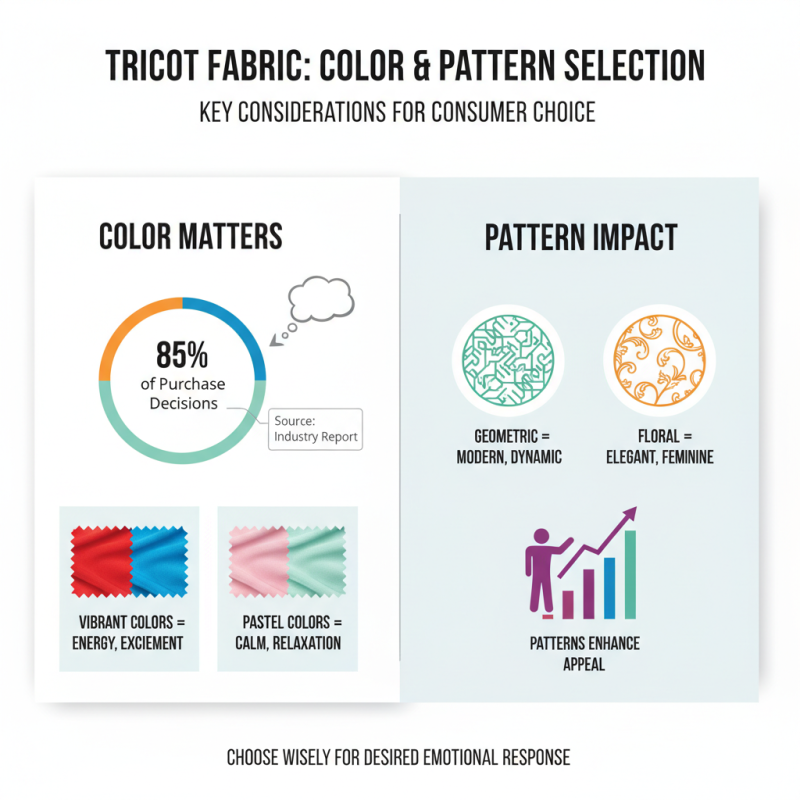
When selecting polyester tricot fabric, consider color and pattern carefully. According to a recent industry report, color significantly influences consumer choice, accounting for nearly 85% of purchasing decisions. The psychological impact of colors can sway emotions and perceptions. For instance, vibrant colors may evoke energy, while pastels often imply calmness.
Patterns also come into play. Digital printing technology today allows for intricate designs without compromising fabric quality. Yet, patterns can be subjective. Some buyers prefer classic stripes or polka dots, while others may favor abstract artwork. Industry data suggests that about 60% of fabric buyers prioritize versatility in patterns to ensure broader appeal.
Moreover, accessibility issues arise with certain colors and patterns. Trends shift rapidly, making it challenging to predict popular choices. This variability can result in excess inventory or missed opportunities. A calculated approach to selecting color and pattern is crucial. Engage with target markets for their preferences to mitigate the risks associated with these choices.
Sourcing and Purchasing: Where to Buy the Right Polyester Tricot
When sourcing polyester tricot fabric, knowing where to purchase is key. Online platforms often offer a wide selection, catering to diverse needs. Many fabric wholesalers have comprehensive inventories, making them valuable resources. However, navigating these options can be overwhelming. It's vital to research each supplier's reputation and customer reviews. Look for those with established histories of quality and reliability in fabric supply.
Local fabric stores might surprise you with unique selections. Visiting these places allows you to feel the fabric's texture firsthand. Sometimes, the personal touch of a knowledgeable salesperson can provide insights you wouldn't find online. However, local options may be limited in variety. Take note of the store's customer service as well; responsive staff can bolster your purchasing experience.
Consider reaching out to social media groups or forums dedicated to sewing and textiles. Engaging with the community can reveal supplier opinions and recommendations. Some members may share their past purchases, sparking new ideas for your project. Keep in mind, no sourcing method is flawless. Mistakes can happen—wrong fabric weights or colors. Learning from these hiccups will guide your future purchases.
2026 Polyester Tricot Fabric Purchasing Preferences