How to Choose the Right Polyester Weave for Your Next Project
When embarking on a new project, one of the most crucial considerations is the choice of materials, and the
type of polyester weave selected can significantly impact both functionality and aesthetics.
According to the Textile World report, the global demand for polyester fabrics is expected to reach
69 million tons by 2024, emphasizing the material's popularity and versatility in various applications.
Whether for fashion, upholstery, or industrial uses, understanding the distinct characteristics of polyester weaves—such as their
durability, breathability, and texture—can help
ensure that the end product meets specific requirements and performs optimally.
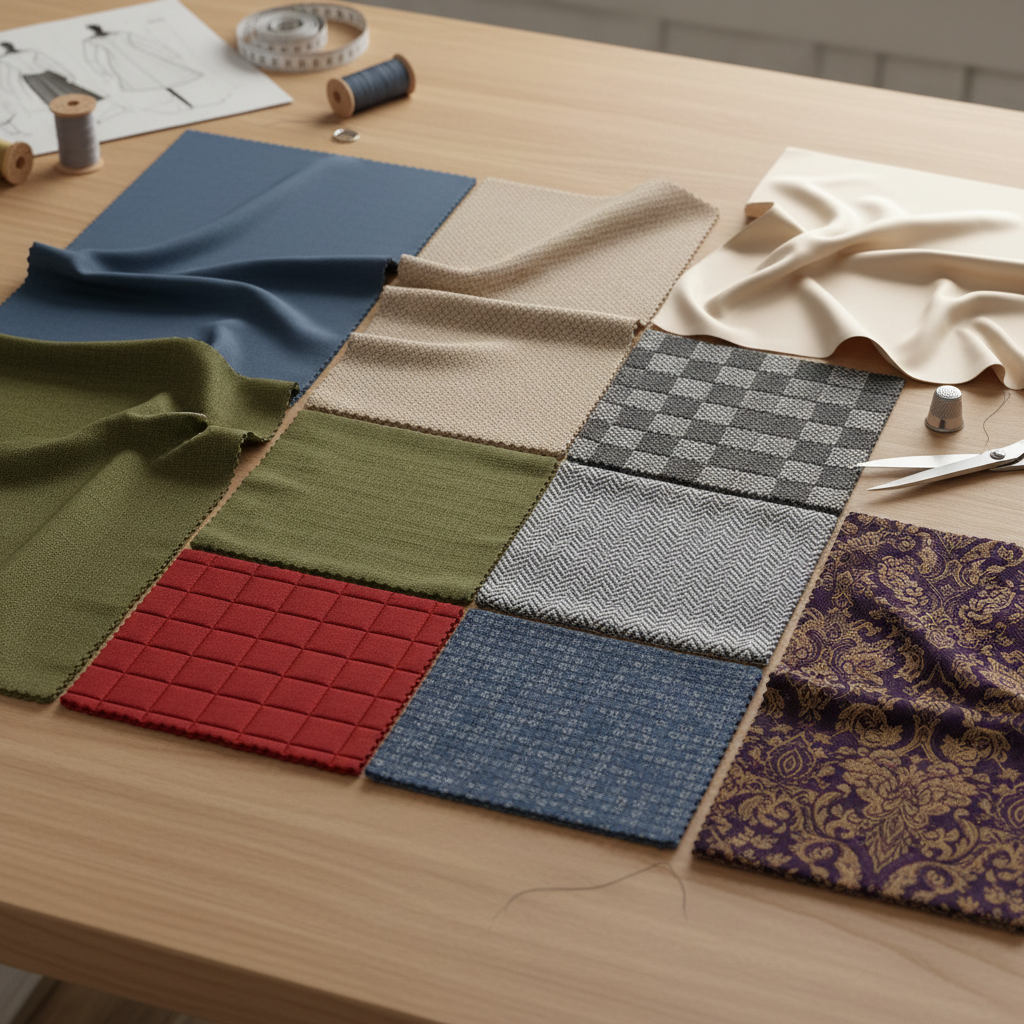
Different types of polyester weaves, including plain,
twill, and satin, offer unique qualities that cater
to diverse project needs. For instance, a recent study by the International Textile and Apparel Association highlights that fabrics with
a tight weave can enhance durability, while those with a looser weave
provide greater airflow and comfort. Selecting the right polyester weave not only influences the performance of the fabric but also
its appearance, making informed choices essential for designers and manufacturers aiming to create high-quality products.
With the continued growth of the polyester market, understanding how to navigate weave selections is key to achieving
successful project outcomes.
Understanding the Basics of Polyester Weaves
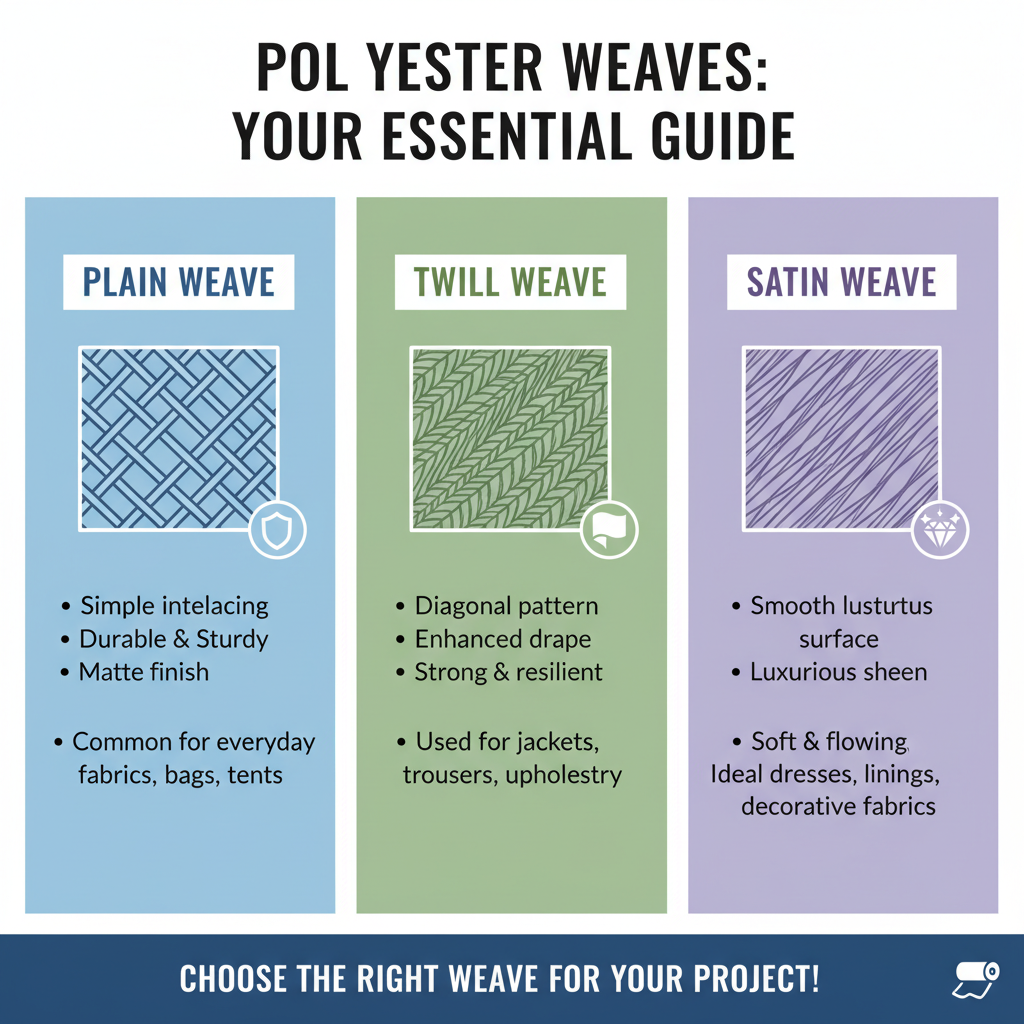
When selecting the right polyester weave for your project, it's essential to understand the basics of polyester weaves. Polyester fabrics are created through various weaving techniques that affect their texture, durability, and appearance. The most common weaves include plain, twill, and satin. Each weave has unique characteristics: plain weave is straightforward and durable, twill offers a diagonal pattern that improves drape and strength, while satin weave provides a luxurious sheen and a smooth surface.
Knowing the properties of these weaves can greatly influence your project's outcome. For instance, if you're designing a durable outdoor piece, a plain weave may be the best choice due to its resistance to wear and tear. On the other hand, if you're focusing on an elegant garment, satin weave could enhance the visual appeal with its glossy finish. By understanding these foundational aspects, you can make informed decisions that align with your project's needs, ensuring both functionality and style are achieved.
Types of Polyester Weaves and Their Unique Properties
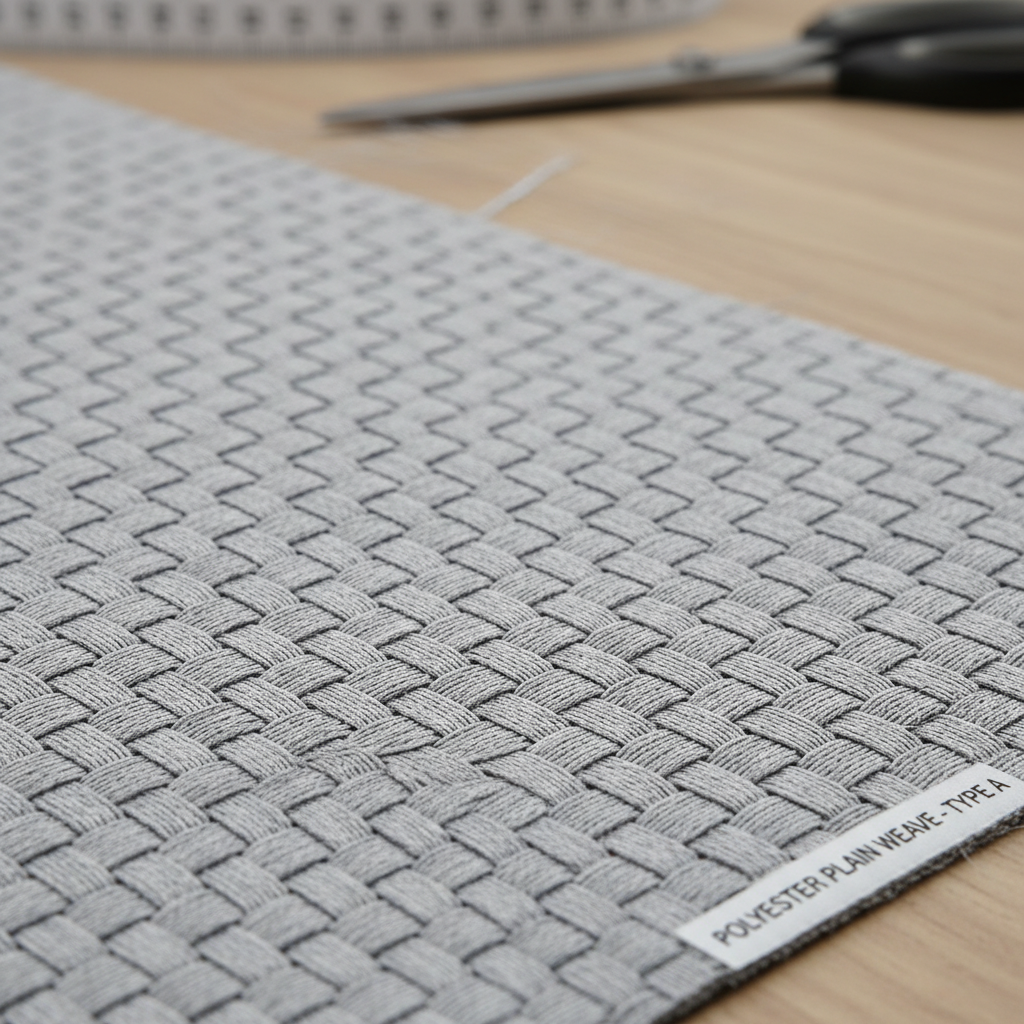
When selecting the right polyester weave for your project, understanding the various types and their unique properties is crucial. One popular option is the plain weave, which offers a balanced structure characterized by its simplicity and durability. This type is ideal for applications requiring strength and stability, making it great for everyday clothing and upholstery. The straight threads interlaced create a fabric that is less prone to fraying, thus ensuring longevity.
Another noteworthy weave is the twill weave, known for its diagonal ribbing, which imparts a more textured appearance. This type of weave is not only aesthetically pleasing but also superior in hiding stains, making it an excellent choice for home textiles and workwear. Twill fabrics tend to drape well, providing flexibility while maintaining a robust structure.
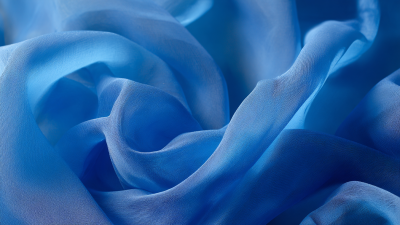
Lastly, the satin weave stands out with its lustrous finish and smooth texture, perfect for projects demanding a touch of elegance, such as evening wear or decorative home accents. By understanding these unique properties, you can make an informed choice that aligns with your project’s needs.
Factors to Consider When Choosing a Polyester Weave
When choosing the right polyester weave for your next project, several key factors come into play. First, consider the intended use of the fabric. For instance, if you are creating garments that require elasticity, look for polyester weaves that include spandex or have a stretchable pattern. On the other hand, for upholstery projects that demand durability and stain resistance, opt for tighter weaves that can withstand wear and tear.
Another important factor is the texture and finish of the polyester. Different weaves can produce various surface characteristics, impacting the overall aesthetic and feel of the final product. Smooth finishes are ideal for formal apparel, while textured weaves can add visual interest to home decor items. Additionally, consider the weight of the fabric; heavier weaves lend themselves well to outerwear, while lighter weaves may be better suited for blouses or summer dresses. Always keep in mind the requirements of your specific project to select the most appropriate polyester weave.
How to Choose the Right Polyester Weave for Your Next Project - Factors to Consider When Choosing a Polyester Weave
| Weave Type |
Characteristics |
Best Use Cases |
Durability |
Price Range |
| Plain Weave |
Simple and strong, good breathability |
Shirts, lightweight jackets |
High |
$5 - $15 per yard |
| Twill Weave |
Diagonally woven, softer and more drapey |
Pants, jackets, uniforms |
Medium to High |
$6 - $20 per yard |
| Satin Weave |
Shiny finish, smooth texture |
Evening gowns, lingerie |
Medium |
$8 - $25 per yard |
| Jacquard Weave |
Complex patterns, textured surface |
Curtains, upholstery |
High |
$10 - $30 per yard |
| Mesh Weave |
Open structure, great for ventilation |
Sportswear, bags |
Medium |
$4 - $12 per yard |
Applications and Suitability of Different Polyester Weaves
When selecting a polyester weave for your next project, understanding the applications and suitability of different weaves is essential. Various weaves, such as plain, satin, and twill, each have distinct characteristics that make them ideal for specific uses.
For instance, plain weaves are known for their durability and resistance to fraying, making them suitable for items like home furnishings and heavy-duty apparel. This weave offers a robust structure that can withstand wear, ideal for everyday items that require longevity.
On the other hand, satin weaves provide a smooth, glossy finish which is perfect for applications requiring a touch of elegance, such as formal wear or decorative pillows. The luxurious feel of satin comes from its unique crossing pattern, which allows for greater thread visibility and fewer interlacings, resulting in a soft texture.
Twill weaves, characterized by their diagonal patterns, offer a balance between aesthetics and strength, making them a popular choice for denim and suit fabrics. By understanding these different weaves and their respective advantages, you can choose the right polyester weave that aligns perfectly with your project needs.
Tips for Selecting the Right Polyester Weave for Your Project
When selecting the right polyester weave for your project, consider the specific characteristics that different weaves offer. Each weave type affects the texture, durability, and suitability for various applications. For example, a tight weave provides enhanced strength and makes it ideal for heavy-duty items like bags or upholstery, while a looser weave can create a lightweight fabric that's perfect for garments or curtains. Evaluating how the fabric will be used—whether for clothing, accessories, or home décor—can guide your choice.
Additionally, assess the fabric's care requirements and its performance in different environments. For instance, if your project is intended for warmer seasons, opting for a breathable weave that allows air circulation is essential. Meanwhile, consider the aesthetic appeal, as polyester can be dyed in numerous colors and patterns, which adds versatility to your designs. By understanding the functional and visual attributes of various polyester weaves, you can make an informed decision that elevates your project.
Polyester Weave Selection for Projects