Why Choose Sewing Polyester Fabric for Your Next Project?
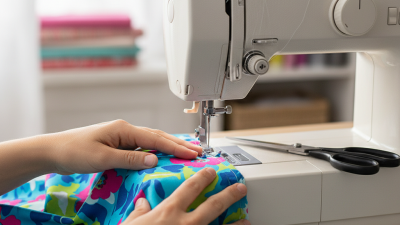
Sewing Polyester Fabric is a top choice for many crafters and DIY enthusiasts. This versatile material offers a blend of durability and affordability. Whether you're making garments or home décor, polyester fabric provides endless possibilities. Its resistance to wrinkles and shrinking is a huge plus. You can create stunning items that last longer than those made from other fabrics.
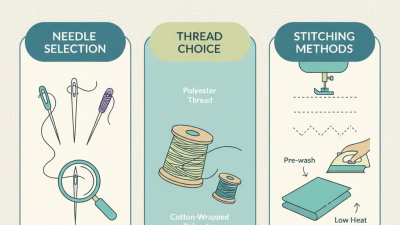
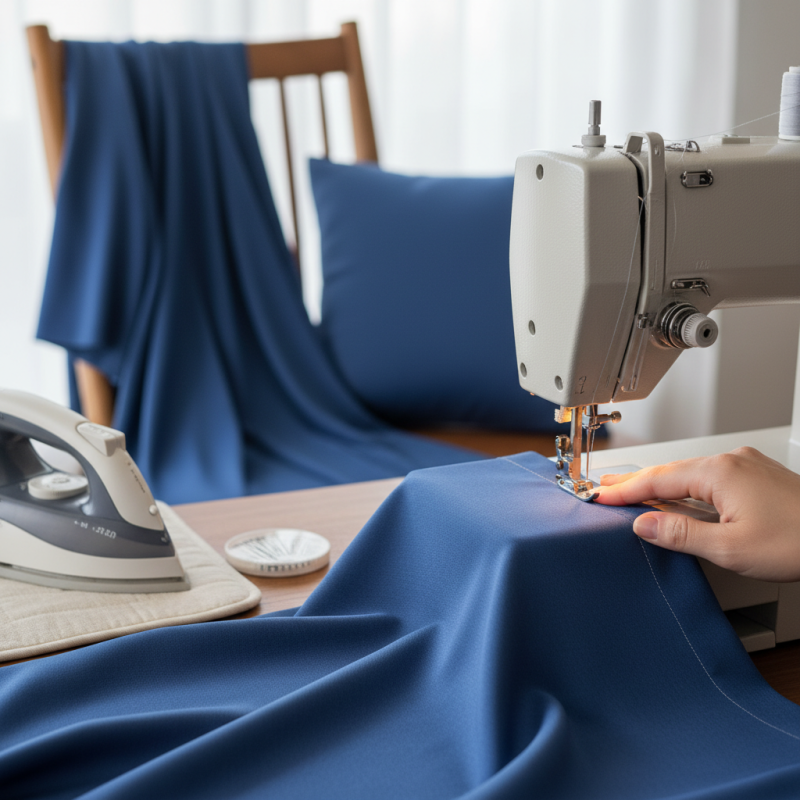
One of the challenges with Sewing Polyester Fabric is how it handles heat. It can melt if exposed to high temperatures. So, using the right tools is crucial. This means taking time to adjust your iron settings and using appropriate needles. Choosing the best thread for polyester is equally important. While many options work, some threads offer better bonding. The right choices can elevate your sewing experience.
Incorporating Sewing Polyester Fabric into your projects requires practice. Many sewists face difficulties with stitching techniques or fabric stretching. A little research and experimentation can help. Embracing these flaws in the learning process is key to mastering this fabric. Remember, every project is a journey, and growth comes from exploration.
Benefits of Sewing with Polyester Fabric
Polyester fabric is a popular choice among sewers due to its many advantages. One of the main benefits is its durability. According to a report by the Textile Industry Association, polyester fabrics are known to withstand wear and tear better than most natural fibers. This makes them suitable for a variety of projects, from clothing to upholstery.
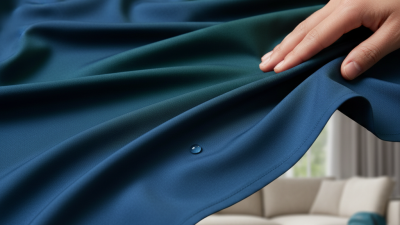
Another significant advantage of polyester is its resistance to wrinkles and shrinking. A study from the Fabric Research Journal indicates that garments made from polyester retain their shape over time, reducing the need for frequent ironing. This characteristic is particularly beneficial for everyday clothing and work uniforms. Additionally, polyester is hydrophobic, which means it dries quickly. This can be an asset in projects where moisture exposure is a concern.
However, it’s important to acknowledge that while polyester is versatile, it can have drawbacks. Some people find the fabric less breathable compared to cotton. This has led to discomfort in hot climates. Choosing the right blend can mitigate this issue. By understanding the pros and cons, sewers can make informed choices about polyester for their next projects.
Durability and Longevity of Polyester Fabric
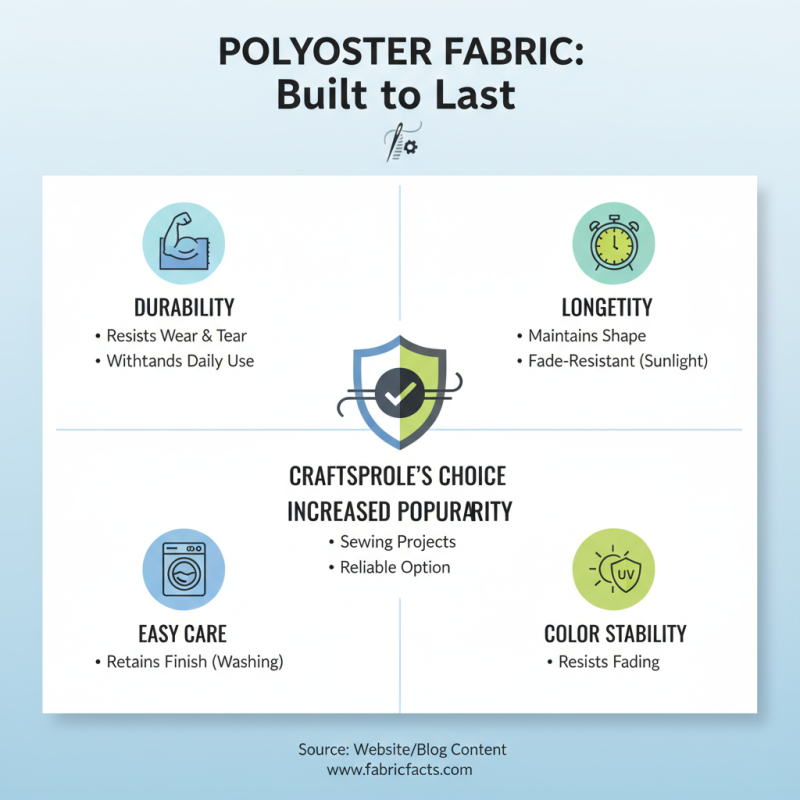
Polyester fabric is gaining popularity among crafters. Its durability and longevity make it a standout choice for various sewing projects. When treated properly, polyester can withstand wear and tear without compromising appearance. This fabric resists fading, making it a reliable option for items exposed to sunlight. Its innate resilience helps maintain shape and finish even after repeated washing.
For those uncertain about working with polyester, here are some tips. Always pre-wash the fabric to avoid shrinkage. Use the right needle; a universal needle typically works well. Adjust the tension on your sewing machine to match the fabric weight. This small change can prevent puckering and ensure smooth seams.
While polyester has many advantages, it can be challenging for beginners. It might slip while cutting or sewing, leading to inaccuracies. Taking the time to pin or use weights can counteract this issue. Familiarity with the fabric helps in achieving better results, so practice is key. Each project can teach valuable lessons, especially when dealing with tricky materials like polyester.
Versatility in Applications and Uses of Polyester
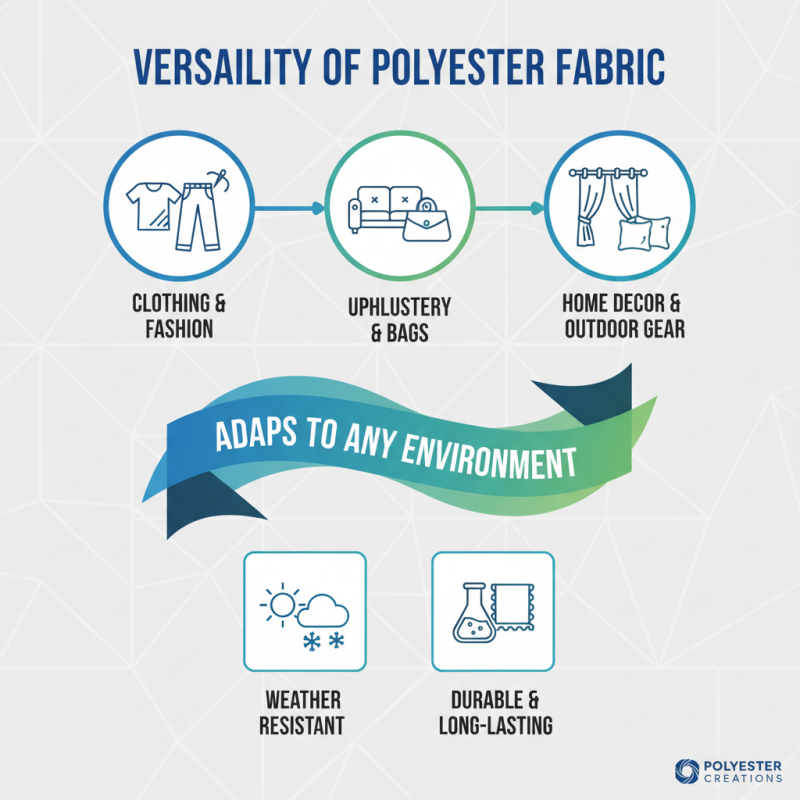
Polyester fabric is a favorite among many creators due to its incredible versatility. This fabric is not just for clothing; it finds its way into upholstery, bags, and even home decor. One notable feature is its ability to withstand various environmental conditions. Whether you’re crafting outdoor cushions or stylish garments, polyester adapts seamlessly.
It’s often used in activewear because of its moisture-wicking properties. This keeps the wearer dry during exercise while providing a comfortable fit. Many textiles fall short in breathability, but polyester excels here. However, this elasticity can sometimes lead to pilling. While that can be frustrating, it's a reminder to explore new finishes and blends.
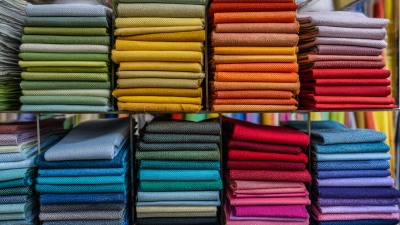
Another advantage is the wide range of colors available. From vibrant hues to subtle shades, the options are never-ending. This variety allows for unique creations tailored to any project. Yet, as reliable as polyester is, it can sometimes lack the luxurious feel of natural fibers. As you dive into your next sewing project, consider how these characteristics might influence your design choices. Embrace the imperfections; they may lead to unexpected solutions.
Care and Maintenance Tips for Polyester Projects
Polyester fabric is a popular choice for many sewing projects. Its durability and versatility make it ideal for various applications. However, proper care and maintenance are essential to keep your polyester items looking fresh. Washing polyester requires specific techniques to prevent damage.
For laundry, use cold water and a gentle cycle. High heat can cause polyester to shrink or lose its shape. Avoid harsh detergents, which can compromise the fabric's fibers. Instead, opt for mild detergent for a better outcome. If you have stains, treat them immediately to prevent set-in marks. Blot the stain gently; scrubbing can damage the fabric.
Drying polyester correctly is crucial. Never use high heat in the dryer. Instead, air dry or set the dryer to a low heat. Over-drying can lead to static cling and wrinkles. When ironing, use a low setting to avoid melting the fibers. It's essential to keep these tips in mind to ensure your polyester project lasts.
Remember, maintaining this fabric isn't just about cleaning. It's about preserving the beauty and integrity of your work.
Cost-Effectiveness of Choosing Polyester Fabric
Choosing polyester fabric for sewing projects offers a range of cost-effective benefits. This material is widely popular due to its affordability. For budget-conscious creators, polyester serves as a practical option without sacrificing quality or durability. Compared to natural fabrics, polyester is often available at a lower price point, making it accessible for various projects.
Another advantage of polyester is its versatility. It can be used for everything from clothing to home décor. The fabric comes in a variety of colors and patterns, making it easy to find suitable options. However, one drawback can be its tendency to retain heat when worn. This can limit its comfort in warmer climates. Creators should consider fabric blends to mitigate this issue, enhancing breathability without losing the cost benefits.
Sustainability is a growing concern in our world. While polyester is cost-effective, its environmental impact should be considered. Some manufacturers now focus on recycled polyester, offering a more eco-friendly alternative. This option may cost slightly more but contributes positively to sustainability efforts. Reflecting on these aspects can lead to a more informed choice for your next project, balancing cost with responsibility.
Why Choose Sewing Polyester Fabric for Your Next Project? - Cost-Effectiveness of Choosing Polyester Fabric
| Feature |
Polyester Fabric |
Cotton Fabric |
| Cost per Yard |
$5 |
$8 |
| Durability |
High |
Moderate |
| Water Resistance |
Yes |
No |
| Shrinkage |
Low |
High |
| Ease of Care |
Easy |
Moderate |
| Color Retention |
Excellent |
Good |