Why Choose Stretchable Polyester Fabric for Your Next Project?
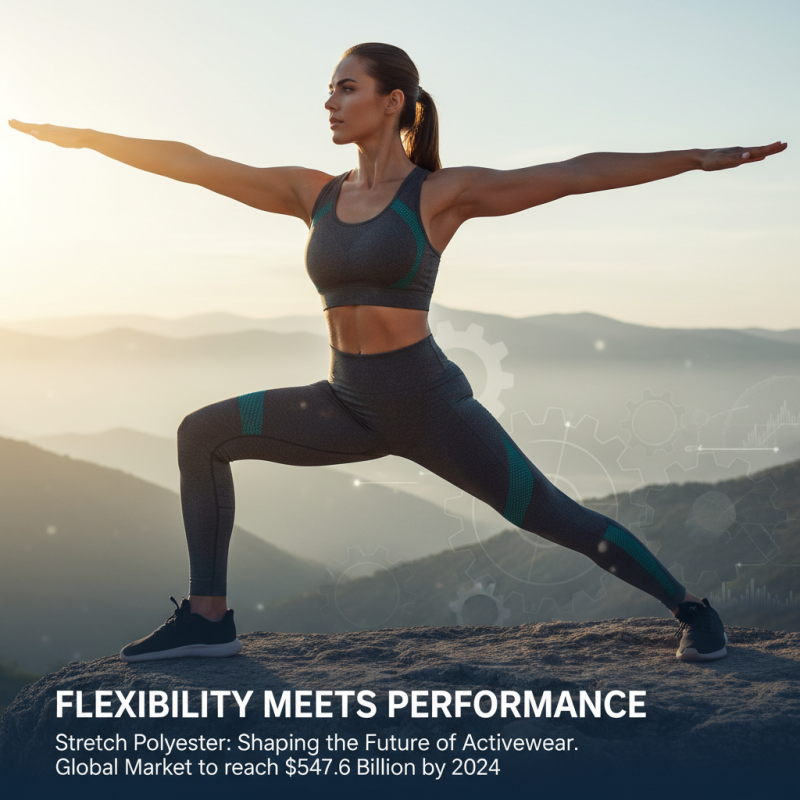
The textile industry has seen remarkable advancements in materials designed to meet the evolving demands of consumers, particularly in the realm of activewear and functional clothing. Stretchable Polyester Fabric has emerged as a leading solution, offering unparalleled comfort and flexibility. According to a report by Research and Markets, the global activewear market is projected to reach $547 billion by 2024, driven by a growing consumer preference for versatile fabrics that enhance mobility and performance. Stretchable Polyester Fabric plays a crucial role in this trend, providing the elasticity required for both professional athletes and casual wearers alike.
Moreover, the durability and moisture-wicking properties of Stretchable Polyester Fabric position it as an ideal choice for a variety of applications, from sports apparel to outdoor gear. The fabric's ability to retain shape and resist wrinkling is highlighted in a study by Textile World, indicating a significant increase in consumer demand for high-performance materials that also prioritize ease of maintenance. As sustainability becomes increasingly important in fashion, the recyclability of polyester further underscores the advantages of adopting Stretchable Polyester Fabric for future projects, aligning with global initiatives aimed at reducing textile waste. By choosing this innovative material, designers can cater to the preferences of a diverse audience while contributing to a more sustainable future.
Benefits of Stretchable Polyester Fabric in Textile Applications
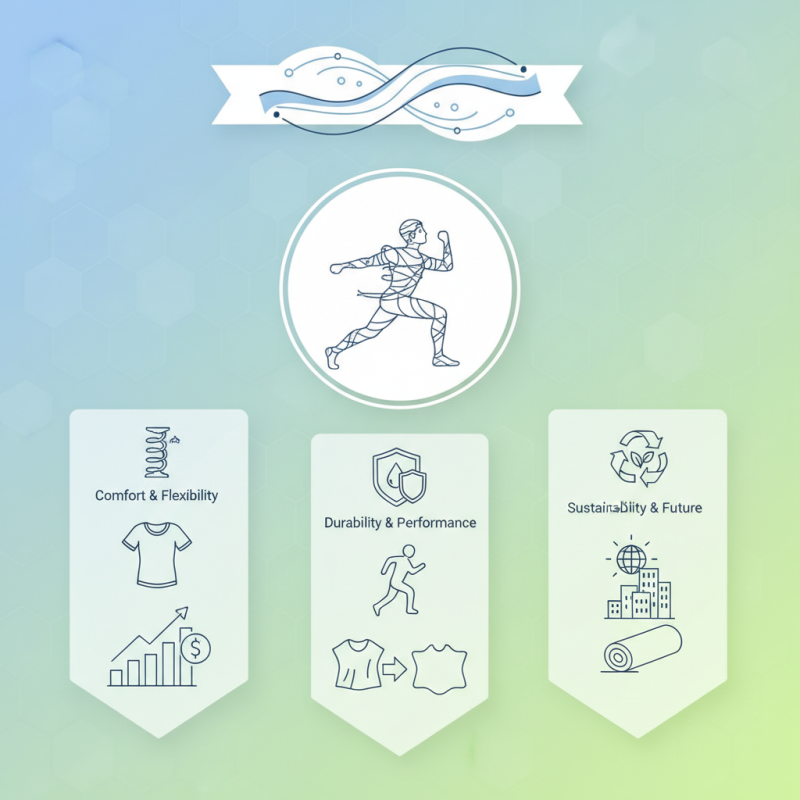
Stretchable polyester fabric is gaining popularity in various textile applications due to its remarkable flexibility and durability. One of the primary benefits of this material is its ability to maintain shape and structure, making it ideal for garments that require a snug fit without compromising comfort. The stretchability allows for ease of movement, which is particularly advantageous in activewear, dance costumes, and performance apparel.
Additionally, this fabric is resilient, allowing it to withstand regular wear and tear while maintaining its form over time.
Another significant advantage of stretchable polyester fabric is its moisture-wicking properties. This characteristic helps to keep the wearer dry by drawing sweat away from the body, making it suitable for athletic wear and outdoor clothing. Furthermore, stretchable polyester is often resistant to wrinkles, fading, and shrinking, ensuring that finished products look as good as new even after multiple washes. The combination of flexibility, durability, and performance features makes stretchable polyester fabric an excellent choice for designers and manufacturers looking to create high-quality, functional textile products.
Performance Characteristics of Stretchable Polyester Fabric
Stretchable polyester fabric has gained popularity due to its outstanding performance characteristics that cater to a wide range of applications. One of its primary benefits is its exceptional elasticity, which allows the fabric to stretch and move with the body. This feature is crucial for activewear, sports apparel, and any clothing designed for dynamic movement, providing comfort and flexibility without sacrificing style. The ability to retain its shape after stretching also ensures that garments maintain a flattering fit over time.
In addition to elasticity, stretchable polyester fabric boasts excellent moisture-wicking properties. This means it can effectively draw moisture away from the skin, keeping the wearer dry and comfortable, especially during physical activities. Furthermore, the fabric is resistant to shrinking and wrinkling, making it ideal for everyday garments where longevity and ease of care are essential. Its durability and resistance to wear make it a practical choice for various projects, from fashion design to home textiles, allowing creators to focus on their vision without worrying about fabric performance.
Performance Characteristics of Stretchable Polyester Fabric
Comparison of Stretchable Polyester with Other Fabrics
When considering materials for your next project, stretchable polyester fabric stands out in comparison to other fabrics like cotton and nylon. Unlike cotton, which offers breathability but lacks elasticity, stretchable polyester provides a dynamic combination of comfort and flexibility. This makes it ideal for applications that require movement, such as activewear or fitted garments.
Its ability to retain shape even after multiple uses ensures longevity, something traditional cotton fabrics often struggle with, especially when subjected to frequent washing and stretching.
On the other hand, while nylon is known for its durability and resistance to abrasion, it falls short in terms of moisture-wicking capabilities.
Stretchable polyester excels in this area, making it suitable for athletic applications where moisture management is crucial. Its quick-drying properties and lightweight feel provide an extra advantage, allowing wearers to remain comfortable during intense physical activity. Together, these comparisons highlight the versatility and practicality of stretchable polyester, making it a preferred choice for projects that demand both functionality and style.
Industry Trends in Stretchable Polyester Fabric Usage
The demand for stretchable polyester fabric has been rising steadily, driven by its versatility in various industries, particularly in sportswear and active fashion. According to a recent report from Grand View Research, the global activewear market is expected to reach USD 547.6 billion by 2024, with stretchable materials playing a crucial role in this growth. The elasticity of polyester combined with moisture-wicking properties makes it a preferred choice for manufacturers aiming to enhance comfort and performance for active consumers.
Moreover, the trend of athleisure—a blend of athletic and leisurewear—has significantly influenced the use of stretchable polyester in everyday clothing. A study by Allied Market Research indicated that the athleisure segment is projected to grow at a CAGR of 23.4% from 2021 to 2027. This shift towards casual yet functional clothing has encouraged brands to invest in textiles that not only offer flexibility but also sustainability, as environmentally friendly practices become a key concern in textile production. The adaptability of stretchable polyester fabric, combined with innovations in eco-friendly dyeing processes, positions it as a leading material for future fashion developments.
Sustainability Considerations for Stretchable Polyester Fabric Production
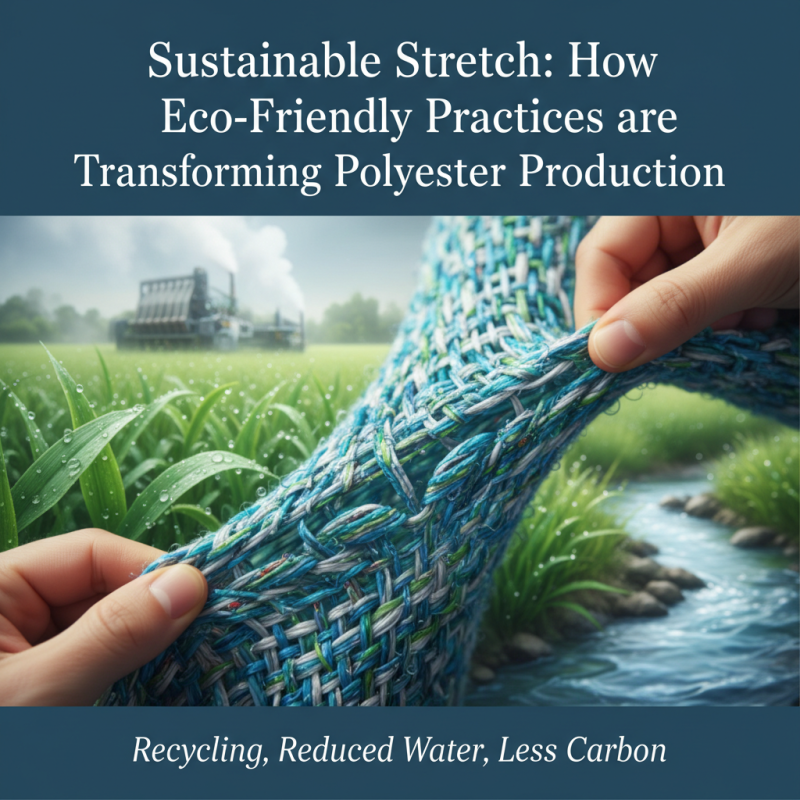
The growing demand for sustainable textiles has prompted the fashion and fabric industries to focus on eco-friendly production methods, particularly in the context of stretchable polyester fabric. Known for its excellent elasticity and durability, stretchable polyester is increasingly being manufactured with sustainability in mind. According to a report by the Global Fashion Agenda, the textile industry is responsible for 10% of global greenhouse gas emissions, highlighting the urgent need for more sustainable practices. By utilizing recycling processes and reducing water usage during production, manufacturers of stretchable polyester can significantly decrease their carbon footprint.
In addition to lowering emissions, the production of stretchable polyester fabric has begun to incorporate advanced technologies, enabling the use of recycled materials derived from plastic bottles and other waste. A study by the Ellen MacArthur Foundation suggests that transitioning to circular manufacturing processes could reduce the environmental impact of textiles by up to 30%. By opting for stretchable polyester made from recycled sources, brands can contribute to a circular economy while appealing to the increasing consumer demand for sustainable fashion options. These innovations not only support the environment but also create opportunities for brands to differentiate themselves in a competitive marketplace focused on sustainability.