How to Choose the Best Polyester Viscose Blend for Your Needs?
Choosing the right Polyester Viscose Blend can be challenging. With various options available, it's crucial to understand your specific needs. According to textile expert Dr. Emily Carter, "The right blend balance can transform functionality and comfort in fabrics." This highlights the importance of knowing the qualities of each blend.
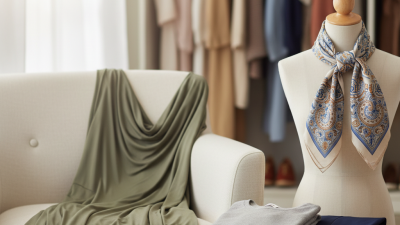
Polyester Viscose Blend combines durability with softness. Many apparel manufacturers value this blend for its versatility. It works well for both casual wear and formal attire. The lightweight nature of polyester enhances the drape, while viscose adds a luxurious feel. These attributes make it popular in the fashion industry.
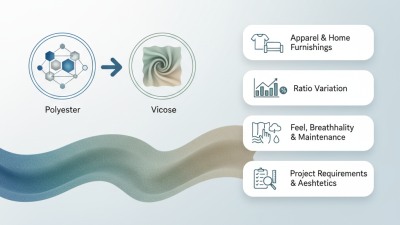
However, not all Polyester Viscose Blends are created equal. Some blends may lack breathability, impacting comfort. It's essential to consider factors like the blend ratio and intended use. Researching fabrics and understanding how they react to care is necessary. Finding the perfect blend can greatly enhance your wardrobe and overall satisfaction.

Understanding Polyester Viscose Blend: Key Properties and Benefits
Polyester viscose blends offer a unique combination of properties that cater to various needs. This fabric is known for its durability and comfort. Studies show that polyester blends can enhance the tensile strength of textiles by 25%. Additionally, the softness of viscose adds to the overall appeal, making it ideal for clothing and home textiles.
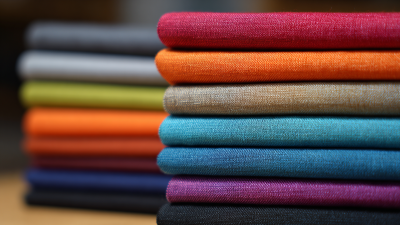
When selecting a polyester viscose blend, consider the fabric's weight and drape. Heavier blends provide structure, while lighter versions tend to flow beautifully. It’s essential to assess your specific use case. For instance, if it's for casual wear, a softer blend may enhance comfort, while a sturdier option could suit work garments better.
Tip: Always check the fabric’s care instructions. Many blends are machine washable, but some may require special handling. Another tip is to feel the fabric in person, as textures can greatly impact comfort. Aim for a blend that offers a balance of breathability and warmth. Not all options may meet your expectations, so take your time and evaluate before purchase.
Common Applications of Polyester Viscose Blends in the Textile Industry
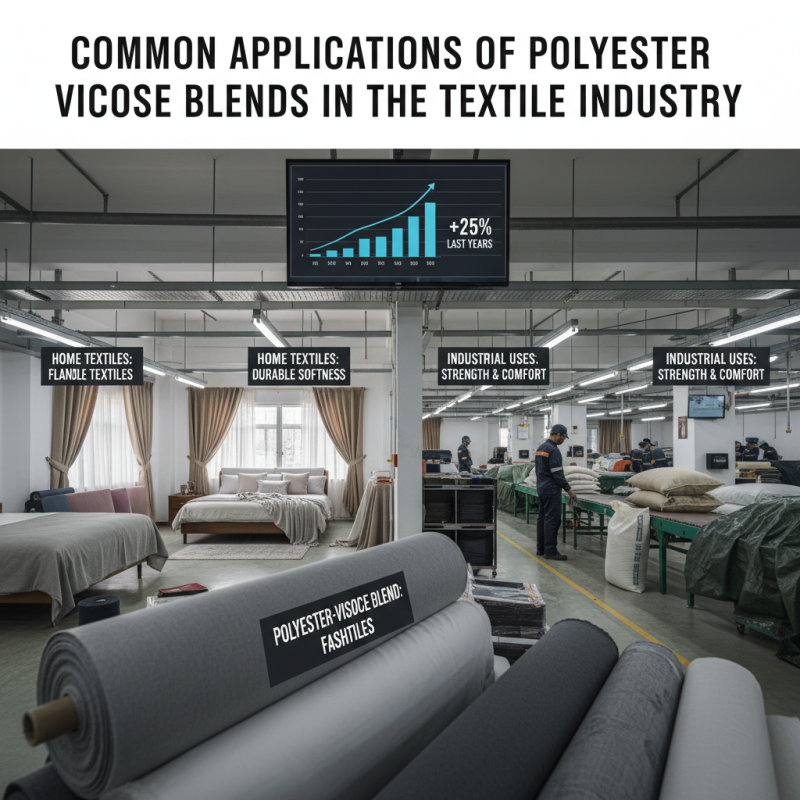
Polyester viscose blends have become a significant choice in the textile industry, primarily due to their versatility. A recent report indicates that the demand for these blends has surged by approximately 25% over the last five years. This growth stems from their application in various sectors, including fashion, home textiles, and industrial uses. The unique properties of polyester offer durability, while viscose provides a soft hand feel, making them ideal for garments.
Common applications include clothing such as casual wear, formal attire, and activewear. The blend helps garments maintain their shape while providing breathability. Additionally, these fabrics are often used in upholstery, where colorfastness and ease of care are crucial. Interestingly, there are challenges with this combination. The production process can lead to environmental concerns, as polyester is a synthetic fiber. Moreover, while blending, the ratio of polyester to viscose can vary significantly, which impacts the final product’s quality.
In home textiles, polyester viscose blends are frequently found in curtains and bedding. These products benefit from reduced wrinkling and enhanced longevity. As consumers become more eco-conscious, manufacturers face pressure to improve sustainability in production. Striking the right balance in fabric composition remains a challenge, with ongoing research needed to develop more eco-friendly solutions.
Evaluating Fabric Weight and Durability in Polyester Viscose Choices
When evaluating polyester viscose blends, fabric weight and durability are key factors. Fabric weights vary widely, typically ranging from 150 to 300 grams per square meter (gsm). Lighter blends, around 150 gsm, are ideal for summer wear. They offer breathability but may lack durability. On the other hand, heavier fabrics can withstand more wear and tear, making them suitable for work apparel and outerwear.
Durability can be assessed through pilling resistance and tensile strength. According to industry reports, polyester blends usually score higher on tensile strength tests compared to pure viscose fabrics. A recent study indicated that a 65/35 polyester-viscose blend has a tensile strength up to 30% stronger than a pure viscose option. This data suggests that when durability is a priority, opting for a higher polyester content can lead to longer-lasting garments.
While choosing fabric blends, you might notice inconsistencies in performance. Not all blends behave the same way under stress. Some might have excellent drape but unravel easily. Observations show that blends can vary significantly based on manufacturing processes. It's crucial to consider the specific use case and test samples before proceeding with larger purchases.
Fabric Weight and Durability of Polyester Viscose Blends
Assessing Colorfastness and Maintenance for Polyester Viscose Fabrics
When considering polyester viscose blends, colorfastness is a key factor. Fabrics that hold color well resist fading. This ensures your clothing remains vibrant after multiple washes. To assess colorfastness, perform a simple test. Dampen the fabric and press it against a white cloth. If color transfers, the fabric may not be suitable for long-term use.
Maintenance is another crucial aspect. Polyester viscose blends are generally low-maintenance. They often require less ironing. However, they can attract dust and lint, which may need regular cleaning. A gentle wash cycle with mild detergent can prolong the fabric’s life.
While these fabrics have benefits, they are not without challenges. Some individuals find that these blends can cause irritation. Personal experiences vary, so testing a small section first is wise. Choosing the right fabric is about balancing these characteristics against your personal needs.
Comparative Analysis: Polyester Viscose Blend vs. Other Fabric Blends
When comparing polyester viscose blends to other fabric blends, several factors come into play. Polyester and viscose combine durability with softness. This blend is practical for everyday wear. It resists wrinkling and shrinking, which can be a concern with 100% natural fabrics. In contrast, cotton blends may feel softer, but they lack the same resilience. They often require more upkeep.
Another common choice is cotton-polyester blends. These fabrics are breathable and relatively easy to care for. However, they may not drape as well as polyester viscose blends. The latter has a smooth finish that feels luxurious against the skin. Yet, some might find it less breathable than pure cotton. It's essential to weigh these aspects based on your preferences.
Exploration of fabric blends often reveals variability in quality and feel. Not all polyester viscose blends are created equal. Factors such as thread count, weaving technique, and manufacturer standards impact their performance. Some blends may pill or fade. Crafting the perfect wardrobe requires careful consideration of these details. Understanding your specific needs is key to making an informed choice.