How to Choose the Best Polyester Water Resistant Fabrics?
Choosing the right Polyester Water resistant fabrics is essential for many industries today. According to a report from the Textile Research Institute, the demand for such materials has increased by 25% over the last five years. This growth is attributed to the rising need for durable outdoor gear and protective clothing.
Expert in the field, Dr. Emily Carter, emphasizes the importance of selecting high-quality materials. She states, “Not all polyester fabrics offer the same level of water resistance. Understanding the different types is crucial.” Her insight highlights the complexities involved in making the best choices.
While many manufacturers boast about their products’ qualities, not all meet real-world expectations. Moreover, user feedback often reveals inconsistencies. Exploring the technical specifications can lead to better decisions, yet many buyers rush through this process. Being informed is key in navigating the wide range of options available in the market.

Understanding the Properties of Polyester Fabrics in Water Resistance
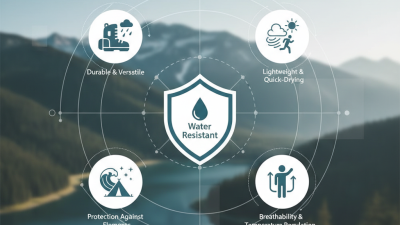
Choosing the right polyester water-resistant fabric requires understanding its specific properties. Polyester is known for its synthetic fibers, which provide durable and lightweight solutions. A key advantage of these fabrics is their exceptional ability to repel water, making them suitable for various outdoor applications. However, not all polyester fabrics offer the same level of water resistance.
It's crucial to consider the fabric's weave. Tightly woven polyester creates a barrier against water permeability. For example, a plain weave may not resist water as effectively as a ripstop weave. Furthermore, coatings such as polyurethane can enhance water resistance but may compromise breathability.
**Tips:** Test a fabric sample under water to assess its performance. Observe how quickly it absorbs moisture. Also, consider the expected conditions of use. If the fabric will face heavy rain, choose options with higher water resistance ratings.
Another important factor is maintenance. Some polyester fabrics require special washing methods to retain their water-resistant qualities. Over time, even the best fabrics can lose their effectiveness. Regularly check for signs of wear and refresh treatments as needed. Always value the balance between durability and functionality.
How to Choose the Best Polyester Water Resistant Fabrics? - Understanding the Properties of Polyester Fabrics in Water Resistance
| Property |
Description |
Benefits |
Common Uses |
| Water Repellent |
The fabric is treated to repel water, preventing it from soaking in. |
Keeps the wearer dry in light rain. |
Lightweight jackets, outdoor gear. |
| Waterproof |
Completely prevents water from passing through the fabric. |
Ideal for heavy rain and wet conditions. |
Raincoats, waterproof bags. |
| Breathability |
Allows moisture vapor to escape while repelling water. |
Prevents overheating during physical activity. |
Activewear, hiking gear. |
| Durability |
Resistant to wear, tear, and fading over time. |
Long-lasting use under various conditions. |
Workwear, outdoor equipment. |
| UV Resistance |
Provides protection against harmful UV rays. |
Prevents skin damage during outdoor activities. |
Beachwear, outdoor apparel. |
Evaluating the Performance Metrics of Water Resistant Polyester Fabrics
When evaluating water-resistant polyester fabrics, specific performance metrics are essential. Key characteristics include moisture resistance, durability, and breathability. According to a recent industry report, water-resistant fabrics rated above 300 mm in water column pressure are considered highly effective for outdoor use. This metric helps consumers determine the fabric's ability to withstand rain and moisture.
Durability is another critical aspect. Many polyester fabrics undergo treatments that enhance their water resistance but may compromise longevity. A study found that while some fabrics maintain water resistance after 30 washes, others lose significant performance. Regular testing can reveal how fabrics respond over time. Buyers must consider these factors to ensure they choose long-lasting materials.
Breathability is vital for comfort, especially in active wear. Fabrics that excel in moisture management can help regulate temperature. However, not all water-resistant polyester fabrics offer this feature. It's crucial to identify the right balance between resistance and breathability. Understanding these metrics aids in making informed choices about fabric selection.
Comparative Analysis of Coatings for Enhanced Polyester Water Resistance
When selecting the best polyester water-resistant fabrics, understanding coatings is essential. Different coatings enhance water resistance significantly. A study by the Textile Research Journal highlights that polyurethane (PU) coatings offer about 95% water resistance. This makes PU a popular choice for outdoor applications. However, effectiveness can vary with climatic conditions, and long-term performance must be considered.
Another noteworthy coating is fluoropolymer. According to research from the Journal of Applied Polymer Science, fluoropolymer coatings provide excellent water repellency. They can keep water droplets on the fabric surface, allowing for easy cleaning and maintenance. However, their environmental impacts are under scrutiny. A balance between performance and sustainability is crucial for manufacturers.
Recent trends show a growing interest in eco-friendly alternatives like bio-based coatings. A report from the American Association of Textile Chemists and Colorists (AATCC) notes that these options often fall short in durability. While they may align with sustainability goals, their long-term water resistance must be evaluated thoroughly. Choosing coatings involves trade-offs that require careful consideration of performance, environmental impact, and intended use.
Key Industry Standards for Testing Water Resistance in Fabrics
When selecting polyester water-resistant fabrics, understanding industry standards for testing water resistance is crucial. Various methods determine how well a fabric repels water. The most recognized test is the AATCC 22 method. It assesses water repellency through spray testing. Fabrics receive ratings based on the amount of water that penetrates their surface. Higher ratings indicate better performance.
Another notable test is the ISO 811 method. This measures water resistance under pressure. It applies a controlled amount of water to the fabric, determining how much pressure it can withstand before leaking. Both tests provide valuable insights into fabric reliability. However, not all water-resistant fabrics undergo stringent testing, leading to discrepancies in effectiveness.
It’s essential to research the certifications and testing methods employed by manufacturers. Lack of transparent information may indicate a lower quality product. Be skeptical of fabrics claiming water resistance without supporting data. Ultimately, knowing these testing standards will guide consumers in making informed choices. Recognizing the nuances between different fabric treatments helps in selecting the best option for your needs.
Selecting the Right Weight and Weave for Optimal Water Resistance in Polyester
When choosing the best polyester water-resistant fabrics, the weight and weave are crucial factors. Heavier fabrics tend to resist water better than lighter ones. However, they can feel bulky. A breathable option may be lighter but could compromise water resistance. It is essential to strike a balance between comfort and protection.
Weaving patterns also play a significant role in water resistance. Tightly woven fabrics can prevent water from seeping through. In contrast, loosely woven materials might allow moisture to penetrate. Some weaves offer versatility, adapting well to different weather conditions, while others prioritize durability. Evaluating how the fabric feels and behaves in various conditions is important.
Choosing the right polyester isn't straightforward. You may face dilemmas between breathability and durability. Testing the fabric in real-world conditions can offer valuable insights. Pay attention to how it responds to water. It’s a thoughtful process requiring experimentation. Each choice influences performance, making it essential to reflect on your specific needs.