How to Choose Pure Polyester for Your Fashion Needs?
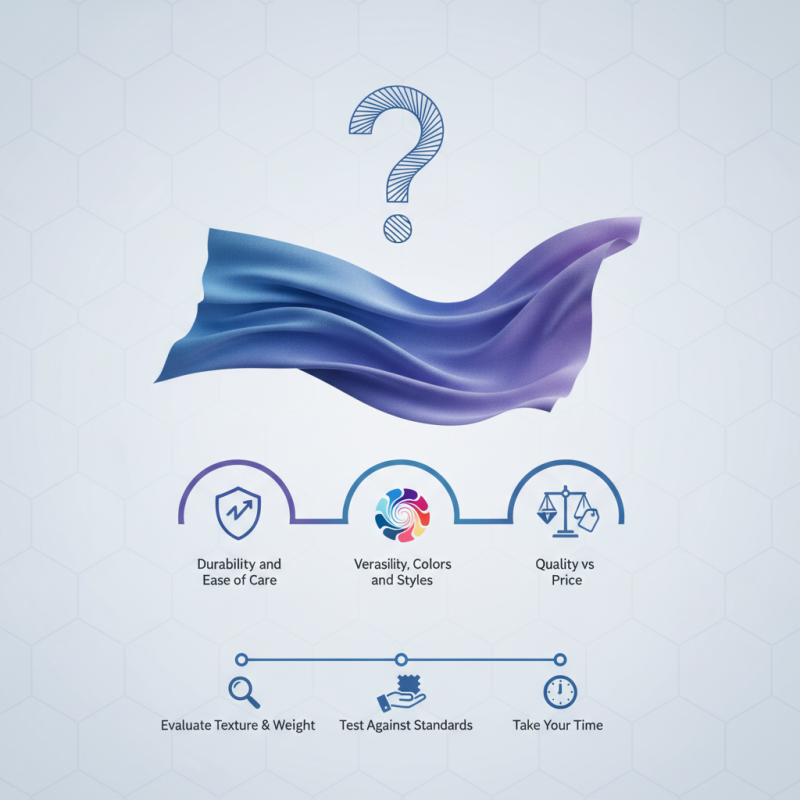
Choosing the right fabric is essential for fashion choices. Pure Polyester stands out in today's market. It offers durability and ease of care. This makes it a popular option for various clothing items.
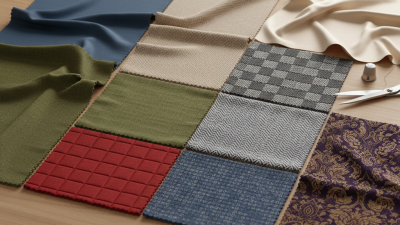
When you consider Pure Polyester, think about its versatility. It comes in countless colors and styles. This fabric drapes beautifully, enhancing any design. Yet, not all polyester is created equal. You must look for the best quality.
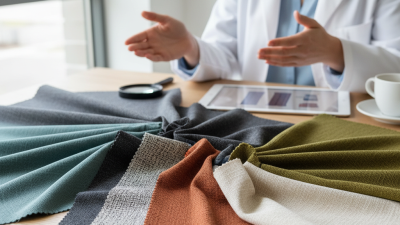
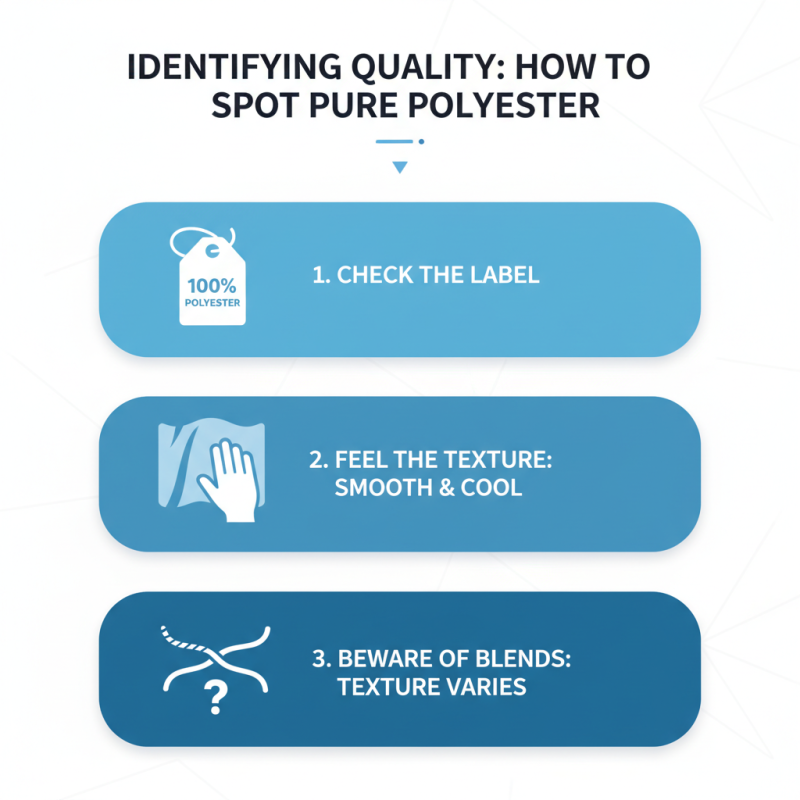
Some fabrics may feel cheap or thin. They could easily lose shape after washing. Evaluate the texture and weight of Pure Polyester before making a decision. It’s important to test it against your standards. Balancing quality with price is a common struggle. Take your time to find the right fit for your needs.
Understanding Polyester: Types and Characteristics
Polyester is a versatile fabric known for its durability and resilience. It comes in various types, each with unique characteristics. Understanding these differences is essential when choosing polyester for fashion needs. For instance, there’s basic polyester, often used in everyday clothing. It’s affordable and easy to care for, but may lack breathability.
Another common type is micro-polyester, which feels soft against the skin. It is lightweight and moisture-wicking. This type is ideal for activewear, helping to keep you dry during workouts. However, it might not always provide the warmth needed for colder climates.
Choosing the right polyester requires consideration of your specific needs. Reflect on your lifestyle and fashion preferences. Do you need something durable or lightweight? Sometimes, the best choice is not the most popular one. Balance functionality with style.
How to Choose Pure Polyester for Your Fashion Needs? - Understanding Polyester: Types and Characteristics
| Type of Polyester |
Characteristics |
Common Uses |
Advantages |
Disadvantages |
| Polyester Staple Fiber |
Soft, fluffy fibers; commonly used in textiles |
Clothing, upholstery, bedding |
Durable, resistant to wrinkles and shrinking |
Less breathable than natural fibers |
| PET (Polyethylene Terephthalate) |
High strength and durability |
Activewear, technical textiles |
Good moisture-wicking properties |
Can retain odors; less eco-friendly |
| Microfiber |
Very fine fibers that are soft and lightweight |
Sportswear, cleaning cloths |
Highly absorbent, quick-drying |
Can become greasy over time |
| Recycled Polyester |
Made from post-consumer plastic waste |
Fashion apparel, activewear |
Eco-friendly, reduces waste |
May have a higher cost |
Evaluating Fabric Performance: Durability and Care
When choosing pure polyester for your fashion needs, it's essential to evaluate the fabric's performance. Durability is key. Pure polyester is known for its strength and resilience. It resists stretching and shrinking, making it ideal for everyday wear. However, not all polyester is created equal. Some types might feel stiffer or less breathable, affecting comfort.
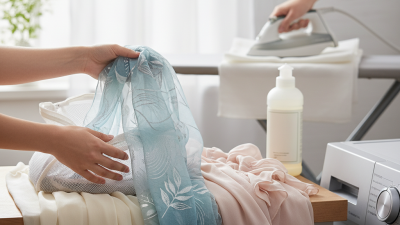
Caring for polyester can also influence its longevity. Washing in cold water helps preserve color and shape. Avoiding harsh detergents can prevent degradation of the fibers. Here are some tips: Always check the care label for specific instructions. Consider air drying instead of using a dryer, as heat can damage the fabric.
Despite its many advantages, pure polyester can sometimes feel clinging or hot in humid weather. This can be uncomfortable. Look for blends that combine polyester with other fibers for breathability. This might improve comfort while maintaining durability. Remember, comfort and aesthetics should go hand in hand.
Choosing the Right Weight and Texture for Fashion
Choosing the right weight and texture of pure polyester is crucial for fashion design. The fabric's weight can significantly affect drape and comfort. For instance, lighter weights around 60-100 GSM (grams per square meter) are ideal for summer collections. These weights provide breathability and ease of movement. In contrast, heavier polyester fabrics, such as those weighing over 200 GSM, are suited for winter wear. They offer warmth and structure.
Texture plays a key role in the perception of quality. Many consumers believe soft textures equate to luxury. A recent industry study indicated that 74% of buyers prioritize feel over other fabric attributes. However, the sheen of polyester can be misleading. Some polyester materials may appear high-end yet lack durability. This discrepancy can lead to dissatisfaction after a few uses. Understanding fabric finishes can help avoid such pitfalls.
Moreover, not all polyester is created equal. Variations in manufacturing processes create different finishes. Some might feel too plasticky, while others offer a more natural hand. Exploring different textures can enhance creativity. Yet, trends change frequently, making it challenging to forecast which styles will resonate with consumers. Keeping a pulse on market preferences is essential, but it can be unpredictable.
Sustainability Considerations When Selecting Polyester Fabrics
When selecting polyester fabrics, sustainability is key. The production of polyester has a significant environmental impact. According to the Ellen MacArthur Foundation, global polyester production could reach 400 million tons by 2030. This alarming statistic highlights the urgency of choosing responsibly sourced materials.
Recycled polyester, made from post-consumer plastic bottles, emerges as a more sustainable choice. It uses up to 59% less energy than virgin polyester, reducing carbon emissions. A recent report from the Textile Exchange indicates that using recycled polyester can decrease the overall environmental footprint. This shift can significantly reduce plastic waste.
Tip: Always check for certifications like GRS (Global Recycle Standard) when purchasing polyester. Certifications ensure that the materials were responsibly sourced. Additionally, consider the life cycle of the fabric. Polyester’s longevity is a plus, but recycling options should be available.
Choosing pure polyester should involve thoughtful evaluation. Many fabrics labeled as polyester may not be entirely pure. Understanding chemical treatments involved is essential. Strive for balance between quality and sustainability in your fashion needs.