How to Choose Pure Polyester for Your Next Project?
Choosing the right material for a project can be challenging. Pure Polyester stands out due to its durability and versatility. This fabric offers a balance of strength and flexibility, making it ideal for various applications. However, not all polyester is created equal.
When considering Pure Polyester, look for its specific qualities. The texture should be smooth yet sturdy. You might notice that some options feel different to the touch. It’s important to avoid choices that lack quality. Remember, not every supplier guarantees genuine Pure Polyester. Investigating the fabric's origin can be helpful.
Many projects depend on the right fabric choice. Whether it’s for fashion or home décor, Pure Polyester can elevate your design. Yet, even the best materials require careful handling. It’s vital to reflect on how your choices impact the outcome. Consider your project’s needs, and don’t rush the selection process.
Understanding the Characteristics of Pure Polyester Fabric
When selecting pure polyester for your next project, understanding its characteristics is key. This fabric is known for its durability. It resists wrinkles and shrinking, making it a popular choice. The texture can be smooth or slightly textured, providing versatility in design. It's a lightweight material, perfect for active wear or summer garments.
Polyester is also hydrophobic, which means it repels moisture. This can be both an advantage and a drawback. While it dries quickly, it may not be as breathable as natural fibers. Some people find it can feel sticky in hot weather. Additionally, polyester can hold onto odors more than cotton or linen. This is something to think about if you're planning on wearing it for extended periods.
Choosing pure polyester involves considering these factors. The vibrant colors and resistance to fading make it appealing. However, reflection on comfort and breathability is necessary. Some projects benefit from using blends instead. Exploring alternatives could enhance the overall quality of your project. Remember, the right fabric can impact the finish and wearability of your designs.
Identifying Different Types of Polyester for Specific Projects
When choosing polyester for a project, understanding its types is crucial. There are two main types: PET and PBT. PET is widely used due to its durability and versatility. It’s often found in clothing and home textiles. PBT, on the other hand, is softer and more flexible. It is preferred for applications needing stretch, like activewear.
Research shows that approximately 60% of polyester production is for textiles. This number underlines its popularity in the fashion industry. However, not all polyester is created equal. For example, recycled polyester is gaining traction. It’s made from plastic bottles and reduces environmental impact. Still, the quality can vary significantly based on manufacturing practices.
Sometimes, the choice isn't clear-cut. Some projects might benefit from a blend of polyester and other fibers. This can enhance performance but may introduce challenges in maintenance and durability. Always consider the project's requirements. Reflecting on these choices can save future headaches. Balancing cost, durability, and desired properties is key.
How to Choose Pure Polyester for Your Next Project? - Identifying Different Types of Polyester for Specific Projects
| Type of Polyester |
Properties |
Best Uses |
Care Instructions |
| Polyester Fiber |
Durable, resistant to shrinking and stretching |
Clothing, furnishings, and industrial fabrics |
Machine wash, tumble dry |
| Microfiber Polyester |
Soft, lightweight, and absorbs moisture |
Athletic wear, cleaning cloths |
Machine wash, avoid fabric softeners |
| Polyester Blends |
Combines properties of polyester and other fibers |
Casual wear, home textiles |
Hand wash or machine wash on gentle cycle |
| Recycled Polyester |
Environmentally friendly, similar properties to virgin polyester |
Sustainable fashion, outdoor gear |
Machine wash, cool iron |
| Polyester Film |
Thin, strong, resistant to moisture |
Packaging, laminations |
Wipe clean |
Evaluating the Quality of Polyester Materials
Choosing pure polyester for your next project involves careful evaluation of the material's quality. According to a recent Textile World report, around 70% of polyester production is synthetic, emphasizing the importance of selecting high-grade resources. Pure polyester should feel smooth and durable, avoiding any suspicious scratchiness. A reliable way to test quality is by checking its tensile strength. High-quality polyester typically features tensile strength above 5,000 psi.
When evaluating polyester, consider the fabric weight. Lightweight fabrics, around 2-4 ounces per square yard, are versatile for casual wear. Heavier fabrics, above 5 ounces, offer durability for outdoor applications. Always examine the fabric's weave. A tighter weave often translates to better quality and resistance to wear and tear.
Tip: Always request a sample before purchasing. This helps in assessing texture and durability. Look for certifications, such as OEKO-TEX, which indicate environmentally friendly practices.
Not every polyester is ideal for every project. Some may fade quickly, while others show pilling after washing. It’s crucial to compare different options and assess your specific needs. Remember, investing in quality materials can save time and effort in the long run.
Considering Environmental Impact and Sustainability of Polyester
When selecting pure polyester for your next project, consider its environmental impact. Polyester is made from petroleum-based resources, which raises concerns about fossil fuel consumption. Manufacturing processes generate significant CO2 emissions. This creates a dilemma for many eco-conscious consumers.
Sustainability in textile production is crucial. Look for options that use recycled polyester. Recycled materials reduce waste and lessen the reliance on virgin resources. However, not all recycled polyester is created equal. Some processes are more environmentally friendly than others. Researching the production methods can help you make informed choices.
It's also important to reflect on your usage of polyester. Is it durable enough for your needs? Will it hold up over time? Polyester can be less biodegradable than natural fibers. These factors complicate the sustainability narrative. Remember, each project contributes to a larger environmental footprint. Weighing fabric choices carefully can lead to more sustainable outcomes. Your choices matter.
Tips for Care and Maintenance of Polyester Fabrics in Projects
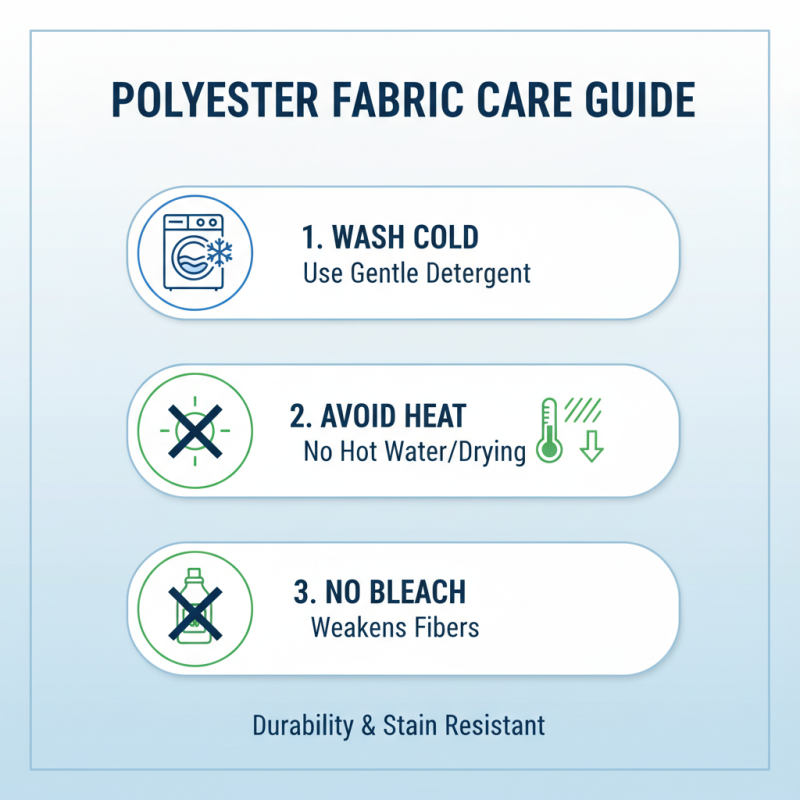
When working with polyester fabrics, care and maintenance are crucial for longevity. Polyester is known for its durability and stain resistance. However, it still requires attention. Regular cleaning is important. Use cold water for washing. Heat can cause damage. Avoid bleach; it can weaken fibers. Instead, try gentle detergents.
Storage is another key aspect. Store polyester away from direct sunlight. Sunlight can fade colors. A cool, dry place is ideal. For wrinkles, use a low-heat iron. Too much heat can ruin the fabric's texture. However, be cautious not to press too hard. It might leave marks.
Sometimes, polyester may absorb odors. A wash might not be enough. Try airing it out first. If that fails, a fabric refresher can help. But test it on a hidden area. This precaution can prevent any unpleasant surprises. Polyester can withstand many challenges, but it needs a little care to look its best.