How to Choose the Right Polyester Terry Fabric for Your Needs?
Choosing the right Polyester Terry fabric requires understanding its unique characteristics. Polyester Terry is known for its softness and durability, making it a top choice in various applications. According to a report by Textile World, the demand for such materials is on the rise, projected to grow by 5% annually. This highlights its importance in both the fashion industry and home textiles.
Polyester Terry fabrics are versatile, often used in towels, bathrobes, and activewear. Industry experts emphasize the significance of selecting the right weight and texture. A study from the American Association of Textile Chemists and Colorists states that consumers prioritize comfort and absorbency in their choices.
Nevertheless, navigating the myriad options can be challenging. Quality control can vary between manufacturers. Potential buyers should consider factors like blend ratios and fabric construction. Awareness of these nuances can lead to better purchasing decisions. Understanding the market's dynamics is crucial for making informed choices in the realm of Polyester Terry fabrics.
Understanding Polyester Terry Fabric: Composition and Properties
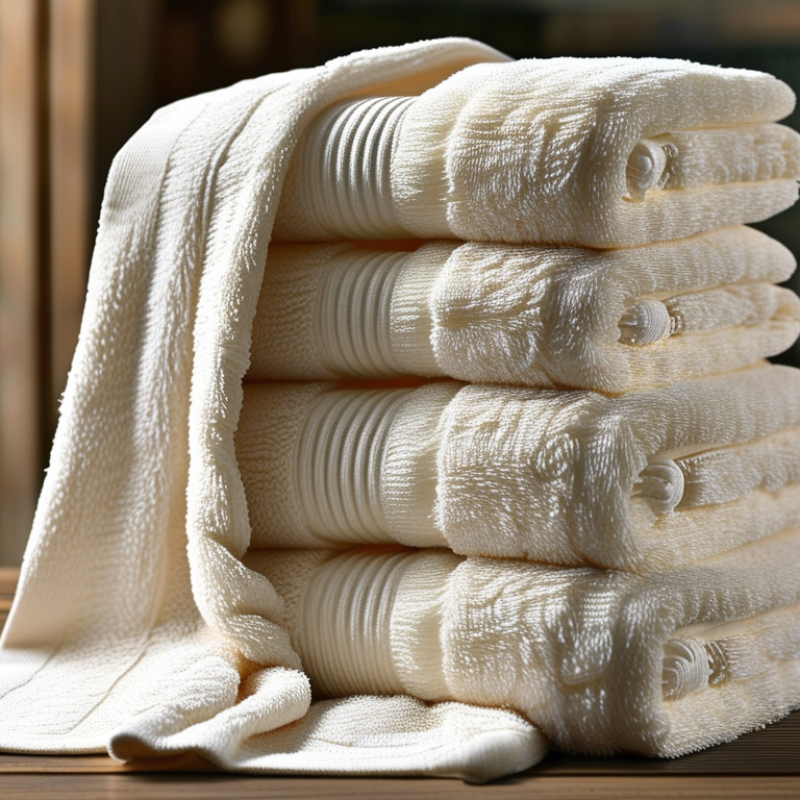
Polyester terry fabric is a unique textile known for its softness and durability. This material is composed of polyester fibers, which give it excellent moisture-wicking properties. It absorbs water quickly, making it ideal for towels and bathrobes. The plush surface also adds to its comfort. However, not all polyester terry is made the same. Different weights and pile heights can impact its feel and functionality.
When searching for the right polyester terry fabric, consider its intended use. Thicker fabrics provide more absorbency, while lighter options are more breathable. The fabric's resilience against shrinking and fading under frequent washing is another crucial factor. Additionally, various finishes can affect texture and appearance. Some fabrics may appear beautiful but lack durability. It's essential to evaluate how these components fit your needs realistically.
Experimenting with swatches can yield surprising results. One swatch may feel soft but could wear out quickly. Others may seem rigid but offer better longevity. Always weigh comfort against practicality. Polyester terry can be a versatile choice if chosen wisely, but it requires careful consideration to match your specific requirements.
Key Considerations for Selecting Polyester Terry Fabric for Projects
When selecting polyester terry fabric for your projects, several key considerations emerge. First, understanding the fabric's weight is crucial. The weight of polyester terry affects its absorbency and durability. Heavier fabrics offer enhanced absorbency, while lighter weights are more suitable for quick-drying applications. According to a report from the Textile World, fabrics with a weight of 300-400 GSM are ideal for towels, providing an effective balance between comfort and functionality.
Next, consider the texture and finish of the fabric. Polyester terry can come in various textures, impacting its softness and appearance. Smooth finishes may be more visually appealing, while looped textures enhance absorbency. Research suggests that consumers often prioritize comfort in fabrics. Surveys indicate that 70% of fabric buyers look for softness as a key factor in their purchasing decisions.
Choosing the right polyester terry also involves examining the material’s care requirements. Fabrics that are machine washable and quick-drying are preferable for convenience. Make sure to read fabric specifications before making a commitment. Pay attention to colorfastness and shrinkage rates to avoid disappointment down the line.
Think about your specific needs when choosing your fabric. Reflect on the end-use and functionality. Are you making bath towels, baby blankets, or décor? These questions guide you toward the right selection.
Polyester Terry Fabric Selection Criteria
This bar chart illustrates key criteria for selecting polyester terry fabric. The criteria include weight in grams per square meter (gsm), durability measured in cycles, moisture wicking ability (a percentage), softness rating (out of 10), and cost per yard in dollars. Understanding these factors can help make informed choices for your projects.
Analyzing Weight and Softness: Finding the Right Fabric Thickness
Choosing the right polyester terry fabric hinges on understanding its weight and softness. Fabric weight plays a crucial role in determining its application. Lightweight fabrics are typically softer and more suitable for items like towels or clothing. Heavier fabrics offer durability, making them ideal for upholstery or crafts. Evaluate your project requirements carefully.
Softness is another critical factor. The feel of the fabric can dramatically impact comfort. Consider how the fabric will be used. For example, garments require softer materials, while heavier towels may prioritize absorption. Testing samples can provide insight into how a fabric performs in real-world scenarios. Consider the blend ratios as well. Different polyester blends can yield varying softness levels, requiring careful evaluation.
In your quest for the perfect fabric, pay attention to feedback and reviews. Look for insights from professionals or users who have experience with specific weights and textures. While exploring options, remember that personal preference plays a vital role. Take time to reflect on what feels right for you. Finding the balance between weight and softness may take some trial and error.
Evaluating Durability and Care Requirements of Polyester Terry Fabrics
When evaluating polyester terry fabrics, durability is a key factor. This fabric is known for its strength and resilience. It can withstand frequent washing and daily wear, making it a practical choice for towels and clothing. However, not all polyester terry fabrics are created equal. Some may fray or lose their softness over time. Checking the quality of the fiber can help you avoid disappointment. Look for tightly woven materials with a nice thickness.
Care requirements are also important. Generally, polyester terry is easy to maintain. Most can be machine washed and dried without much hassle. Still, you should watch for specific care instructions. Some fabrics may require gentle cycles or low heat settings. Not all fabrics respond well to high temperatures. Ignoring care guidelines might lead to shrinking or fading. It’s wise to read labels carefully before making a decision. This attention to detail can save you from future regrets.
How to Choose the Right Polyester Terry Fabric for Your Needs?
| Fabric Type |
Durability Rating |
Care Requirements |
Common Uses |
| Lightweight Polyester Terry |
Moderate |
Machine wash cold, tumble dry low |
Loungewear, throw blankets |
| Mid-weight Polyester Terry |
High |
Machine wash warm, tumble dry medium |
Activewear, sports towels |
| Heavyweight Polyester Terry |
Very High |
Machine wash hot, dry clean generally recommended |
Robes, heavy-duty towels |
Applications of Polyester Terry: Choosing Based on Usage Needs
When selecting polyester terry fabric, consider its applications. This fabric is versatile and commonly used in towels, bathrobes, and activewear. Each application has unique requirements that impact the choice of the fabric.
The absorption capability of polyester terry makes it ideal for towels. According to industry reports, fabrics with a GSM (grams per square meter) of 400-600 provide excellent absorbency while remaining lightweight. For activewear, moisture-wicking properties are crucial. Look for fabrics with a blend of polyester and spandex to enhance flexibility and comfort. These fabrics often feature a unique weave that improves breathability.
Tips for making the best choice include checking the fabric's weight. Heavier fabrics may offer better durability but can feel bulkier. Evaluate the intended use and environment—some polyester terry fabrics are treated for UV protection, making them suitable for outdoor use. Not all polyester terry is the same; sampling different weights and weaves can help identify the perfect balance for your needs.