In today's textile industry, the choice of fabric can significantly impact the quality, durability, and aesthetics of the final product. Among the numerous fabric blends available, the Polyester Viscose Blend has gained popularity due to its unique combination of properties. This versatile blend marries the strength and resilience of polyester with the softness and drape of viscose, making it an ideal choice for various applications ranging from apparel to home furnishings.
When selecting the right Polyester Viscose Blend for your fabric needs, it is crucial to consider several factors that influence its performance and suitability. The ratio of polyester to viscose can vary, affecting the fabric’s feel, breathability, and maintenance requirements. Understanding these variations will empower you to make informed decisions that align with your specific project requirements. In this guide, we will explore essential considerations for choosing the ideal Polyester Viscose Blend, ensuring that your fabric choice not only meets functional demands but also enhances the overall aesthetic of your creations.
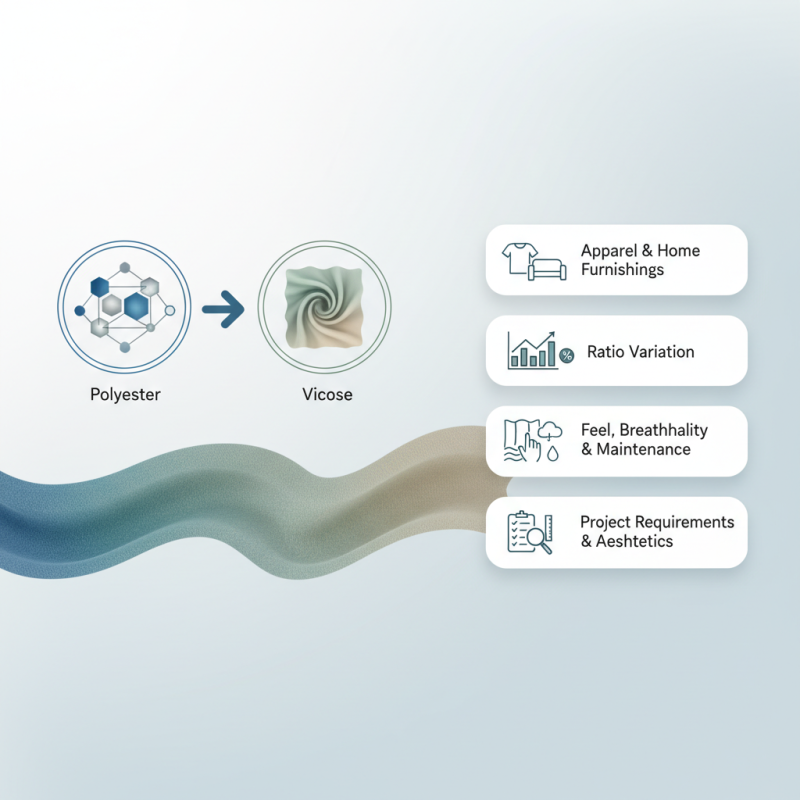
Polyester viscose blends are increasingly popular in the textile industry, offering a harmonious combination of comfort and durability. Polyester, a synthetic fiber, is known for its strength, resilience, and resistance to wrinkles and fading. Viscose, on the other hand, is a semi-synthetic fiber derived from natural cellulose, providing a soft and fluid touch. Together, they create fabrics that maintain the structural integrity of polyester while delivering the luxurious feel associated with viscose. According to the Textile World report, the global demand for polyester viscose blends in various applications, including apparel and home textiles, has surged by approximately 8% annually, reflecting their versatility and functionality.
When selecting a polyester viscose blend, it’s crucial to consider the specific needs for your project. Fabrics can vary significantly in their composition ratios, typically ranging from 30% polyester to 70% viscose, or vice versa. A higher polyester content often leads to increased durability and resistance to wear, while a greater proportion of viscose enhances breathability and comfort.
Tips: Always conduct a burn test to identify fiber content if you're unsure about the fabric attributes. Additionally, when washing, use cold water and a gentle detergent to prolong the life of these blended fabrics. Proper care can enhance their performance in both everyday wear and special circumstances, making the right choice essential for your fabric needs.
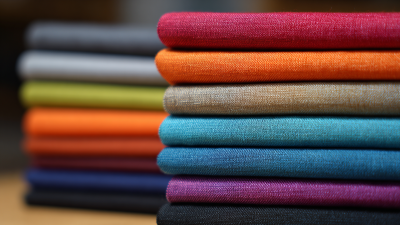
When selecting a polyester-viscose blend for your fabric needs, it's essential to understand the key properties of both fibers. Polyester is known for its durability and resistance to shrinking and stretching, making it an ideal choice for garments that require frequent wear and washing. Additionally, polyester has excellent moisture-wicking properties, which help to keep the fabric dry and comfortable against the skin. This makes it particularly suitable for activewear and everyday clothing where performance and longevity are crucial.
On the other hand, viscose, derived from natural cellulose, offers a soft and luxurious feel, akin to silk. It drapes beautifully and has a natural sheen, enhancing the aesthetic appeal of blended fabrics. However, viscose is more susceptible to wrinkles and may require careful washing to maintain its appearance. When blended with polyester, however, the combination leverages the best of both worlds: the softness and breathability of viscose with the durability and easy-care benefits of polyester. This synergy results in fabrics that are not only comfortable but also practical for everyday use, making them a popular choice for a wide range of textile applications.
| Blend Type | Polyester Percentage | Viscose Percentage | Key Properties | Best Uses |
|---|---|---|---|---|
| 65/35 Blend | 65% | 35% | Durable, wrinkle-resistant, soft feel | Shirts, dresses |
| 50/50 Blend | 50% | 50% | Balanced durability and comfort, breathable | Casual wear, uniforms |
| 80/20 Blend | 80% | 20% | High durability, low maintenance, good color retention | Activewear, outdoor clothing |
| 70/30 Blend | 70% | 30% | Soft and comfortable, good drape | Lounge wear, skirts |
| 90/10 Blend | 90% | 10% | Highly durable, minimal shrinkage | Workwear, industrial uniforms |
When choosing the right polyester viscose blend for your fabric needs, it’s crucial to consider the blend ratio carefully. The ratio of polyester to viscose significantly affects the fabric's characteristics, including durability, breathability, and comfort. Typically, a higher percentage of polyester in the blend will result in more wrinkle resistance and longevity, while a higher percentage of viscose will enhance softness and drape. Depending on the intended use—whether it’s for clothing, upholstery, or a craft project—the right balance between the two fibers can drastically alter the finished product's performance and feel.
Tips: When selecting a blend ratio, determine the primary function of your fabric. For activewear or items that require heavy use, lean towards a blend that has a higher polyester content for added strength and resilience. Conversely, if you are creating garments that demand more softness and a luxurious feel, consider a fabric with a higher percentage of viscose.
Another factor to consider is the care requirements of the fabric. Polyester is generally low-maintenance and can withstand washing without losing shape, while viscose may require more careful handling to maintain its appearance. Always check the care instructions and assess how much maintenance you’re willing to commit to before finalizing your choice.
When selecting the right polyester viscose blend, understanding the application scenarios can significantly enhance the decision-making process. Polyester viscose blends are popular in textile manufacturing due to their versatile properties, combining the strength and durability of polyester with the comfort and softness of viscose. For instance, a typical blend ratio of 65% polyester and 35% viscose is ideal for garments like shirts and blouses, where breathability and drape are essential. According to the Textile World report, this blend is projected to be a dominant choice for casual wear, accounting for nearly 25% of the market share in the apparel sector by 2025.
In the realm of home textiles, a different blend ratio may be required. A 50/50 polyester viscose blend is often used for upholstery fabrics, offering a balance between durability and comfort. The Textile Recycling report noted that such blends not only enhance the aesthetic quality of home furnishings but also contribute to sustainability efforts, as they can be more easily recycled than pure fabrics. Moreover, these blends are resistant to fading and wrinkling, making them ideal for high-traffic areas in homes. As market trends evolve, understanding these application scenarios will guide manufacturers and consumers alike in making informed choices about polyester viscose blends.
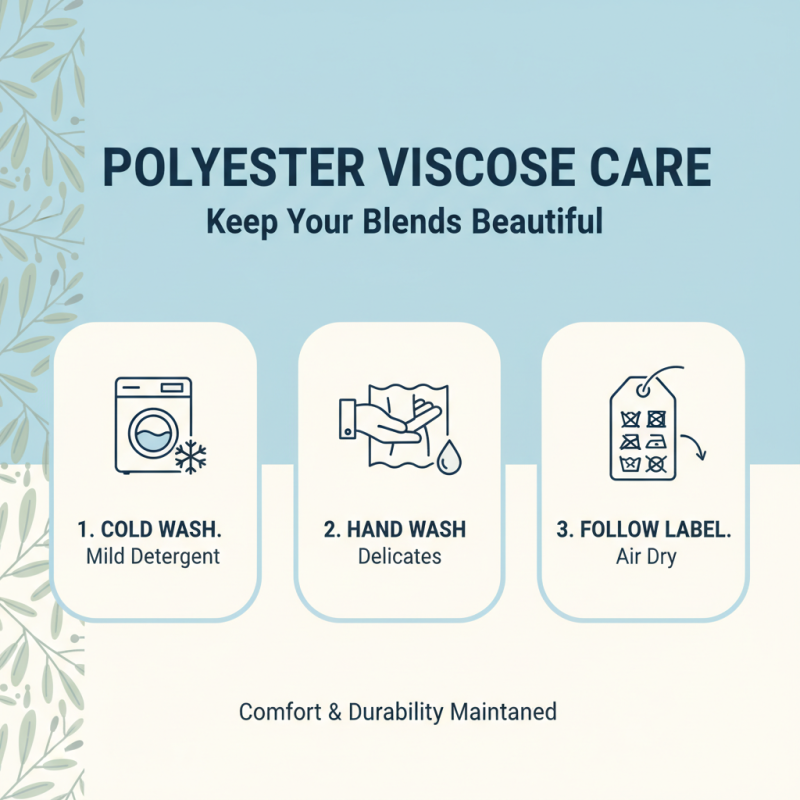
Polyester viscose blends are known for their comfort and durability, making them popular choices for a variety of clothing and home textiles. However, to maintain their quality and extend the lifespan of these fabrics, proper care and maintenance are essential. One of the primary recommendations is to follow the care instructions on the fabric label, which often suggests gentle washing methods. It is advisable to use cold water and a mild detergent to prevent damage and fading. Additionally, hand washing is preferred for delicate items, as it minimizes agitation that can cause pilling or wear.
When it comes to drying, avoiding high heat is crucial. Instead of using a dryer, opt for air drying to maintain the integrity of the fibers. If ironing is necessary, doing so on a low setting can help smooth out wrinkles without harming the fabric. It's also a good idea to turn the garment inside out before washing and ironing to protect the exterior from abrasion and preserve its appearance. By adhering to these care tips, you can enjoy the comfort and versatility of polyester viscose blends while ensuring they remain in excellent condition for years to come.