What is Polyester Terry and How is it Used in Fabrics?
Polyester Terry is a versatile fabric gaining popularity in the textile industry. Renowned textile expert, Sarah Thompson, once said, “Polyester Terry merges comfort with functionality.” This statement highlights the blend of softness and durability that defines Polyester Terry.
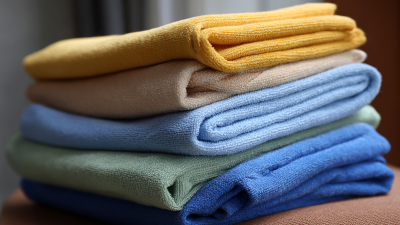
Constructed from polyester fibers, this fabric is known for its absorbent qualities. It is often used in bath towels, bathrobes, and activewear. Polyester Terry is favored for its ability to dry quickly, making it practical for everyday use. It resists shrinking and fading, offering longevity to garments and textiles.
Yet, the increasing demand for Polyester Terry raises important questions. Are synthetic materials overshadowing natural fibers? Could reliance on polyester lead to environmental concerns? These reflections remind us to consider the balance between innovation and sustainability in fabric production. The conversation around Polyester Terry and its broader implications continues to evolve.
What is Polyester Terry Fabric?
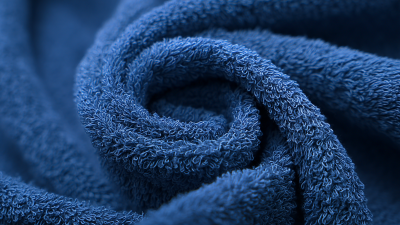
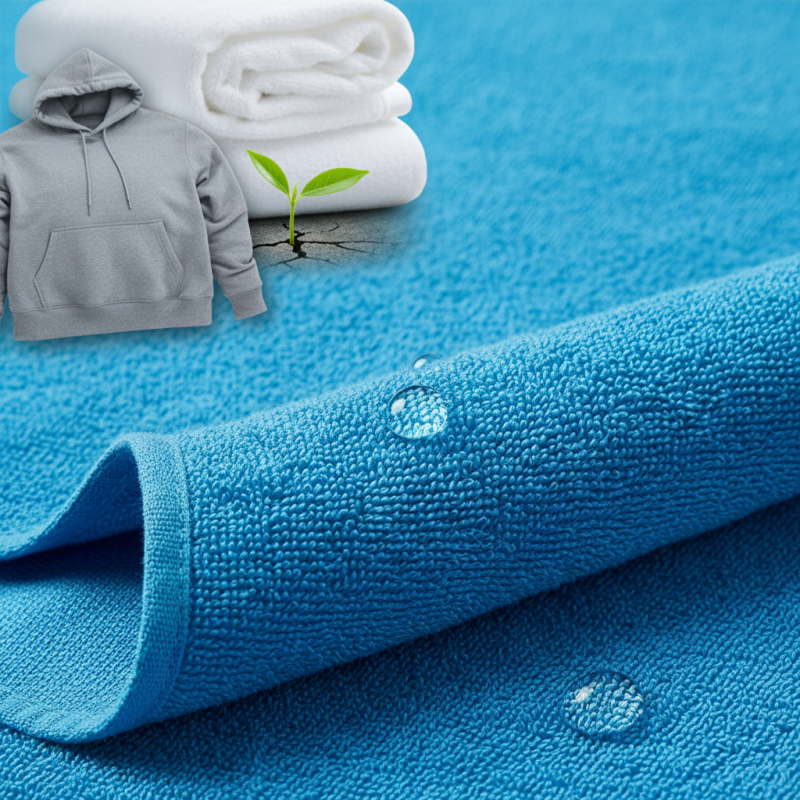
Polyester terry fabric is a unique textile known for its soft texture and absorbent qualities. Often used in towels and bathrobes, its plush surface feels cozy against the skin. The woven loops of polyester create a gentle, fluffy finish. This makes it a favorite for comfort-focused items.
However, there are some drawbacks to this popular fabric. Polyester is not as breathable as natural fibers. When worn in humid conditions, it can feel heavy and overly warm. Additionally, some people may find it irritating to sensitive skin. While it is durable, polyester terry can sometimes retain odors if not cared for properly.
Despite these imperfections, its versatility cannot be overlooked. Polyester terry is also used in activewear and outdoor gear. It offers moisture-wicking properties that appeal to athletes. Its lightweight nature adds to its charm. Exploring its uses reveals a fabric that balances comfort and practicality in a multitude of applications.
The Composition of Polyester Terry and its Characteristics
Polyester terry is a popular fabric often found in towels, bathrobes, and activewear. The composition of polyester terry primarily includes polyester fibers. This material is known for its strength, durability, and moisture-wicking properties. Reports show that polyester can withstand various washing conditions. It dries quickly, making it a practical choice for everyday use.
The texture of polyester terry is soft and absorbent, enhancing its appeal in household textiles. In addition, the fabric is often easier to care for than cotton. Polyester terry fabrics typically have good resistance to wrinkling and shrinking, making them ideal for busy lifestyles. According to the Textile Industry Report, over 60% of new textile developments focus on synthetics like polyester, reflecting the growing trend.
Tips: When selecting polyester terry products, check the fabric blends. Pure polyester can sometimes feel plastic-like. A blend may offer a softer feel. Always consider the care instructions; some weaves may require special handling. Lastly, while polyester terry is resilient, it can be sensitive to high temperatures—handle with care when washing and drying.
Composition of Polyester Terry Fabrics
This bar chart illustrates the composition of Polyester Terry fabrics, highlighting the primary material used (Polyester) as well as the secondary components such as Cotton and Rayon. Polyester is the dominant fiber, making up 70% of the fabric, which contributes to its durability and versatility in various applications.
Common Uses of Polyester Terry in Textile Products
Polyester terry is a versatile fabric widely used in various textile products. Its unique texture makes it suitable for different applications. This fabric is commonly found in towels, bathrobes, and sportswear. The soft and absorbent nature of polyester terry enhances comfort, making it a favorite choice for many consumers.
According to industry reports, the global demand for polyester textiles is projected to reach over 90 million tons by 2025. This increase is driven by polyester's affordability and durability. Many manufacturers are adopting polyester terry for its ability to withstand wear and tear, ensuring longevity in products. It is often blended with cotton to improve softness and moisture absorption.
Tips: When selecting polyester terry products, check the weight and density. Thicker options generally offer better absorbency. Keep in mind that fabric blends can affect durability. If you notice excessive pilling or fading, it may indicate a need for better quality or care. Consider how you will wash and maintain these products, as proper care can extend their lifespan significantly.
Advantages of Polyester Terry over Other Fabrics
Polyester terry is a unique fabric that combines softness with durability. It is made from polyester fibers, giving it a plush texture that feels great against the skin. This fabric is highly absorbent, making it ideal for towels and active wear. Its quick-drying properties also set it apart. This means less time in the laundry and more time enjoying its comfort.
One of the key advantages of polyester terry is its resistance to shrinking and stretching. Many fabrics lose their shape after multiple washes. Polyester terry, however, maintains its form, which is beneficial for everyday items. Additionally, it is stain-resistant, which makes it a practical choice for households. While some may find it less breathable than cotton, the trade-off is worth it for those seeking durability and ease of care. However, this lack of breathability might not suit everyone’s preferences.
Moreover, polyester terry can be less eco-friendly than natural fabrics. The production process involves synthetic fibers that take time to decompose. This raises concerns about sustainability. Consumers should consider these factors when choosing fabrics for their needs. Embracing polyester terry means weighing comfort against environmental responsibility.
Care and Maintenance Tips for Polyester Terry Fabrics
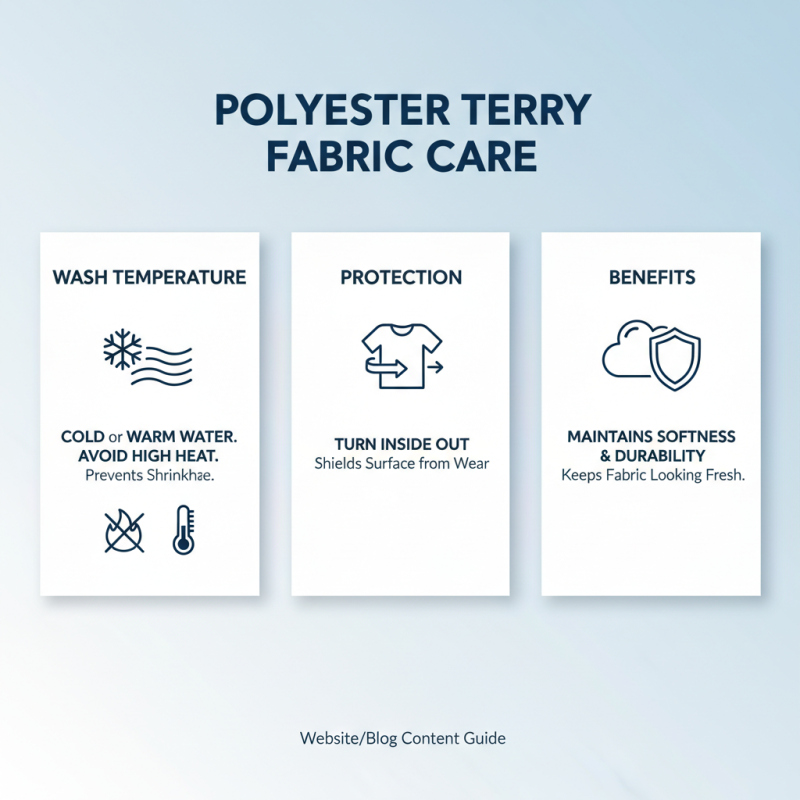
Polyester terry fabrics, known for their softness and durability, require special care to maintain their texture. To keep them looking fresh, avoid high heat when washing. Opt for cold or warm water instead. This prevents shrinking and preserves the fabric’s quality. It’s wise to turn polyester terry inside out before washing. This protects the surface from wear and tear.
Drying polyester terry can be tricky. Air drying is often best. If you use a dryer, set it to low heat. High heat can damage the fibers over time. Check for lint buildup in your dryer vent, as it can impact drying efficiency. Ironing is generally unnecessary, but if needed, use a low-temperature setting.
Stains do happen. Act quickly to treat them. Blot the stain gently; do not rub. Sometimes, spot cleaning with mild detergent helps. Testing a small, hidden area first ensures no discoloration occurs. Reflect on the fabric's behavior and adjust your care accordingly. With a bit of effort, your polyester terry items can last longer and stay looking good.