What is Polyester Terry Fabric and Its Benefits?
Polyester Terry Fabric is a versatile textile known for its softness and durability. It is widely used in various applications, from towels to clothing. The fabric's unique texture provides a plush feel, making it enjoyable against the skin. Many people appreciate how it absorbs moisture effectively, a valuable feature in activewear and home textiles.
Despite its many benefits, there are some concerns regarding its environmental impact. Polyester is a synthetic material, and the production process can be harsh on ecosystems. This raises questions about sustainability and responsible sourcing. Yet, advancements in recycling technologies are promising. Using recycled polyester can help address these environmental challenges.
The comfort of Polyester Terry Fabric makes it popular across many industries. However, consumers should consider the trade-offs. While it is easy to clean and maintain, it may not breathe as well as natural fabrics. This can be uncomfortable in certain situations. Thus, while enjoying its advantages, one should remain mindful of its limitations and choose wisely for their needs.
What is Polyester Terry Fabric?
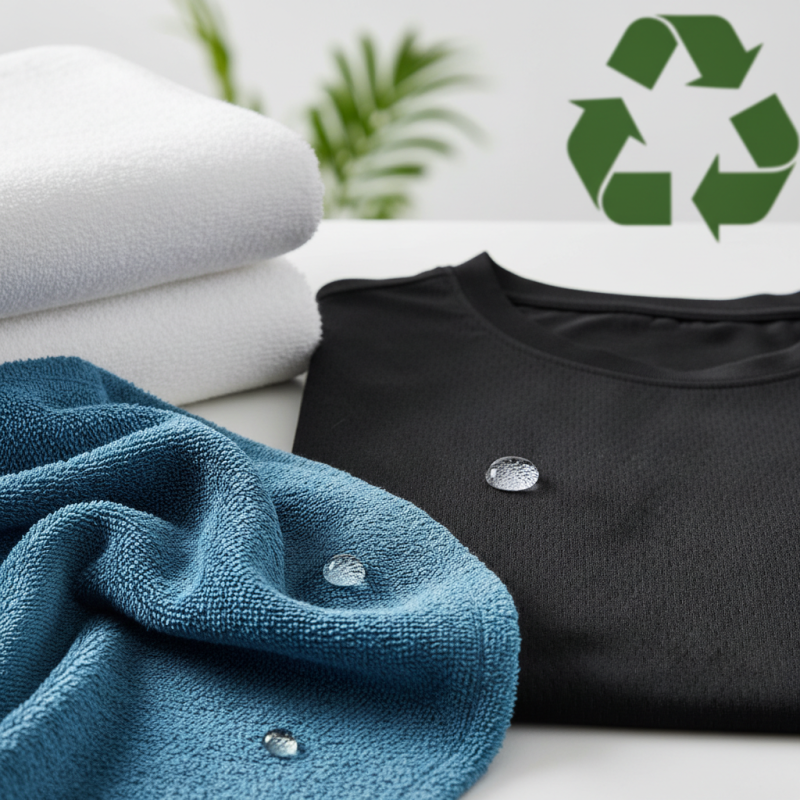
Polyester terry fabric is a unique textile known for its versatility and comfort. This fabric is a blend of polyester fibers, which gives it strength and durability. The terry weave features loops on both sides, making it exceptionally soft. This characteristic allows polyester terry fabric to absorb moisture well, adding to its appeal for various applications.
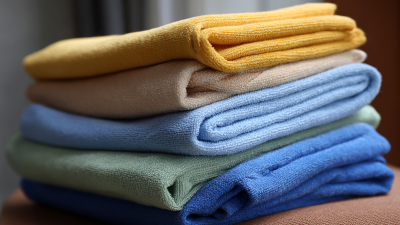
One common use of polyester terry is in towels and bathrobes. Its absorbent nature keeps you dry while maintaining a lightweight feel. This fabric also resists wrinkling and shrinking, making it a practical choice for everyday items. Additionally, it dries quickly, reducing laundry time after washing.
Tips: When choosing polyester terry fabric, look for double-sided options. These provide a softer touch against the skin. Be mindful of care instructions as some fabrics might require gentle washing. Always test a small area when introducing any cleaning products.
What is Polyester Terry Fabric and Its Benefits?
| Feature |
Description |
| Material Composition |
Made primarily from polyester fibers, with a looped texture for absorbency. |
| Softness |
Provides a plush feel that is comfortable against the skin. |
| Durability |
Highly durable and resistant to wear and tear, maintaining shape over time. |
| Moisture Absorption |
Excellent moisture-wicking properties, making it ideal for towels and sportswear. |
| Easy Care |
Machine washable and quick drying, requiring minimal maintenance. |
| Versatility |
Used in a variety of applications, from apparel to home textiles. |
| Cost-Effectiveness |
Generally more affordable compared to natural fibers, offering good value. |
The Composition and Structure of Polyester Terry Fabric
Polyester terry fabric is a popular material known for its soft texture and absorbent qualities. Its composition primarily includes polyester fibers, which are woven loops that create a plush surface. This unique structure makes it lightweight yet durable, with excellent moisture-wicking properties. The fabric is often used in towels, bathrobes, and other absorbent products, making it a versatile choice.
When caring for polyester terry fabric, consider these tips. Wash it in cold water to maintain its softness and color. Avoid using high heat when drying, as it can damage the fibers. For stubborn stains, pre-treat the area with a gentle detergent before washing. While polyester terry is durable, it's essential to handle it with care to prolong its lifespan.
Though many enjoy the benefits of polyester terry, it may not be suitable for everyone. Some people find synthetic fabrics uncomfortable. Additionally, the environmental impact of polyester concerns many consumers. It’s worth reflecting on these factors when choosing fabrics for personal use. Ultimately, understanding the composition and structure of polyester terry fabric can help you make informed decisions.
Key Benefits of Using Polyester Terry Fabric
Polyester terry fabric offers a range of advantages. Its unique construction provides excellent absorbency, making it ideal for towels and bathrobes. The fabric's looped surface allows it to soak up water efficiently, which is confirmed by the Textile Research Journal, stating that terry fabrics can absorb up to 20 times their weight in water.
Another benefit of polyester terry is its durability. This fabric resists wear and tear, making it perfect for daily use. Many households enjoy the longevity of polyester terry items. A report from the American Textile Manufacturers Institute highlights that polyester textiles generally have a lifespan at least 25% longer than natural fibers.
When using polyester terry, consider washing with cold water to save energy. Also, avoid excessive heat during drying; it can lead to fabric damage. This small action can prolong the fabric's lifespan. Remember, while it's easy to maintain, over time it can lose some softness. Regular refreshing can help keep it cozy. Choosing polyester terry can strike a great balance between function and comfort.
Common Uses and Applications of Polyester Terry Fabric
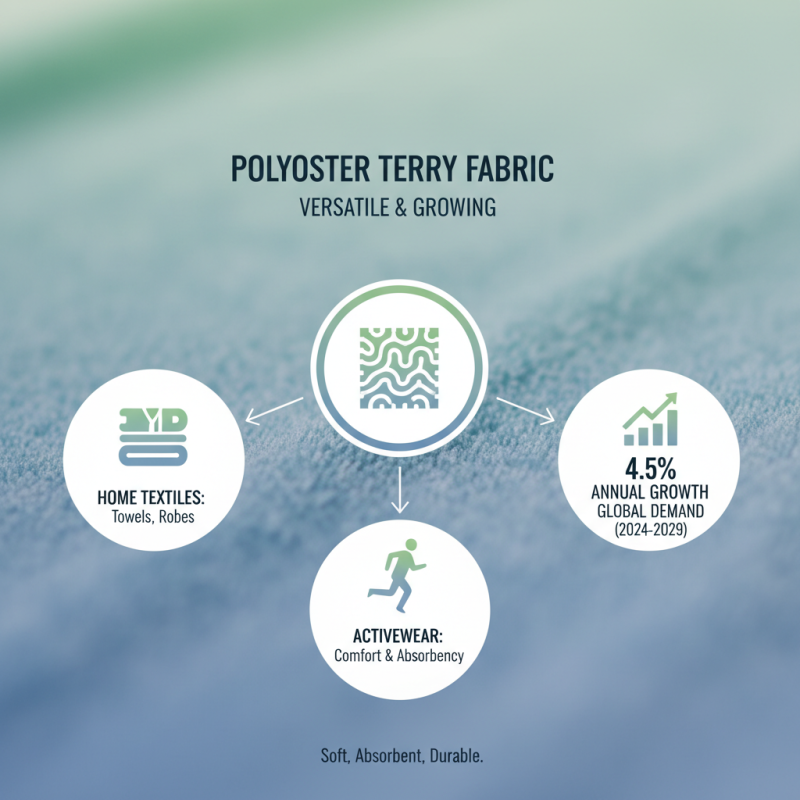
Polyester terry fabric is versatile and widely used across various industries. This fabric is characterized by its looped texture, making it absorbent and soft to the touch. According to industry reports, the global demand for polyester terry fabric is projected to grow at a rate of 4.5% annually over the next five years. This surge is driven by its application in towels, bathrobes, and activewear.
In residential markets, polyester terry fabric is favored for its durability and easy care. Homeowners appreciate its quick-drying properties, which help prevent mildew growth. In the hospitality sector, hotels utilize this fabric for linens and spa items. A study indicated that nearly 70% of hotels prefer polyester terry due to its long-lasting nature. However, some consumers express concerns over synthetic fabrics, linking them to environmental issues.
Polyester terry fabric is also popular in the fitness industry. Athletes benefit from its moisture-wicking abilities, which help keep them dry during workouts. Yet, there is an ongoing debate about the sustainability of these materials. Many manufacturers are exploring recycled polyester options. While progress is being made, challenges remain. The balance between comfort, durability, and environmental impact is still in flux.
Care and Maintenance Tips for Polyester Terry Fabric
Polyester terry fabric is popular for its soft texture and versatility. However, proper care and maintenance are crucial for its longevity. Regular washing is essential. Industry reports suggest that polyester fabrics can withstand many washes without losing quality. Yet, it's important to avoid high temperatures. Washing in cold water is recommended. This helps maintain the fabric's vibrant colors.
Drying polyester terry can be tricky. Air drying is often better for the fabric. If using a dryer, opt for low heat. High heat can lead to shrinkage or damage. It's also wise to keep zippers and hooks away during laundry. They can snag the fabric and cause distortions.
Stains on polyester terry should be treated promptly. Blotting, rather than rubbing, is crucial. Rubbing can spread the stain, making it harder to remove. Some reports highlight that oil-based stains are particularly stubborn. Using an appropriate stain remover can help. Reading labels on cleaning products ensures proper use. Regular maintenance not only extends the fabric's life but also keeps it looking fresh and appealing.