What is Polyester Terry Fabric and How to Use It?
Polyester Terry Fabric is gaining popularity in various industries. According to textile expert Dr. Emma Miller, "This fabric is versatile and durable, making it ideal for countless applications." Its unique texture makes it comfortable for clothing and absorbent for towels.
Despite its advantages, there are nuances to consider. The manufacturing process of Polyester Terry Fabric isn't always eco-friendly. Some consumers are becoming more conscious of their choices. They seek sustainable materials, questioning the long-term impact of synthetic fabrics.
Understanding Polyester Terry Fabric requires a blend of knowledge and experience. It offers soft comfort and practicality. However, it is important to weigh the benefits against environmental concerns. As the market evolves, so will the innovations surrounding this fabric.
What is Polyester Terry Fabric?
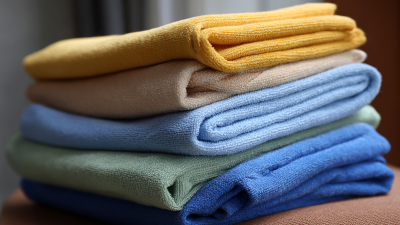
Polyester terry fabric is a type of textile recognized for its unique texture and functionality. It is made from polyester fibers, giving it durability and resistance to shrinking or fading. This fabric has a looped surface, akin to traditional terry cloth but lightweight. It is often used in various applications, including towels, robes, and activewear. Its easy-care nature makes it popular in household items.
When working with polyester terry, consider the weight. It can vary from lightweight to heavy options. For crafting projects, a lighter weight may be suitable for summer garments, while heavier versions work well for cozy wear. This versatility allows for a range of uses, but choosing the right weight is crucial for your project.
Tips: Always wash polyester terry before using it. This pre-shrinking step helps in achieving the best fit for your projects. For sewing, use a ballpoint needle. This needle type works well with knit fabrics, preventing snags. Lastly, be mindful of the care instructions, as some blends may require special handling to maintain their texture and appearance.
Characteristics and Properties of Polyester Terry Fabric
Polyester terry fabric is a unique blend of comfort and utility. It features a looped texture on one side, resembling traditional terry cloth, while the reverse side is smooth. This structure enhances its absorbency, making it ideal for towels, robes, and activewear. The durability of polyester ensures that it withstands daily use and frequent washing without losing its shape or softness.
The properties of polyester terry fabric contribute to its versatility. It dries quickly, which is essential for activities involving water. However, this rapid drying can sometimes lead to static cling. Polyester is also resistant to wrinkles and shrinkage, making it a user-friendly option. Yet, it is important to note that polyester may not breathe as well as natural fibers, which can be a concern in hot climates. These characteristics should be considered when selecting fabric for specific uses.
In practice, polyester terry can be used in various projects. Some may find it perfect for home textiles, while others prefer it for sportswear. Despite its advantages, be mindful of your local climate and usage needs. Understanding the pros and cons of polyester terry fabric will lead to better choices in design and production.
Common Uses of Polyester Terry Fabric
Polyester terry fabric is a unique textile that combines comfort with functionality. This fabric is known for its soft, absorbent qualities, making it ideal for a wide range of applications. According to a market report by Smithers Pira, the demand for polyester fabrics is projected to grow significantly, driven by their versatility and cost-effectiveness.
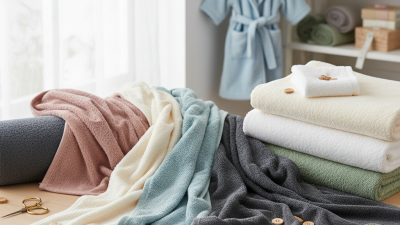
One of the most common uses of polyester terry is in bath towels and robes. Their high absorbency makes them perfect for quick drying. Textile experts at Cotton Incorporated reveal that around 70% of towels on the market are made from polyester blends, which contributes to their durability. This fabric is also favored in home furnishings, such as throw blankets and couch covers. Its easy maintenance appeals to consumers, although it may lack the eco-friendliness often desired in sustainable fabrics.
Polyester terry is also popular in activewear. Its lightweight and moisture-wicking properties make it suitable for gym towels or workout apparel. However, some consumers express concerns about the breathability of synthetic fabrics compared to natural fibers. Despite its benefits, it is worthwhile to reflect on the potential environmental impact. While polyester is recyclable, the reliance on synthetic materials suggests a need for more sustainable alternatives in the textile industry.
Benefits of Using Polyester Terry Fabric
Polyester terry fabric is known for its unique texture and durability. This fabric combines the best qualities of polyester with a looped design that enhances its absorbency. Many users appreciate the soft feel against the skin, making it ideal for a range of applications. Whether for towels, robes, or activewear, its comfort is a significant advantage.
One of the primary benefits of polyester terry fabric is its moisture-wicking ability. This means it can quickly draw sweat away from the body, keeping you dry and comfortable. Additionally, it dries faster than cotton, which is a huge plus for busy lifestyles. The fabric is also resistant to fading and shrinking, ensuring longevity with proper care. However, it may require careful washing to maintain its qualities, as some high temperatures can impact its texture.
Durability is another noteworthy feature. Polyester terry withstands wear and tear better than many natural fabrics. Yet, it’s essential to consider its breathability compared to cotton. On hot days, it might not be as comfortable. Overall, polyester terry fabric offers a balance of comfort, function, and wearability, making it a popular choice for various uses.
Benefits of Using Polyester Terry Fabric
Care Instructions for Polyester Terry Fabric
Caring for polyester terry fabric is essential for maintaining its softness and durability. This fabric is popular for towels and activewear due to its absorbency and warmth. Washing should be done in cool or warm water. Hot water can lead to shrinkage or distortion. Detergents without bleach or fabric softeners are the best choices. These can affect the moisture-wicking properties of the fabric.
After washing, air-drying is recommended. If using a dryer, select a low heat setting. High heat can damage the fibers over time. It’s important to avoid hanging the fabric directly in the sun, as this can fade the colors. If you notice pilling, a fabric shaver can help, but be cautious not to damage the fibers.
Storing polyester terry fabric should also be considered. Fold it gently and place it in a cool, dry area. Avoid heavy stacking, as this can lead to creases. Regular maintenance is key to prolonging the life of your fabric items. Take a few moments to check for stains or wear. Addressing these issues early can prevent larger problems later.
What is Polyester Terry Fabric and How to Use It? - Care Instructions for Polyester Terry Fabric
| Property |
Details |
| Composition |
100% Polyester |
| Weight |
200 - 400 GSM |
| Texture |
Soft and plush |
| Common Uses |
Towels, robes, blankets, and activewear |
| Care Instructions |
Machine wash cold, tumble dry low, avoid bleach |
| Shrinkage |
Low shrinkage properties |
| Color Fastness |
Good color retention |