What is Polyester Terylene and How is it Used in Industry?
Polyester Terylene, a synthetic polymer, plays a significant role in various industries today. According to a recent market report from Grand View Research, the global polyester market is projected to reach $63.4 billion by 2025. Its versatile nature makes it a preferred choice in textiles, packaging, and automotive applications.
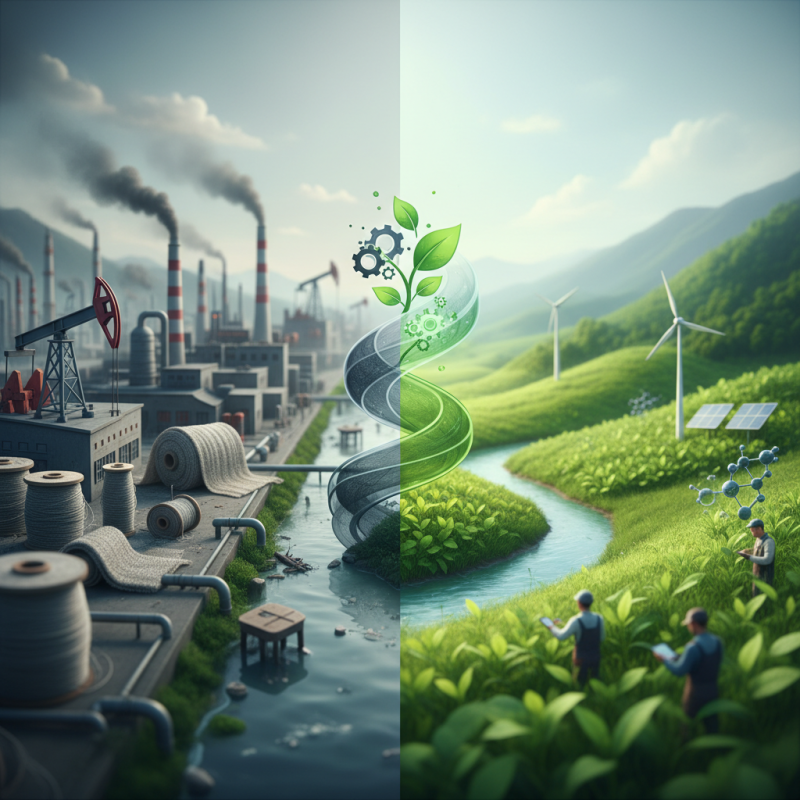
The efficiency of Polyester Terylene can often overshadow its environmental impact. While it is durable and resistant to stretching, the production processes can lead to pollution and resource depletion. The industry is now challenged to find solutions to reduce these negative effects. Reports indicate that nearly 60% of polyester production involves crude oil, raising concerns about sustainability.
Companies are actively seeking alternatives. Innovations like bio-based Terylene are entering the market. However, widespread adoption remains a challenge due to cost and performance comparisons. This dichotomy highlights the ongoing need for industry reflection on balancing functionality and environmental responsibility.
Definition and Composition of Polyester Terylene
Polyester Terylene is a type of synthetic fiber made from repeated units of ester in its polymer chain. Its chemical structure comprises terephthalic acid and ethylene glycol. This simple yet versatile combination creates a robust, resilient material. Terylene's density is approximately 1.38 g/cm³, making it lightweight yet durable. Consequently, its practical applications span textiles, packaging, and engineering.
In the textile industry, Terylene represents a significant percentage of polyester production, estimated at over 60%. This fiber's ability to resist wrinkles and fading makes it a favorite among manufacturers. Moreover, according to global market reports, the polyester fiber market is projected to reach around $95 billion by 2025, influenced by Terylene's unique properties. However, despite its benefits, environmental concerns arise regarding its biodegradability, which remains a challenge.
The use of Terylene in industrial applications extends to automotive and construction sectors. Its enhanced strength and temperature resistance make it suitable for various engineering components. Industry reports indicate a growing demand for Terylene in these fields, expected to increase by 4% annually. Reflecting on these advancements raises questions about sustainability practices. The ongoing need for innovation in recycling processes highlights an area requiring continuous improvement.
Usage of Polyester Terylene in Various Industries
The chart above illustrates the distribution of Polyester Terylene applications across various industries. The textile industry is the largest consumer, accounting for 40% of usage, followed by the automotive industry at 25%. Other notable applications include electronics, construction, and medical, each making up smaller segments of the overall usage.
Historical Development and Evolution of Polyester Terylene
Polyester terylene has a rich historical background that traces its origins to the early 20th century. In 1941, chemists at DuPont developed the first polyester resin. This marked a significant breakthrough in synthetic fibers. By the 1950s, polyester terylene became widely recognized for its durability and versatility. Manufacturers quickly adopted it for textiles, clothing, and various industrial applications.
Over the decades, the production of polyester terylene evolved significantly. The introduction of high-speed spinning technologies allowed for increased output, making it more affordable. This change revolutionized the fashion industry, leading to an explosion of colorful, durable clothing options. However, the environmental impact of polyester production poses challenges to the industry today. The synthetic nature of the fiber raises questions about sustainability and waste management.
As polyester terylene's popularity grew, so did the demand for innovation. Research into recycling methods aims to address these concerns. Companies are exploring processes to reclaim worn-out products. Reflecting on past practices helps the industry make more sustainable choices moving forward. The path of polyester terylene is one of impressive growth, but it also encourages deeper reflection on its future implications.
Key Applications of Polyester Terylene in the Textile Industry
Polyester Terylene is an essential material in the textile industry. Its lightweight and durable nature makes it suitable for various applications. One key use of Terylene is in making clothing. It is often blended with cotton to enhance fabric strength and wrinkle resistance. This blend creates garments that are not only comfortable but also easy to care for. Wearers appreciate how these fabrics maintain their appearance after several washes.
Beyond clothing, Terylene plays a significant role in home textiles. It is commonly used in upholstery, curtains, and bed linens. The fibers are resistant to fading and hold their shape well. This durability is particularly valuable in high-traffic areas. However, some manufacturers face challenges with the environmental impact of polyester production. The increasing focus on sustainability makes efficient recycling crucial for reducing waste.
In sportswear, Terylene stands out due to its moisture-wicking properties. Athletes prefer fabrics that keep them dry during intense activity. While Terylene offers these benefits, concerns about breathability can arise. It may not be as comfortable in hot weather as natural fibers. This poses a challenge for producers striving to meet diverse consumer demands while remaining environmentally conscious.
Industrial Uses of Polyester Terylene in Non-Woven Fabrics
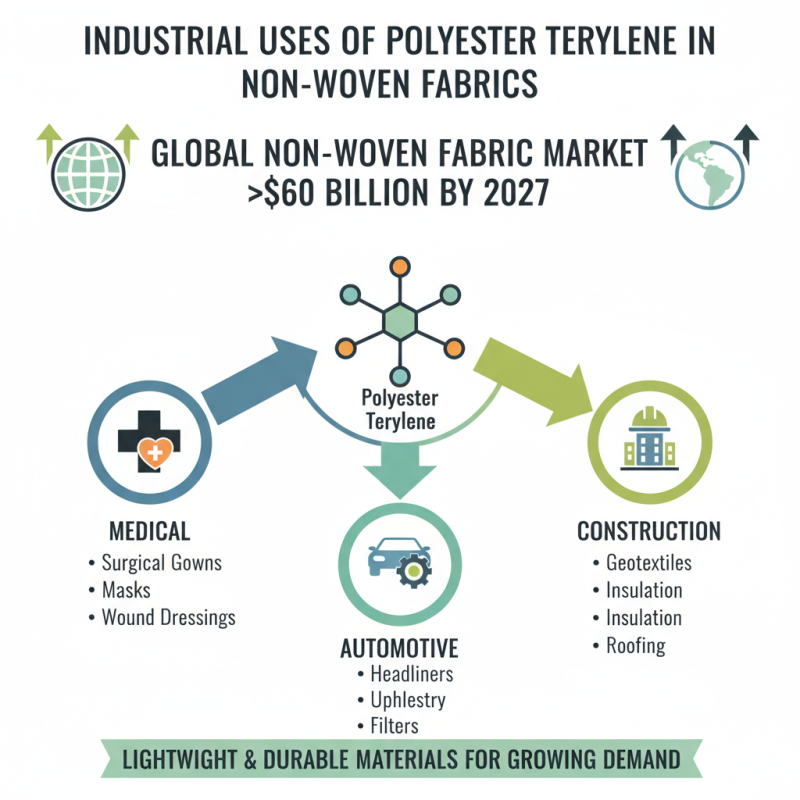
Polyester Terylene is widely utilized in the production of non-woven fabrics. These fabrics are crucial across various industries, particularly in medical, automotive, and construction sectors. According to a report by the Nonwovens Institute, the global non-woven fabric market is expected to surpass $60 billion by 2027. This growth emphasizes the importance of Polyester Terylene in meeting increased demands for lightweight and durable materials.
In the medical field, Terylene-based non-woven fabrics are often used for disposable gowns, masks, and surgical drapes. These fabrics offer excellent barrier properties and comfort. A study from Textiles Journal highlights that these non-woven materials reduce infection rates significantly due to their high filtration efficiency. However, the environmental impact of synthetic fibers raises questions. Recycling and waste management continue to be major concerns.
In automotive applications, Polyester Terylene contributes to car upholstery and insulation materials. It provides flexibility and is resistant to various chemicals. Data from the International Nonwovens Association suggests that about 70% of automotive manufacturers are shifting toward non-woven fabrics to enhance vehicle weight and fuel efficiency. Yet, the reliance on fossil fuels for production remains an ongoing challenge for sustainability in this sector.
Environmental Impact and Sustainability of Polyester Terylene Production
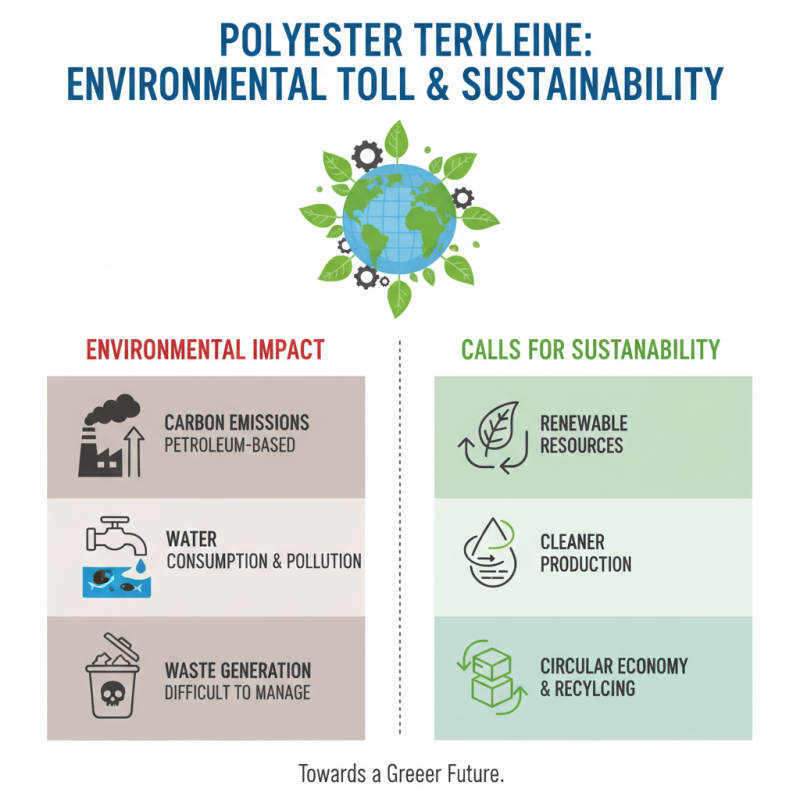
The production of Polyester Terylene has raised significant environmental concerns. The process often involves petroleum-based raw materials. These non-renewable resources contribute to carbon emissions. The manufacturing process also utilizes large amounts of water, which can lead to pollution in local ecosystems. Waste generated during production can be challenging to manage, prompting calls for more sustainable practices.
Tips: Consider the life cycle of synthetic fibers like Terylene. Look for brands committed to eco-friendly production methods. Recycling polyester is another vital step towards sustainability. Reducing consumption can lower overall demand for new materials. Supporting brands that prioritize sustainability can also make a difference.
Moving towards sustainability involves addressing these production issues. Innovations in bio-based alternatives show promise. However, the widespread use of polyester continues to raise red flags. For consumers, it’s crucial to be informed. Simple choices can reduce environmental impact. Seek transparency in production processes, and choose environmentally-friendly options when available.