What is Polyester Terylene and Why is it Popular?
Polyester Terylene has transformed the textile industry. This synthetic fabric, created in the 1940s, is renowned for its durability and versatility. According to Dr. Emily Chen, an expert in textile innovation, "Polyester Terylene stands out for its strength and easy care." Her insight reflects the fabric's ability to withstand wear and tear while remaining easy to maintain.
Over the years, Polyester Terylene has gained immense popularity. It is widely used in clothing, upholstery, and industrial applications. The fabric's lightweight nature and resistance to shrinking are attractive features for both manufacturers and consumers. However, the environmental impact of producing Polyester Terylene raises questions. The reliance on fossil fuels in its production process cannot be overlooked.
While Polyester Terylene offers significant benefits, it is essential to reflect on its shortcomings. The fabric does not biodegrade easily, contributing to long-lasting waste. This challenge prompts the industry to seek sustainable alternatives or improved recycling methods. As we embrace the advantages of Polyester Terylene, we must also confront these pressing concerns for a more responsible future.
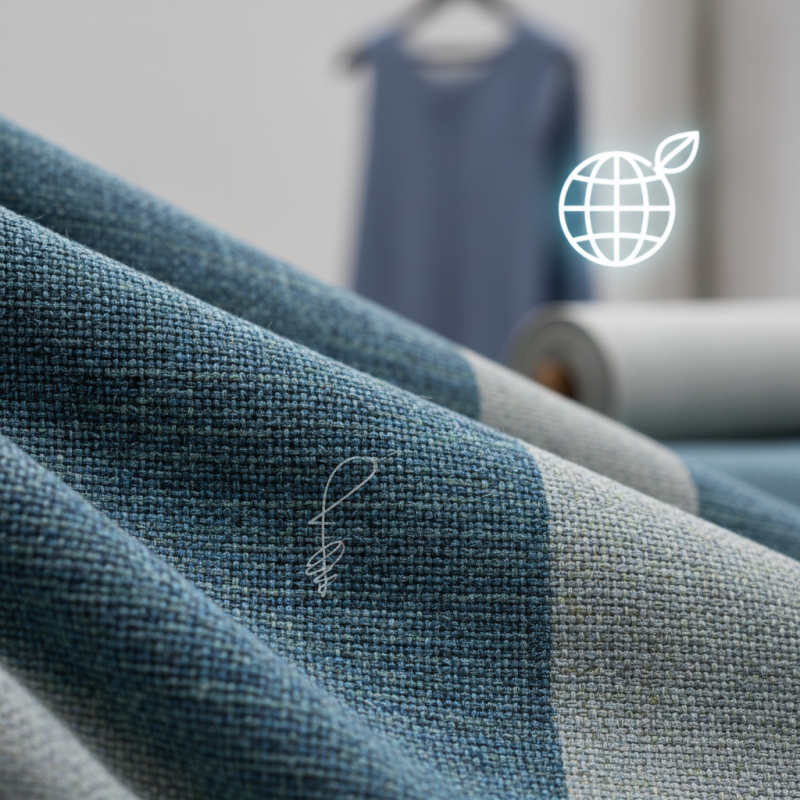
What is Polyester Terylene: Definition and Composition
Polyester Terylene is a synthetic fiber, renowned for its durability and versatility. Chemically, it is derived from polyethylene terephthalate (PET). This polymer is formed through a process called esterification, where terephthalic acid reacts with ethylene glycol. The result is a strong, wear-resistant fabric frequently used in clothing and upholstery.
One study from the Textile Federation highlighted that polyester fibers account for over 50% of the global fiber market. This staggering statistic reflects its popularity among manufacturers and consumers alike. The fiber's resistance to shrinking, stretching, and mildew makes it ideal for various applications. Moreover, its ability to retain color is a significant advantage in the textile industry.
Despite its many benefits, there are drawbacks to consider. The production of polyester contributes to plastic pollution, slowly degrading our ecosystems. Many critics argue that this environmental cost often overshadows the advantages of using the material. As consumers increasingly demand sustainable options, the industry may need to reconsider its focus on synthetic fibers like polyester. The challenge lies in balancing durability with ecological responsibility.
The History of Polyester Terylene Development
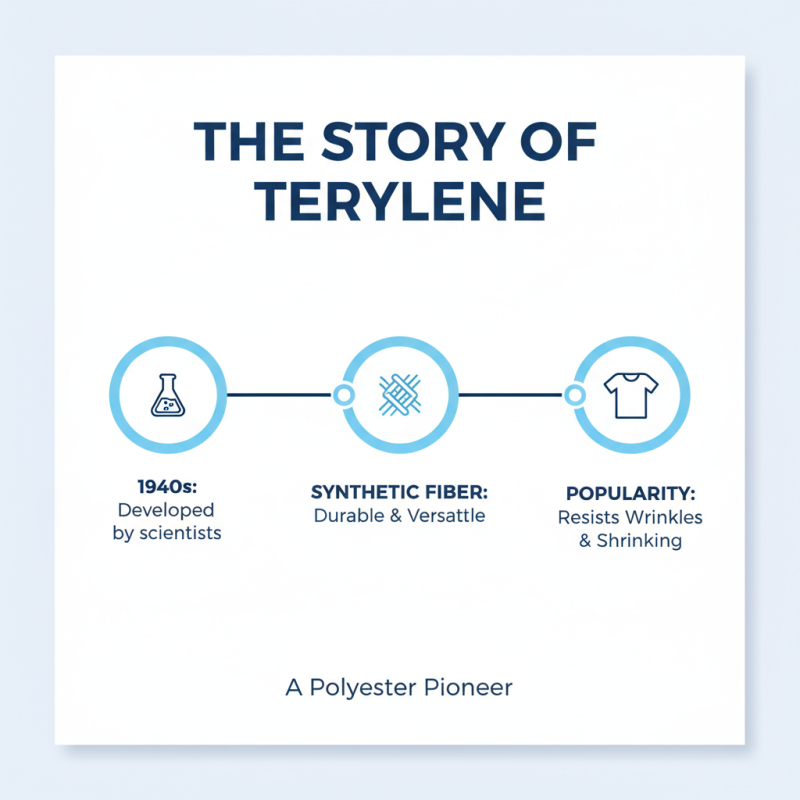
Polyester Terylene has an interesting history. It was first developed in the 1940s. Scientists aimed to create a synthetic fiber that could be durable and versatile. They succeeded with Terylene, a type of polyester. This material quickly gained popularity due to its strength and resilience. It resisted wrinkles and shrinking, making it perfect for clothing.
Over the years, Terylene saw various innovations. In the 1960s, the fabric became a favorite for many fashion designers. Its ability to hold vibrant colors caught attention. Yet, like any synthetic material, it drew criticism for its environmental impact. The production process involved significant energy use.
**Tip:** When choosing fabrics, consider their history and environmental effects.
Even today, Terylene is widely used. Many people appreciate its affordability and durability. Still, some urge a shift back to natural fibers to reduce waste. This tension between convenience and sustainability shapes the textile industry. It's a complex issue, with no easy answers.
**Tip:** Opt for blends that include natural fibers. They can offer comfort and breathability while retaining some benefits of synthetics.
Key Properties of Polyester Terylene and Their Benefits
Polyester Terylene is widely used because of its remarkable properties. This material is known for its durability and resistance to wrinkles. It withstands heavy use without losing its shape or color. Studies show that it remains strong even when wet. The fabric dries quickly, making it ideal for various applications.
Another key feature of Polyester Terylene is its versatility. It can be blended with other fibers, enhancing its qualities. This adaptability makes it suitable for clothing, upholstery, and industrial applications. Additionally, it can withstand high temperatures, which is quite an advantage while caring for garments. However, some may argue that it feels less breathable compared to natural fibers, leading to discomfort in certain weather conditions.
Sustainability is a growing concern. While Polyester Terylene is recyclable, its production process can be energy-intensive. Many are reflecting on the environmental impact it brings. Balancing its benefits against ecological considerations remains an ongoing discussion. Utilizing this fabric responsibly is essential for future generations.
Key Properties of Polyester Terylene and Their Benefits
Polyester Terylene is known for its impressive properties, making it popular in various applications, including clothing and upholstery. This chart illustrates five key properties: Durability, Moisture Resistance, Elasticity, Color Retention, and Wrinkle Resistance, along with their respective ratings. These characteristics contribute to the material's widespread use and favorability among consumers.
Common Uses and Applications of Polyester Terylene
Polyester terylene is a versatile synthetic fiber. It is widely used in textiles and various industries. According to a recent market report, the global polyester market reached approximately $70 billion in 2022 and is expected to grow. This growth indicates its importance in modern manufacturing.
Common applications of terylene include clothing, upholstery, and industrial materials. In fashion, polyester terylene offers durability and resistance to creasing. Fabrics made of this material are often lightweight and breathable. In home textiles, curtains and cushions benefit from its easy care and longevity. Reports suggest that polyester fibers are used in about 65% of all garments produced worldwide.
Beyond clothing, terylene plays a role in various industrial sectors. Its strength makes it suitable for ropes, nets, and other durable items. Notably, many companies are addressing sustainability challenges. The production of polyester can contribute to plastic waste. Hence, innovation in recycling polyester is crucial. Advances in this area may help mitigate its environmental impact. As industries adapt, terylene remains an essential yet complex material in our daily lives.
What is Polyester Terylene and Why is it Popular? - Common Uses and Applications of Polyester Terylene
| Use/Application |
Description |
Advantages |
| Clothing |
Used in shirts, dresses, suits, and sportswear |
Durable, wrinkle-resistant, and easy to care for |
| Home Textiles |
Used in curtains, upholstery, and bedding |
Resistant to fading, versatile, and available in various colors |
| Industrial Applications |
Used in conveyor belts, ropes, and tire reinforcements |
Strong, lightweight, and resistant to chemicals |
| Automotive Industry |
Used in car interiors, seat covers, and insulation |
Durable and able to withstand temperature variations |
| Packaging |
Used in food and product packaging |
Lightweight, moisture-resistant, and easy to mold |
Factors Contributing to the Popularity of Polyester Terylene
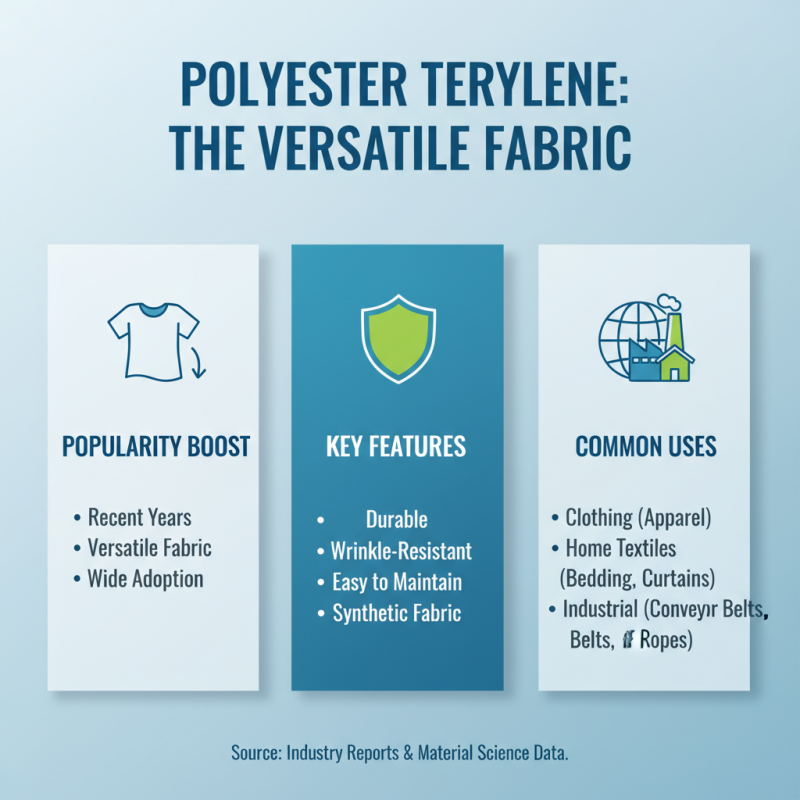
Polyester Terylene has gained immense popularity in recent years. Its versatility plays a significant role in this trend. This synthetic fabric is durable, resistant to wrinkles, and easy to maintain. It is a common choice for clothing, home textiles, and industrial applications.
One major reason for its popularity is its affordability. Many people appreciate that it provides good quality without breaking the bank. Also, Polyester Terylene is lightweight and breathable, making it suitable for various weather conditions. However, some individuals find it less comfortable compared to natural fibers. This can be a source of frustration for those sensitive to synthetic materials.
Another contributing factor is the fabric’s ability to retain color and shape. Vibrant hues stay bright even after multiple washes. Nonetheless, environmental concerns arise from the production process and disposal of polyester. Many consumers are beginning to reflect on these aspects. The balance between convenience and sustainability continues to shape the conversation around Polyester Terylene.