Top 10 Polyester Tricot Fabric Trends at Canton Fair 2026?
The 2026 Canton Fair is set to showcase the latest innovations in Polyester Tricot Fabric. As one of the most popular fabrics, Polyester Tricot is known for its durability and versatility. This event will attract suppliers and manufacturers eager to display unique applications of this fabric.
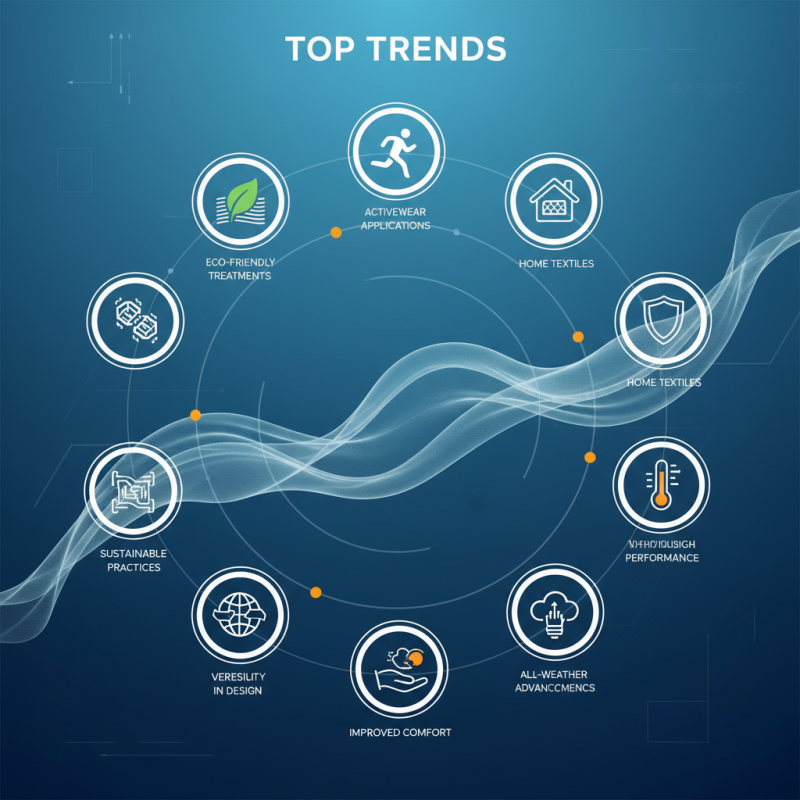
During the fair, visitors can explore trends in design and functionality. For instance, some exhibits will highlight eco-friendly treatments in Polyester Tricot. Others will focus on its uses in activewear and home textiles, revealing how it meets diverse consumer demands. The challenge lies in making these fabrics not just trendy, but also sustainable and comfortable.
As we anticipate these exciting developments, it's essential to reflect on the current limitations of Polyester Tricot. While it offers many advantages, the fabric's performance under varied conditions still warrants exploration. The trends showcased at the Canton Fair can inspire improvements in this area, pushing the boundaries of what Polyester Tricot Fabric can achieve.
Overview of Polyester Tricot Fabric and Its Applications
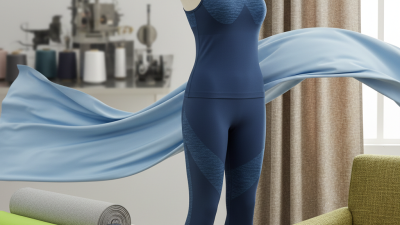
Polyester tricot fabric has gained popularity due to its versatility and functionality. Known for its lightweight and smooth texture, this fabric is often used in activewear and apparel. According to industry reports, the global polyester fabric market was valued at approximately $85 billion in 2022. It is projected to grow by 5% annually, driven by the demand in various sectors.
The use of polyester tricot is expanding in sportswear and intimate apparel. Its moisture-wicking properties make it favorable for athletes. A study by Textile World indicates that about 30% of sportswear is made from polyester blends. Sustainability remains a concern. Many manufacturers are striving to produce recycled polyester. However, the recycling process still has a long way to go. Innovations in the production process are necessary to improve sustainability.
Moreover, while polyester tricot fabric is trendy, certain challenges persist. The fabric can be prone to static and may not always be breathable. Many brands are experimenting with blending polyester with other materials to enhance comfort. Overall, continuous research and development are essential to harness the full potential of polyester tricot in fashion.
Current Trends in Polyester Tricot Fabric at Trade Shows
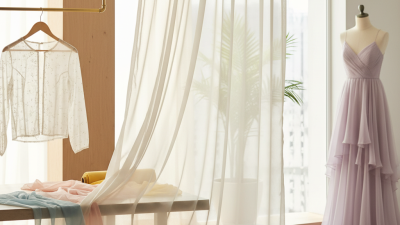
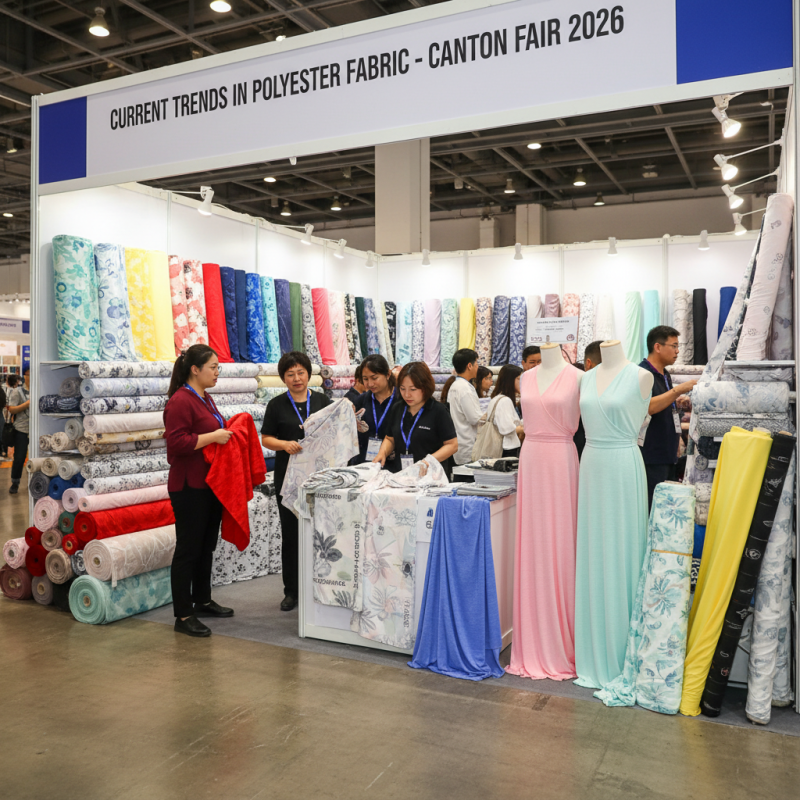
Polyester tricot fabric is gaining momentum in 2026, especially at trade shows like the Canton Fair. The fabric's versatility is appealing. An array of colors and patterns captivates visitors. Bright hues, subtle pastels, and unique designs catch the eye. Fabrics that blend comfort with style are trending. The texture is soft yet robust. It feels pleasant against the skin, making it a popular choice.
Another noteworthy trend is sustainability. Many manufacturers focus on eco-friendly production methods. This shift is commendable yet imperfect. Not all brands can guarantee complete sustainability. Challenges remain in sourcing recycled materials. Therefore, discussions about eco-credentials are essential. Additionally, some fabrics are blended with other materials to enhance performance. This mix often leads to unexpected results, raising questions about quality and durability.
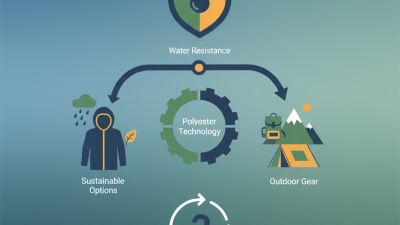
Innovation is a key theme in talks. Smart textiles are becoming popular, too. Fabrics that can regulate temperature or are water-resistant are exciting, yet not widely available. Trade shows showcase these advancements, sparking curiosity and enthusiasm. However, attendees sometimes leave confused about the real benefits. Balancing innovation with practicality is critical. Overall, the trends at Canton Fair reflect a dynamic industry aimed at progress, but there is still room for improvement.
Sustainable Practices in Polyester Tricot Manufacturing
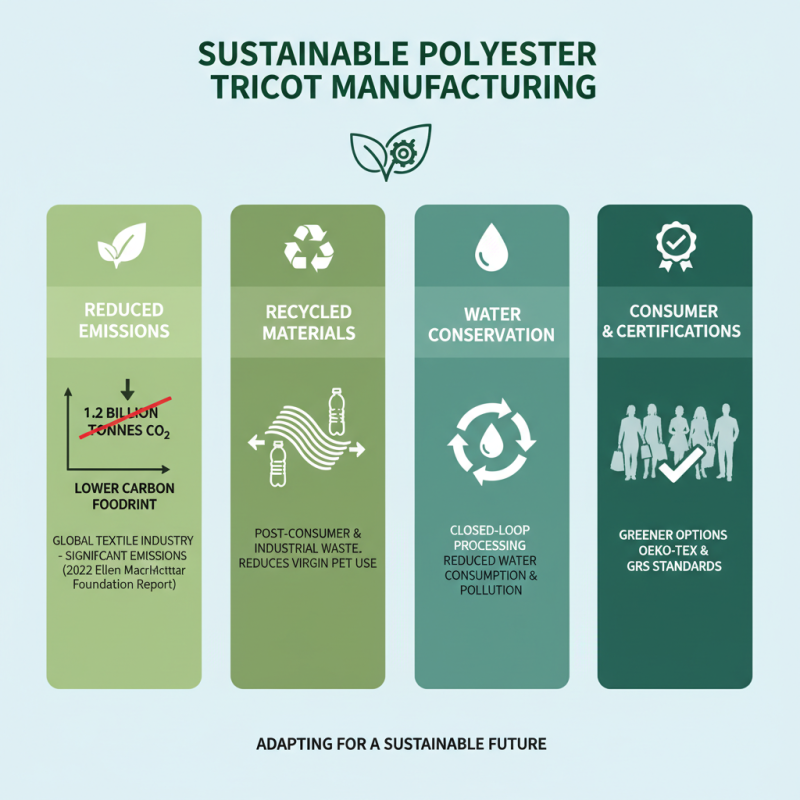
Sustainable practices in polyester tricot manufacturing are more important than ever. The global textile industry is responsible for a significant percentage of carbon emissions. According to a 2022 report by the Ellen MacArthur Foundation, the fashion sector emits over 1.2 billion tonnes of CO2 annually. As consumers demand greener options, manufacturers must adapt to these expectations.
Recycling is crucial in polyester tricot production. Recent studies indicate that using recycled materials can reduce energy consumption by up to 60%. While some companies utilize pre-consumer waste, others source post-consumer plastics. This shift demonstrates a commitment to circularity in fashion. However, challenges remain. Ensuring the quality of recycled fibers can sometimes be inconsistent. The industry must tackle these issues head-on.
Water usage is another area for improvement. Manufacturing polyester tricot can consume vast amounts of water, with some estimates showing up to 100 liters per kilogram of fabric. Innovative methods are being developed, but widespread adoption is slow. Brands need to prioritize reducing water usage in their processes. Transparency in these practices can build consumer trust and encourage responsible purchasing.
Innovative Designs and Patterns in Polyester Tricot Fabrics
The Canton Fair 2026 showcased notable trends in polyester tricot fabrics. Designers are exploring innovative patterns and textures. According to the Global Textile Market Report, the demand for polyester fabrics has surged by 22% in the past year. This growth is pushing manufacturers toward unique designs.
One standout trend at the fair was the use of bold colors and geometric patterns. These patterns attract younger consumers seeking modern aesthetics. Bright hues contrasted with muted tones, creating striking visual effects. However, some designs lacked practicality, leading to discussions on wearability. The challenge remains to find balance in style and functionality.
Sustainability also took center stage. Recycled polyester fabrics gained attention, with a 30% increase in production noted in recent reports. Yet, the limited variety in these fabrics raised concerns. Designers need to innovate further. Diversity in choice remains crucial for market expansion. Finding creative solutions will be essential for future success in the polyester tricot realm.
Top 10 Polyester Tricot Fabric Trends at Canton Fair 2026
Future Projections for Polyester Tricot Fabric in the Textile Industry
The polyester tricot fabric landscape is evolving rapidly. Recent reports indicate a projected growth rate of around 6% annually in the textile industry. This fabric is valued for its soft texture and durability. Manufacturers are increasingly adopting sustainable practices to meet consumer demand. The focus has shifted towards eco-friendly production methods, with recycled polyester gaining traction.
Tips: Consider sourcing polyester tricot from suppliers who emphasize sustainability. It’s a growing factor in consumer choices.
This trend reflects a broader movement in textiles toward environmental responsibility. By 2026, it is expected that around 30% of polyester fabrics will incorporate recycled materials. However, some manufacturers are still struggling with production costs, which can deter adoption. The balance between quality and sustainability remains a challenge for many in the industry.
Tips: Always request transparency from suppliers about their material sources. Know where your fabric comes from.
Top 10 Polyester Tricot Fabric Trends at Canton Fair 2026
| Trend |
Description |
Sustainability Focus |
Market Demand |
Projected Growth (%) |
| Eco-friendly Production |
Shift towards sustainably produced polyester tricot. |
High |
Increasing |
25% |
| Digital Printing |
Adoption of digital printing techniques for custom designs. |
Medium |
High |
30% |
| Moisture-Wicking Technology |
Incorporation of moisture-wicking properties for activewear. |
Low |
Very High |
40% |
| Lighter Weights |
Trend towards lighter fabric weights for better comfort. |
Medium |
Moderate |
20% |
| Antimicrobial Properties |
Fabrics treated to resist bacteria growth. |
High |
Increasing |
35% |
| Recycled Polyester |
Use of recycled materials to create tricot fabric. |
Very High |
High |
50% |
| Customization |
Increased demand for personalized fabric solutions. |
Medium |
High |
30% |
| Smart Textiles |
Integration of technology with fabrics for enhanced features. |
High |
Growing |
45% |
| Durable Fabrics |
Focus on durability for long-lasting products. |
Medium |
Moderate |
20% |
| Color Fastness |
Trend towards improved color retention and washability. |
Low |
High |
35% |