Polyester vs Cotton Which Fabric is Better for You
When it comes to choosing the right fabric, "Polyester V Cotton" sparks endless debates. Each fabric offers unique benefits and drawbacks. Understanding these differences is crucial for making informed decisions.
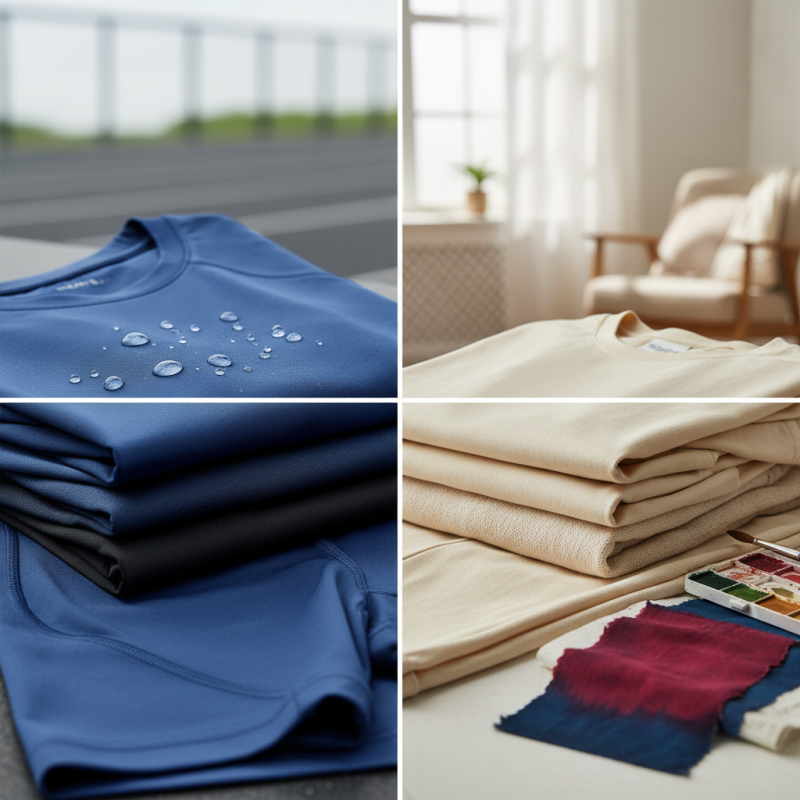
Polyester is known for its durability and wrinkle resistance. It's also moisture-wicking, making it ideal for athletic wear. However, some find it less breathable than cotton. This can lead to discomfort in hot weather.
On the other hand, cotton is soft and breathable. It's comfortable for daily wear and holds dye well. Yet, it can wrinkle easily and isn’t as durable as polyester. So, which fabric is better for you? The answer depends on your needs and preferences. Considering how these fabrics impact your lifestyle can help clarify the choice.
Overview of Polyester and Cotton Fabrics
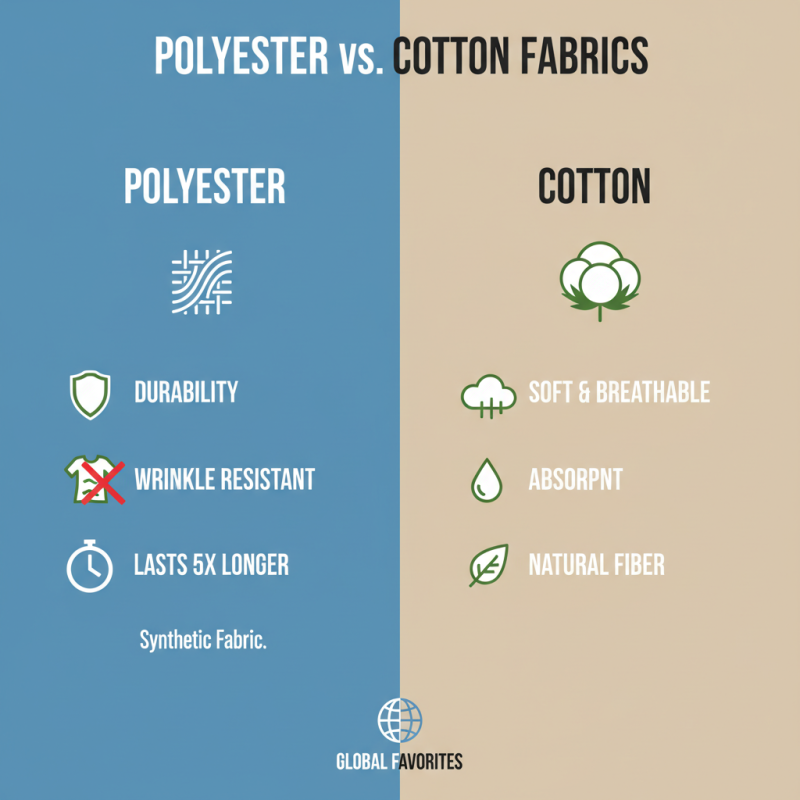
Polyester and cotton are two of the most popular fabrics in the world. Each has its own unique qualities and characteristics. Polyester is a synthetic fabric. It is known for its durability and resistance to wrinkles. According to industry reports, polyester can last up to 5 times longer than cotton under certain conditions. This makes it a favorite among those seeking longevity in their clothing.
Cotton, on the other hand, is a natural fiber. It is soft and breathable, making it comfortable for everyday wear. Approximately 75% of consumers prefer cotton for its comfort. However, cotton can shrink and wrinkle more easily. Additionally, it typically requires more water to produce. Reports indicate that the cotton industry consumes about 20,000 liters of water to produce just one kilogram of cotton.
Each fabric has benefits and downsides. Polyester’s environmental impact is significant, leading to rising concerns about sustainability. Cotton's pesticide usage can also be problematic. As consumers become increasingly aware, it’s vital to weigh both options. Each choice reflects personal values and priorities.
Key Properties and Characteristics of Polyester
Polyester is a synthetic fabric known for its durability and resistance to wrinkles. It is often used in various applications, from clothing to home furnishings. According to the Textile World Industry Report, polyester accounts for nearly 53% of the global fiber market. This popularity stems from its affordability and versatility. Unlike cotton, polyester does not shrink easily and maintains its shape well over time.
The moisture-wicking properties of polyester make it ideal for activewear. A study from the American Journal of Sports Medicine shows that polyester can effectively wick sweat away from the body, keeping wearers dry during physical activities. However, polyester is not biodegradable. This raises environmental concerns, making it essential to consider the fabric's life cycle.
In contrast, polyester can be susceptible to microplastic shedding in washing machines. Reports indicate that synthetic fabrics contribute significantly to ocean pollution. While polyester can last a long time, the impact on the environment should not be overlooked. Individuals seeking sustainable fabric options may want to weigh these factors carefully before making a choice.
Key Properties and Characteristics of Cotton
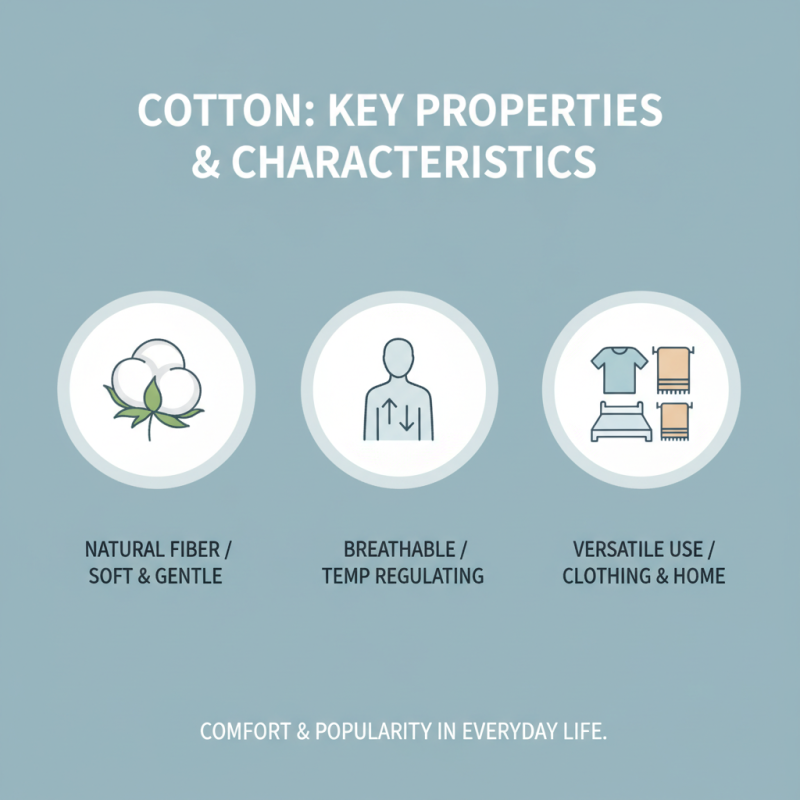
Cotton is a natural fiber known for its softness and breathability. It is commonly chosen for clothing, bedding, and more. When we touch cotton, it feels gentle and warm against the skin. This comfort makes it a popular choice in many households. People often prefer cotton for its ability to regulate body temperature, keeping you cool in summer and warm in winter.
One notable characteristic of cotton is its absorbency. It can hold moisture, which is beneficial for hot days or workouts. However, this absorbency can be a double-edged sword. Clothes might feel damp and heavy after sweating. Moreover, cotton wrinkles easily, requiring frequent ironing. It may not be the best choice for busy individuals who crave low-maintenance fabrics. Choosing cotton also means supporting sustainable farming practices, but keep in mind that its production can be resource-intensive.
Comparative Analysis: Durability and Maintenance
When comparing polyester and cotton, durability and maintenance come into play. Polyester is known for its strength. It resists shrinking and stretching, making it last longer. This material is also stain-resistant and dries quickly. A wet polyester garment dries much faster than cotton. This can be especially convenient for active lifestyles or if you live in humid areas.
On the other hand, cotton feels soft and breathable. However, it tends to stain more easily. Maintenance can be tricky. Cotton fabrics may fade over time and require more frequent washing. They often need to be ironed to maintain their crisp look. This can be a hassle for many people. Some prefer the durability of polyester despite its less soft texture. Finding the right balance between comfort and durability can be challenging, especially when personal preferences vary.
Polyester vs Cotton: Which Fabric is Better for You - Comparative Analysis: Durability and Maintenance
| Attribute |
Polyester |
Cotton |
| Durability |
High resistance to wear, tear, and fading |
Less durable, prone to shrinking and wrinkles |
| Maintenance |
Easy to clean, quick-drying |
Requires more care, prone to stains |
| Comfort |
Less breathable, can retain heat |
Soft, breathable, and comfortable to wear |
| Environmental Impact |
Made from petroleum; less eco-friendly |
Biodegradable, generally more eco-friendly |
| Cost |
Typically inexpensive |
Generally more expensive |
Environmental Impact and Sustainability Considerations
When considering the environmental impact of polyester and cotton, it's essential to look closely at their production processes. Cotton requires vast amounts of water. A single cotton t-shirt can consume up to 2,700 liters of water during its lifecycle. This fact highlights significant water scarcity issues in several regions. Moreover, conventional cotton farming relies heavily on pesticides. These chemicals can harm local ecosystems and biodiversity.
On the other hand, polyester, derived from petroleum, also poses environmental challenges. The production process emits large amounts of greenhouse gases. Reports indicate that producing one kilogram of polyester emits approximately 4 to 5 kilograms of CO2. Additionally, polyester is non-biodegradable and can take up to 200 years to decompose. This contributes to significant amounts of microplastics entering our oceans.
While recycled polyester is a more sustainable option, it still requires energy-intensive processes. The recycling of plastic bottles into polyester can save energy but does not entirely eliminate the environmental footprint. Ultimately, the choice between cotton and polyester requires careful consideration of water usage, emissions, and overall sustainability. Both fabrics have their drawbacks, and thoughtful consumer choices can help mitigate their environmental impact.