Polyester vs Nylon Which Fabric is Better for Your Needs
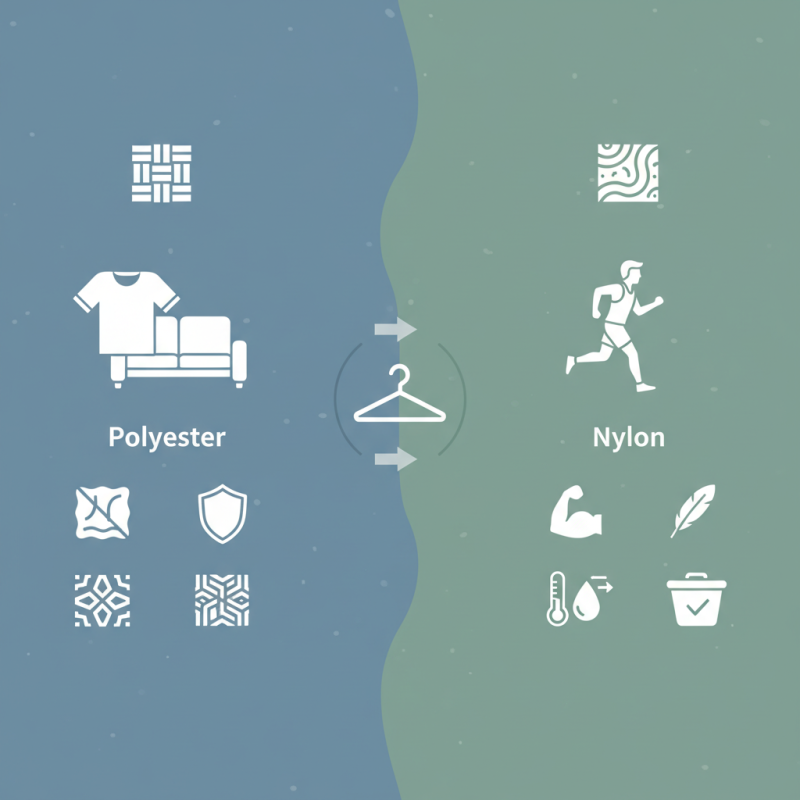
When it comes to choosing the right fabric for various applications, understanding the differences between Polyester V Nylon is essential. Both of these synthetic fibers have gained immense popularity due to their distinct properties, but they cater to different needs and preferences. Polyester, known for its durability and resistance to wrinkles, has become a top choice for everyday clothing and home textiles. On the other hand, Nylon is celebrated for its strength, elasticity, and lightweight nature, making it ideal for activewear and outdoor gear.
In this exploration of Polyester V Nylon, we will delve into the unique characteristics of each fabric, comparing their performance in terms of comfort, breathability, and maintenance. Whether you are considering fabrics for sportswear, fashion, or home decor, understanding these differences will help you make informed decisions based on your specific needs. By the end, you will have a clearer picture of which fabric might be better suited for your lifestyle and preferences, ensuring that you choose wisely for your next project or purchase.
Polyester: Properties and Benefits for Various Applications
Polyester is a synthetic fabric known for its durability and versatility, making it a popular choice across various industries. One of the key properties of polyester is its resistance to stretching and shrinking, which contributes to its longevity. According to a report from the Textile World Association, polyester retains its structure better than many natural fibers, leading to decreased maintenance costs and a longer lifespan of garments. This resilience has made polyester the fabric of choice for applications ranging from fashion to outdoor gear.
Additionally, polyester has excellent moisture-wicking properties, making it ideal for athletic wear. A study published in the Journal of Textile Research found that polyester fabrics can effectively draw sweat away from the body, keeping the wearer dry during physical activities. This functionality has propelled polyester to the forefront of the activewear market, which is projected to reach $400 billion by 2024 according to Grand View Research. Furthermore, polyester is highly versatile in terms of dyeing; it holds color well and is less prone to fading, which is particularly beneficial for items that require vibrant and long-lasting designs. These attributes underscore polyester's significance in both everyday apparel and specialized applications, catering to the diverse needs of consumers and industries alike.
Nylon: Key Characteristics and Advantages in Fabric Choice
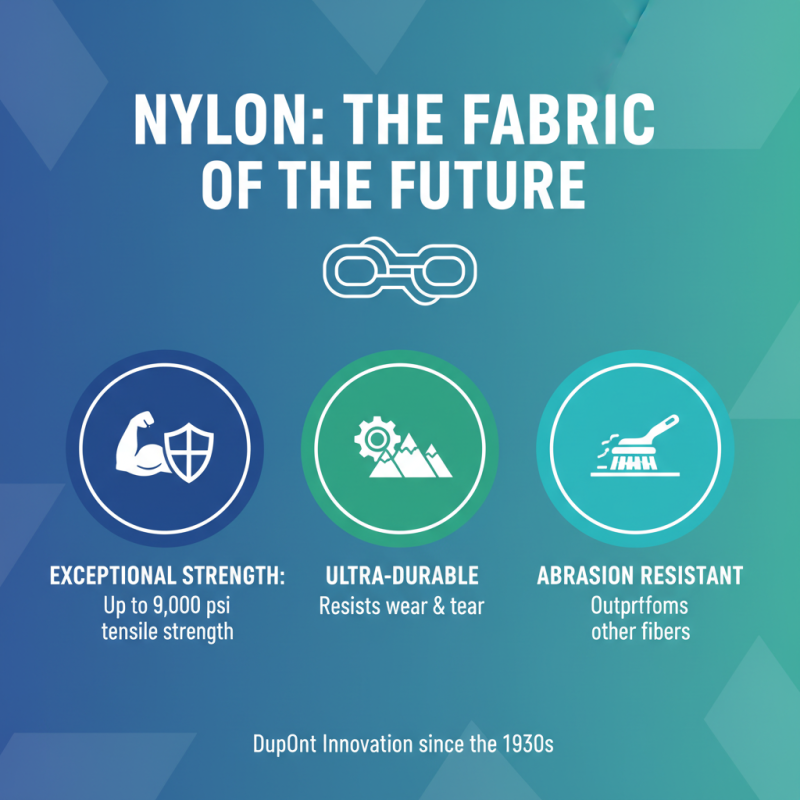
Nylon, a synthetic fabric introduced by DuPont in the 1930s, has gained immense popularity due to its unique properties and versatility. One of the key characteristics of nylon is its exceptional strength and durability; it boasts a tensile strength of up to 9,000 psi, making it one of the strongest fabrics available. This durability is particularly advantageous in applications where wear and tear are a concern, such as in outdoor gear and high-performance apparel. According to the Textile Research Journal, nylon also exhibits excellent abrasion resistance, outperforming many other synthetic and natural fibers, which further solidifies its status as a top choice in demanding environments.
Another significant advantage of nylon is its moisture-wicking properties, which play a crucial role in the performance of athletic and outdoor clothing. Research from the Journal of Sports Sciences indicates that nylon can absorb up to 7% of its weight in moisture and releases it quickly, allowing for better temperature regulation and comfort during physical activities. Moreover, nylon is inherently resistant to mildew and mold, which is especially important for outdoor applications. This combination of moisture management and resistance to environmental factors enables consumers to enjoy enhanced performance and longevity from their nylon garments, making it a highly favorable option for those seeking reliable fabric choices for active lifestyles.
Comparative Durability: Polyester vs Nylon Under Everyday Use
When it comes to fabric choice, both polyester and nylon deliver commendable durability under everyday use, yet they each have their unique characteristics that cater to different needs.
Polyester is known for its resilience and resistance to shrinking and stretching, making it an excellent choice for items that require longevity, such as outdoor gear and upholstery. According to the Textile World Industry Report, polyester fabrics can withstand extensive wear, proving particularly effective in applications where frequent washing is necessary, as they fade less and maintain strength over time.
Nylon, while similarly durable and abrasion-resistant, tends to excel in scenarios demanding superior elasticity and strength. A 2020 report from the American Fiber Manufacturers Association highlighted that nylon fibers, while slightly less resistant to UV degradation than polyester, provide greater tensile strength, making them ideal for activewear and items subjected to heavy loads. This makes nylon the preferred choice for applications where flexibility and stretch are crucial, such as in performance clothing.
Tips: When selecting between polyester and nylon, consider your specific use case. For items that need to endure harsh weather and frequent washing, polyester might be your best bet. If you require a fabric that can flexibly move with the wearer while offering high tensile strength—like in sports apparel—nylon could be the better option. Always check the care instructions to ensure longevity, regardless of your fabric choice.
Moisture Wicking and Breathability: How Each Fabric Performs
When evaluating the performance of polyester and nylon fabrics in terms of
moisture wicking and
breathability, it becomes crucial to understand how each material interacts with sweat and air.
Polyester, known for its hydrophobic properties, tends to repel moisture rather than absorb it.
This characteristic allows it to dry rapidly, making it a popular choice for athletic apparel and outdoor gear.
Research published by the American Textile Manufacturers Institute indicates that polyester can wick moisture away from the skin nearly
35% more effectively than cotton, promoting comfort during intense physical activity.
In contrast, nylon offers both strength and a degree of moisture absorption, but it is not as effective as polyester in moisture wicking.
According to a study by the Textile Research Journal, while nylon possesses good breathability, its moisture retention can lead to a
damp feeling against the skin if the fabric does not dry quickly enough.
This could be a critical factor for individuals engaged in high-intensity activities, where maintaining a comfortable and dry environment is essential.
Ultimately, choosing between polyester and nylon will depend heavily on the specific
requirements of the activity and the desired level of moisture control.
Environmental Considerations: Sustainability of Polyester and Nylon
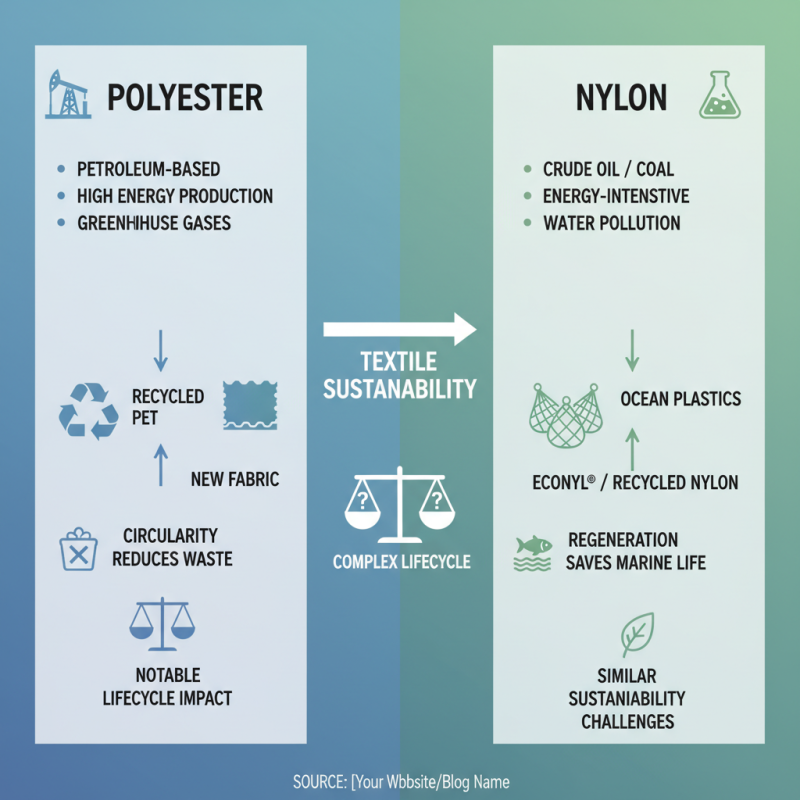
When considering the sustainability of polyester and nylon, it’s essential to examine their environmental impacts at different stages, from production to disposal. Polyester, often derived from petroleum, requires significant energy to produce and leads to considerable greenhouse gas emissions. However, advancements in recycling technology have enabled the reutilization of PET plastic bottles into new polyester fabrics, reducing the reliance on virgin materials and lowering waste in landfills. This circular approach presents a more sustainable option, but the overall environmental footprint is still notable when evaluated across the entire lifecycle.
Nylon, while typically regarded as a durable and high-performance fabric, also presents sustainability challenges. The production of nylon involves the use of fossil fuels and chemical processes that can be harmful to the environment. While there are efforts to develop bio-based nylons derived from renewable resources, these alternatives still account for a small fraction of total nylon production. Furthermore, both fabrics contribute to microplastic pollution through washing and wear, posing a significant risk to marine ecosystems. As consumers become more environmentally conscious, the choice between polyester and nylon increasingly hinges on the advances in their recycling methods and the potential for more sustainable manufacturing processes.