Polyester vs Nylon Which is Better for Global Buyers
When examining the textile industry, the debate of "Polyester vs Nylon" is crucial for global buyers. Both materials have distinct characteristics, influencing product selection in various applications. According to a report by MarketsandMarkets, the global polyester market is projected to reach over $107 billion by 2026, while the nylon market is forecasted to surpass $30 billion in the same timeframe. This data highlights the growing importance of understanding these fibers in a competitive marketplace.
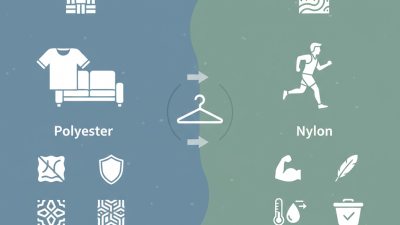
Polyester is known for its durability and resistance to wrinkles. It is an ideal choice for outdoor gear and fashion items alike. Meanwhile, nylon offers superior strength and elasticity, making it a preferred fabric for activewear. However, both materials have their downsides. Polyester can be less breathable than nylon, which may affect comfort in warmer climates. Conversely, nylon can be prone to abrasion, limiting its use in rugged conditions.
As buyers navigate these options, they must weigh performance against sustainability. Eco-conscious consumers are increasingly seeking recycled versions of these fibers. Understanding the nuances of "Polyester vs Nylon" can guide responsible choices. This consideration not only impacts product quality but also contributes to a more sustainable textile industry.
Polyester and Nylon: An Overview of Their Properties
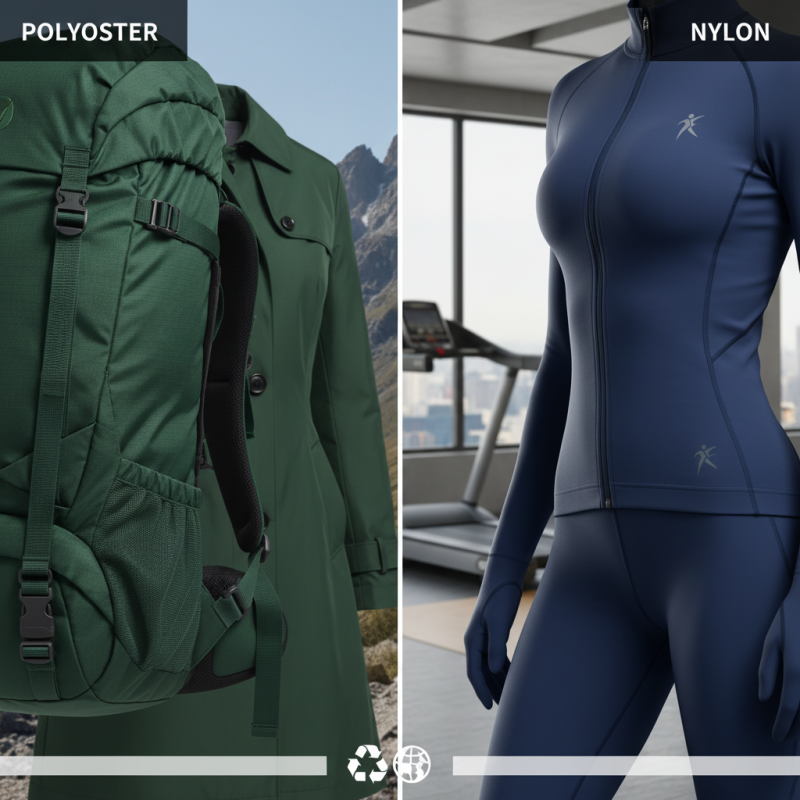
Polyester and nylon are both popular synthetic fabrics. They have unique properties that make them suitable for various applications. Polyester is known for its durability and resistance to wrinkles. It dries quickly, making it ideal for activewear and outdoor gear. On the other hand, nylon is often praised for its strength and elasticity. It is lighter than polyester, which can be an advantage in many situations.
When it comes to breathability, polyester generally falls short. It can trap heat and moisture, leading to discomfort. Nylon, however, excels in this area. It provides better ventilation, which is essential for athletic clothing. Yet, both materials can lack the natural feel that many consumers desire. This can be seen as a drawback when compared to cotton or wool.
In terms of environmental impact, both polyester and nylon pose challenges. Polyester is derived from petroleum, raising sustainability concerns. Nylon, while strong, also requires significant energy to produce. Consumers may want to reflect on these factors. The choice between polyester and nylon should consider personal needs and environmental factors. Understanding these properties can help buyers make informed choices.
Polyester vs Nylon: Properties Overview
| Property |
Polyester |
Nylon |
| Durability |
High |
Very High |
| Moisture Absorption |
Low |
Moderate |
| Absorbency |
Low |
Medium |
| UV Resistance |
Moderate |
High |
| Strength |
Moderate |
High |
| Elasticity |
Low |
High |
| Heat Resistance |
Good |
Very Good |
| Cost |
Lower |
Higher |
Durability Comparison: Polyester vs Nylon in Various Applications
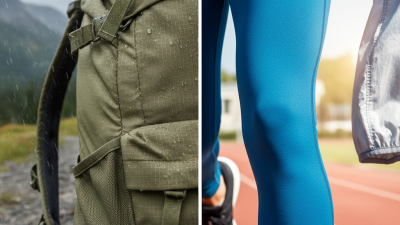
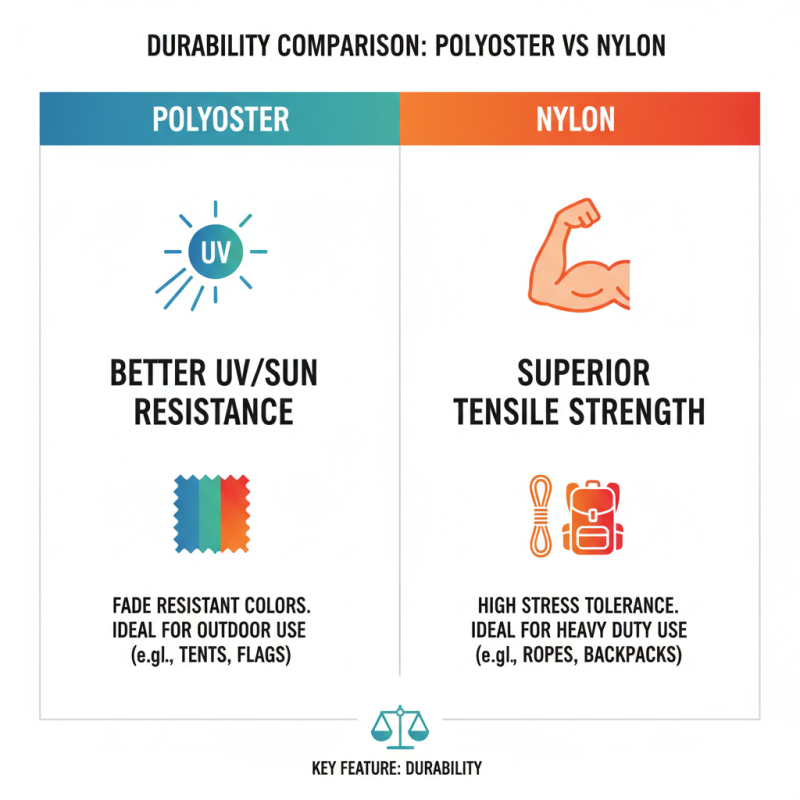
When comparing polyester and nylon, durability stands out as a key feature. Polyester generally shows better resistance to sunlight and UV damage. It holds its color well over time, making it popular for outdoor applications. On the other hand, nylon is known for its superior tensile strength. This property makes nylon ideal for items that experience heavy stress, like backpacks and ropes.
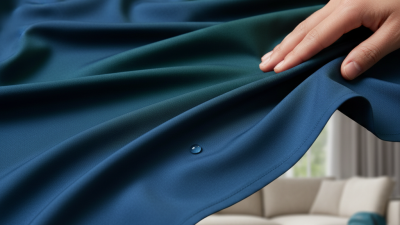
In terms of water resistance, nylon outperforms polyester. This characteristic is crucial for outdoor gear exposed to rain. However, polyester dries quicker after being wet. This makes polyester a suitable choice for garments that need to stay lightweight and breathable. Durability also depends on the specific blend and weave of the materials used. In some cases, a combination of both can provide balanced characteristics.
Users often find that while polyester may fray over time, nylon can become weaker if subjected to intense UV exposure. Each fiber has its strengths and weaknesses that demand careful consideration depending on the intended use. For example, heavy-duty applications might favor nylon, while casual outdoor wear could lean towards polyester. Making a choice should involve evaluating the specific needs of the project.
Cost-Effectiveness: Evaluating Polyester and Nylon for Global Buyers
When evaluating polyester and nylon, cost-effectiveness is key for global buyers. Polyester traditionally offers lower production costs, with market reports indicating that it can be 10-20% cheaper than nylon. This pricing advantage makes polyester appealing for bulk purchases, especially in fast-fashion industries where margins are tight.
Nylon, while often more expensive to produce, brings unique benefits. Its superior strength and elasticity contribute to longer-lasting products. According to a recent study by the Fibre and Textile Research Institute, nylon fabric can withstand 20% more abrasion compared to polyester. This durability can justify the higher cost in specific applications, particularly in outdoor gear and performance wear.
Market dynamics also influence these materials' cost-effectiveness. Fluctuations in raw material prices affect both nylon and polyester, which can lead to unexpected cost variations. Buyers need to assess long-term value rather than just initial costs. Sustainable practices in production are another factor to consider. Environmentally friendly processes can raise prices but yield benefits in brand loyalty and consumer appeal. Understanding these nuances is critical for making informed decisions.
Cost-Effectiveness: Evaluating Polyester and Nylon for Global Buyers
Environmental Impact: Sustainability of Polyester and Nylon Fabrics
When considering the environmental impact of polyester and nylon, the differences become clear. Polyester is produced from petroleum-based resources. It generates significant carbon emissions during production. According to a report by the Changing Markets Foundation, producing one kilogram of polyester can emit around 3.3 kilograms of CO2. In contrast, nylon also has a heavy carbon footprint, with estimates suggesting around 5.0 kilograms of CO2 per kilogram produced. This makes both materials contributors to climate change.
Recycling efforts for these fabrics present a mixed picture. Recycled polyester, made from PET bottles, offers a better environmental profile. However, only 20% of polyester is currently recycled worldwide. Nylon recycling programs are still developing, and less than 1% of raw nylon is recycled into new products. This raises questions about their long-term sustainability. Both fabrics emphasize the need for better recycling infrastructure.
The water usage in the manufacturing process also warrants concern. Producing nylon requires vast amounts of water, with reports suggesting over 150 liters per kilogram. Polyester, while not as thirsty, still necessitates significant water consumption. This highlights the critical challenge the textile industry faces in ensuring sustainable practices. Balancing these environmental impacts requires ongoing reflection and innovation.
Consumer Preferences: Choosing Between Polyester and Nylon for Different Needs
When it comes to fabric choices, polyester and nylon each offer unique benefits.
Polyester is known for its durability and resistance to shrinking.
It's often chosen for outdoor clothing and drapery.
On the other hand, nylon is lightweight and has excellent elasticity.
This makes it a popular choice for activewear and fashion items.
Consumer preferences can vary widely based on specific needs.
For example, individuals who prioritize moisture-wicking properties might lean towards polyester.
Those needing flexibility and strength may prefer nylon.
In colder climates, polyester’s insulating ability can be advantageous.
However, nylon can be susceptible to wear over time, especially with frequent use.
Choosing between the two can be challenging.
While polyester is typically less expensive, it may not perform as well in high-stress scenarios, like hiking or intense workouts.
Nylon offers superior resistance but may lack the softness some consumers seek.
Ultimately, the decision often involves weighing personal needs against fabric characteristics.