Polyester vs Nylon which is better for your needs?
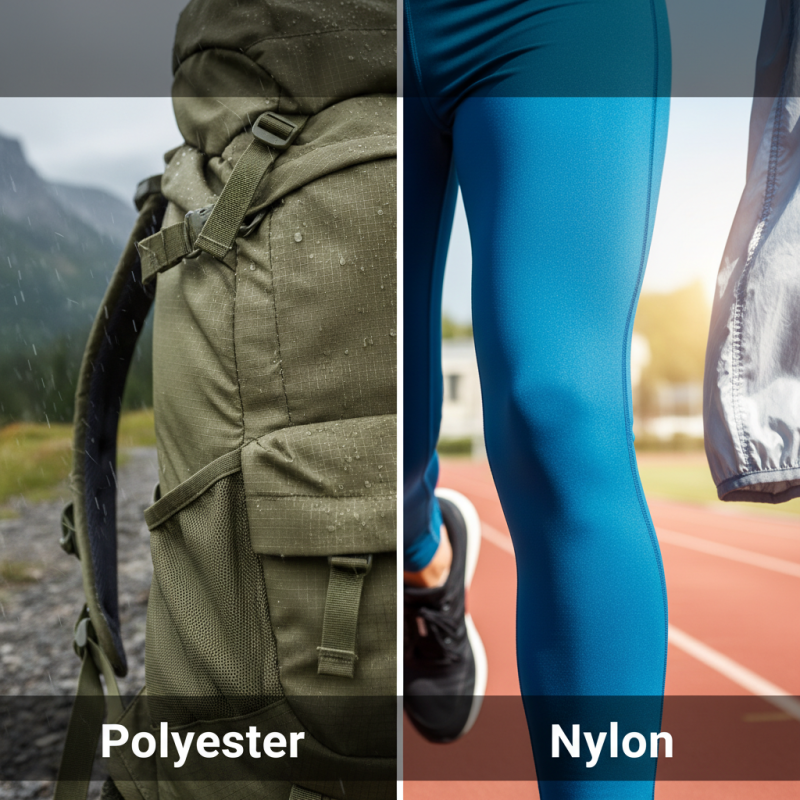
When choosing between Polyester V Nylon, it’s essential to consider your specific needs. Both fabrics have unique characteristics that suit different purposes. Polyester is known for its durability and resistance to shrinking and stretching. It is often chosen for outdoor gear and clothing due to its water-resistant properties.
On the other hand, Nylon excels in strength and elasticity. It is lighter and can withstand wear and tear, making it a popular choice for activewear. However, Nylon can be more prone to fading in the sun. This trade-off may make Polyester more appealing for some users, yet Nylon offers comfort and flexibility in movements.
Ultimately, deciding on Polyester V Nylon depends on personal preferences and intended use. Reflecting on your activities can guide your choice. Think about what matters most: durability, comfort, or weather resistance? Both fabrics have their merits, and evaluating these aspects can help lead to a more informed decision.
Polyester vs Nylon: Understanding the Basics of Each Fabric
When comparing polyester and nylon, understanding the basics of each fabric is essential. Polyester is known for its durability and resistance to shrinkage and stretching. According to a report from the Textile World, polyester can withstand significant wear and tear, making it favorable for everyday clothing and outdoor gear. In contrast, nylon, although also durable, offers superior elasticity. Its ability to return to its original shape makes it ideal for active wear and performance apparel.
One key aspect to consider is moisture-wicking properties. Polyester excels in this area, as it effectively draws moisture away from the skin. In fact, many athletic clothing manufacturers favor polyester blends for this reason. Nylon, however, can absorb moisture, which might lead to discomfort during intensive activities. A study by the American Journal of Sports Science highlights how fabric choice impacts athletic performance and comfort.
Tips: When selecting between these fabrics, think about your lifestyle needs. For casual wear, polyester may provide the best balance of comfort and durability. If your activities demand flexibility, nylon could be the better choice. Always test samples to evaluate texture and feel, as personal comfort varies greatly. Keep in mind that while both fabrics have advantages, the occasion may dictate their suitability.
Durability Comparison: Polyester vs Nylon in Various Applications
When comparing polyester and nylon, durability is a key factor in various applications. Polyester fibers typically offer greater resistance to UV light, helping to maintain color vibrancy over time. This makes polyester ideal for outdoor fabrics, where exposure to sunlight is a concern. Reports indicate that polyester can last up to 5 years longer than nylon in certain applications.
Nylon, however, excels in strength and elasticity. It can withstand significant tensile stress, making it suitable for items like ropes and activewear. A study by the Textile Institute found that nylon has a tensile strength approximately 20-30% higher than that of polyester. This characteristic may make nylon a better choice for applications requiring movement and flexibility.
Tips: Consider the specific application when choosing between the two fibers. If longevity and resistance to sunlight are priorities, polyester might be the smarter choice. On the other hand, if strength and stretch are vital, nylon could be your best bet. Always think about wear and tear for your unique needs. Remember that the cost may also vary; sometimes premium options in either material could offer better long-term value.
Moisture-Wicking Properties: Performance of Polyester and Nylon
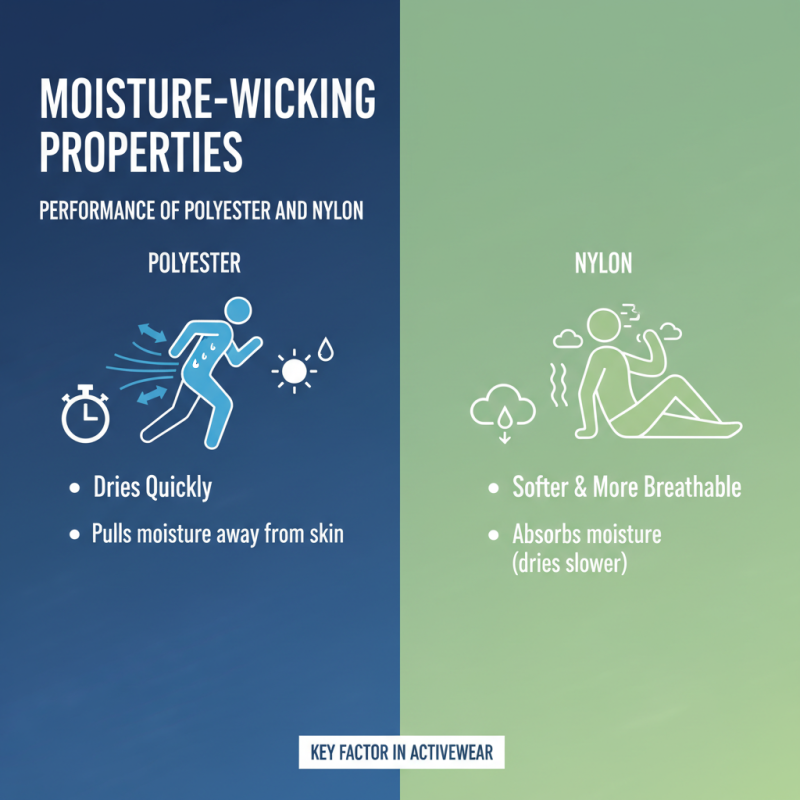
When comparing polyester and nylon, moisture-wicking properties stand out as a key factor. Both fabrics excel in moisture management but in different ways. Polyester is known for its ability to dry quickly. It pulls moisture away from the skin effectively, keeping you feeling dry during exercise. On the other hand, nylon tends to be softer and more breathable. It absorbs moisture but may take longer to dry.
In practice, the choice depends on your activities. If you're running or engaging in high-intensity workouts, polyester may be your best bet. Its rapid drying capabilities are beneficial when sweat levels rise. For activities with lower intensity, like yoga or leisurely walks, nylon’s soft texture offers comfort, even if it’s not as quick to dry.
There’s also a need to consider environmental impacts. Polyester is often made from recycled materials, influencing its overall appeal. However, nylon, while more durable, can be less sustainable. Reflect on your priorities. What matters more: sustainability or immediate performance? It's crucial to weigh these factors before making a decision.
Environmental Impact: Sustainability of Polyester vs Nylon Fabrics
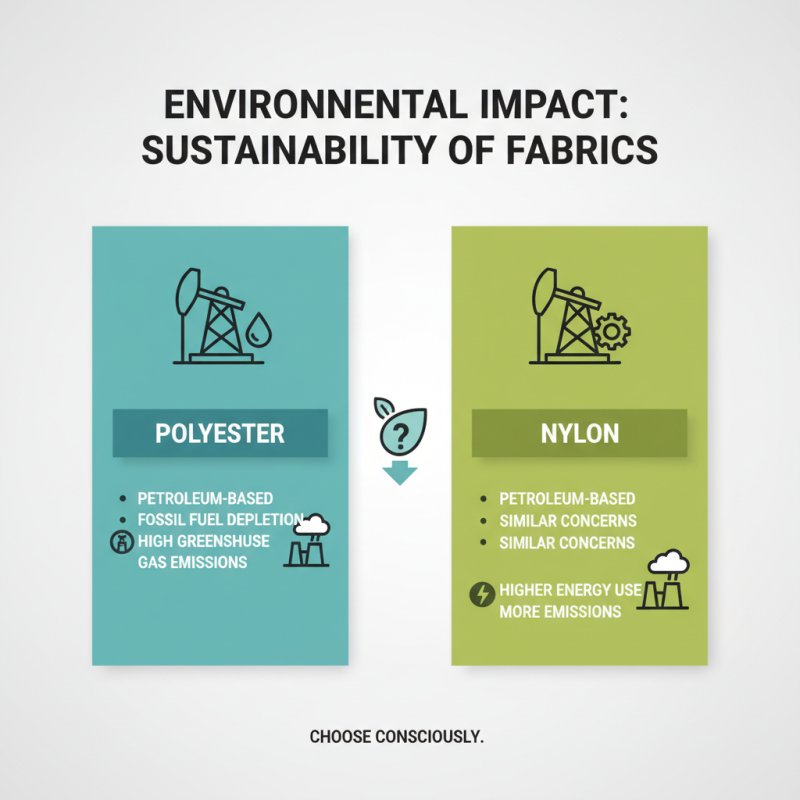
When comparing polyester and nylon, sustainability plays a crucial role. Both fabrics have distinct environmental impacts. Polyester is derived from petroleum, which contributes to fossil fuel depletion. Its production emits significant greenhouse gases. In contrast, nylon also originates from fossil fuels and has similar environmental concerns. However, nylon's production often requires more energy, resulting in higher emissions.
Recycling practices for both fabrics are evolving. Recycled polyester uses less energy and reduces landfill waste. It's gaining popularity due to its lower environmental footprint. On the other hand, recycled nylon is less common. Producing recycled nylon is complex, which limits its availability. This raises questions about its overall sustainability.
Water usage is another significant factor. Polyester production consumes less water compared to nylon. This difference may affect fabric choice for environmentally conscious consumers. However, both materials still have a long way to go in achieving true sustainability. Evaluating the long-term impacts of these fabrics is essential for informed choices. Understanding these details can guide individuals seeking to make responsible choices when selecting materials.
Cost Analysis: Economic Considerations When Choosing Polyester or Nylon
When choosing between polyester and nylon, cost analysis plays a crucial role. Polyester typically is less expensive than nylon. This price difference can influence decision-making, especially for budget-conscious consumers. While both fabrics serve various purposes, understanding the economic implications is vital.
Nylon offers enhanced durability and elasticity, which may justify its higher cost for certain applications. It performs well in activewear and outdoor gear. However, polyester's price point makes it attractive for mass-production items. In some cases, a slightly lower quality may be acceptable if it leads to savings.
Each material has its pros and cons. Investing in nylon might benefit those seeking longevity and performance. On the other hand, budget limitations could push consumers toward polyester. In either case, buyers should reflect on their specific needs to make informed decisions. The best choice varies depending on individual preferences and circumstances.