What is Polyester Water Resistant and Why Does it Matter?
Polyester water resistant fabrics have gained significant traction in the textile industry. According to a report by the Textile Sustainability Initiative, polyester's market share has grown by 23% in water-resistant applications over the past five years. This trend highlights a shift toward more practical and functional materials in outdoor apparel and gear.
Expert in the field, Dr. Jane Holloway, emphasizes the importance of this technology. She states, “Polyester water resistant materials are essential for enhancing performance in unpredictable weather.” This statement sheds light on the necessity of polyester water resistant in various industries, from sportswear to everyday clothing.
Despite its advantages, the production process of polyester can be questioned. Some advocate for natural fibers due to environmental concerns. The balance between innovation and sustainability remains a topic of debate. Polyester water resistant offers practical benefits, yet it also calls for reflection on our ecological footprint.

What is Polyester Water Resistance?
Polyester water resistance refers to the ability of polyester fabric to
repel water. This quality makes it a popular choice for various outdoor gear. Water-resistant polyester is often treated
with a special coating to enhance its performance. This coating creates a barrier, preventing water from soaking through
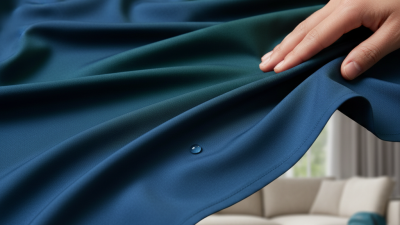
the fabric. As a result, items made from this material can withstand light rain or splashes.
When selecting water-resistant polyester products,
consider their specific usage. A rain jacket may require higher water resistance compared to a backpack. Always check
the manufacturer’s specifications for exact ratings. Remember, even water-resistant materials have their limits.
Heavy rain or prolonged exposure can lead to moisture penetration.
Tips for Care: To maintain water resistance, avoid frequent washing. Use a gentle
cycle when necessary, and air dry. If the fabric loses its resistance, consider applying a re-waterproofing spray.
Regular maintenance can extend the life of your polyester gear, making it more reliable in wet conditions.
The Science Behind Polyester Fibers and Water Resistance
Polyester fibers have unique properties that make them popular in water-resistant applications. These synthetic fibers consist of long chains of molecules that create a strong, flexible structure. This design prevents water from easily penetrating the material. In addition, the fibers have a smooth surface that helps repel moisture.
The science behind water resistance lies in the fabric's construction. When polyester is treated with water-repellent chemicals, its performance improves. However, not all polyester fabrics are the same. Some may not perform well in heavy rain. The effectiveness can vary based on the thickness and weave.
Understanding these characteristics is important for consumers. Choosing the right polyester fabric can make a significant difference. Imagine wearing a jacket that feels damp just minutes into the rain. No one wants that. Researching and testing fabrics before making a decision is crucial. Water resistance is not merely about staying dry; it’s about comfort and protection.
Benefits of Water Resistant Polyester in Everyday Products
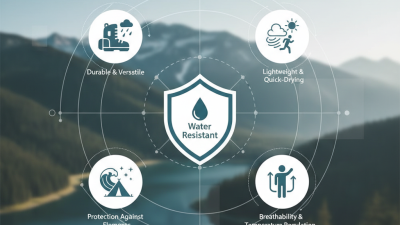
Water-resistant polyester is a game-changer in everyday products. It offers remarkable advantages in a variety of applications, from clothing to outdoor gear. This material repels water, keeping you dry and comfortable. Imagine walking in the rain, yet your jacket remains completely dry inside. That’s the beauty of water-resistant polyester.
One major benefit is its durability. Water-resistant polyester withstands wear and tear, making it ideal for bags, tents, and outdoor furniture. It’s lightweight too, which makes it easy to carry. However, some products may lose their water resistance over time. Regular maintenance can help, but not all users realize this need.
Another interesting aspect is its versatility. Water-resistant polyester can be printed on, dyed, and styled. This gives designers creative freedom. But, the production of such materials can take a toll on the environment. While water-resistant properties are beneficial, we must consider their ecological impact. Finding a balance is crucial as we embrace this innovative fabric in our daily lives.
What is Polyester Water Resistant and Why Does it Matter? - Benefits of Water Resistant Polyester in Everyday Products
| Product Type |
Material Composition |
Water Resistance Level |
Durability (Cycles) |
Typical Use Cases |
| Outdoor Jackets |
100% Polyester |
High |
10,000+ cycles |
Hiking, Camping |
| Tents |
Polyester with PU Coating |
Very High |
15,000+ cycles |
Camping, Festivals |
| Backpacks |
Polyester Blends |
Moderate |
5,000+ cycles |
School, Travel |
| Athletic Wear |
Recycled Polyester |
Low |
2,000+ cycles |
Running, Gym |
| Umbrellas |
Polyester Fabric |
High |
8,000+ cycles |
Rain Protection |
Applications of Polyester Water Resistant Fabrics
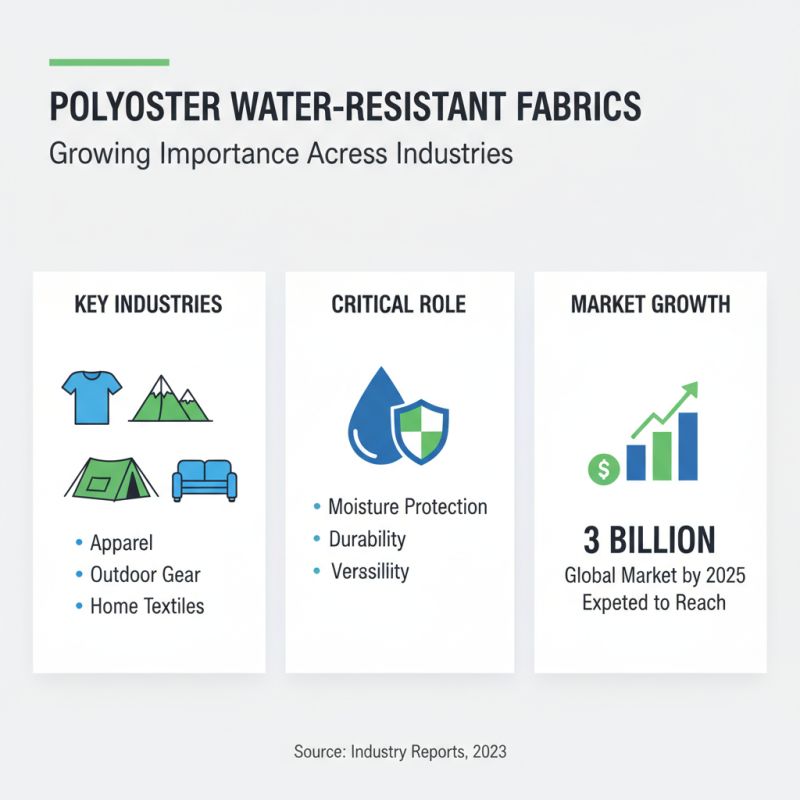
Polyester water-resistant fabrics are widely used in various industries. They serve a critical role in apparel, outdoor gear, and home textiles. Studies show that the global market for water-resistant fabrics is expected to reach $3 billion by 2025. This highlights their growing importance across different sectors.
In outdoor gear, water-resistant polyester keeps users dry and comfortable. Rain jackets, tents, and backpacks benefit significantly. According to research, nearly 70% of outdoor enthusiasts prefer water-resistant materials for their gear. This preference shows how essential these fabrics are for performance and safety in unpredictable weather.
In sports and leisurewear, polyester’s moisture-wicking properties enhance comfort. Fabrics that repel water keep athletes dry during intense activities. However, there are challenges. Some lighter polyester fabrics may not provide full waterproofing. Manufacturers must balance breathability with water resistance. The industry continues to explore innovative solutions to address these issues. The quest for better materials is ongoing, as user needs evolve.
Maintaining and Caring for Water Resistant Polyester Items
Water-resistant polyester is a popular fabric choice for various items. It repels water, making it ideal for outdoor gear, clothing, and accessories. However, maintaining these items can be tricky. Proper care can extend the life of your water-resistant polyester products.
To keep your polyester looking great, wash it gently. Use cold water and mild detergent. Avoid fabric softeners, as they can reduce water repellency. It is best to air dry your items. If you must use a dryer, opt for a low heat setting. High heat can damage the fibers and their water-resistant properties.
Keep in mind that these items may require re-treatment over time. Water repellency can fade with use. Observing any signs of moisture absorption is important. Reapply a water-resistant spray periodically to enhance performance. Taking these steps can result in more durable and functional items. This small effort can make a significant difference.