Pp Polyester Tips for Choosing the Best Quality Fabric?
Choosing the right fabric is crucial for every designer and consumer. Pp Polyester stands out due to its versatility and durability. According to a recent market report, the global polyester fabric market was valued at over $80 billion in 2022, showing steady growth.
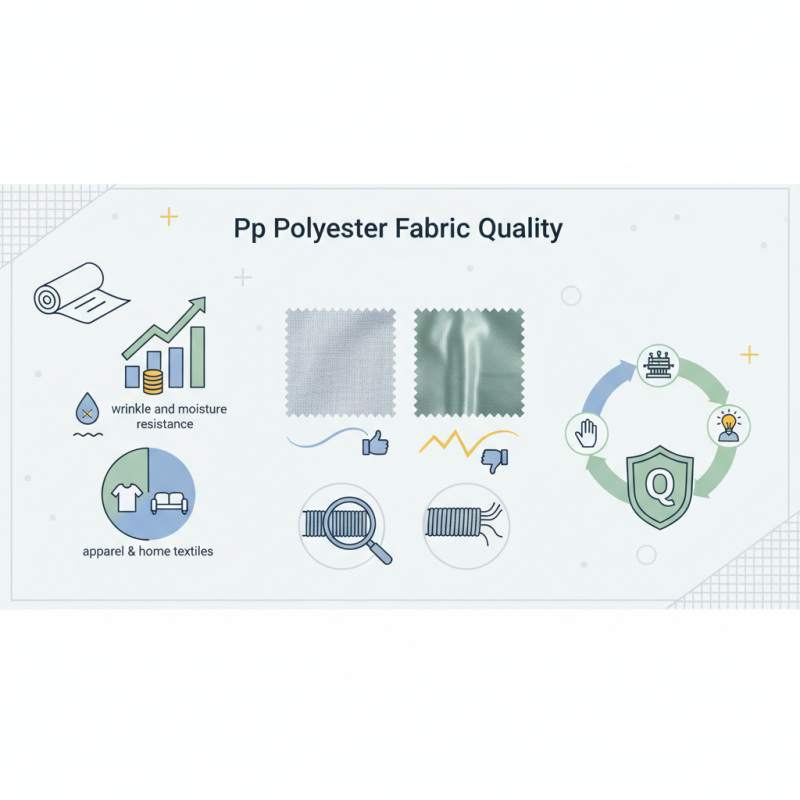
Pp Polyester offers excellent resistance to wrinkles and moisture. It is used widely in apparel and home textiles. However, not all polyester fabrics are the same. Some low-quality options may lack the strength or colorfastness that consumers expect. This inconsistency can lead to buyer dissatisfaction.
When selecting Pp Polyester, consider the weave and finish. High-quality options should feel soft and smooth. Avoid fabrics that seem stiff or excessively shiny. Ultimately, selecting the perfect Pp Polyester requires attention to detail. Quality matters, and doing thorough research pays off in the long run.
Understanding Polyester: What It Is and Its Properties
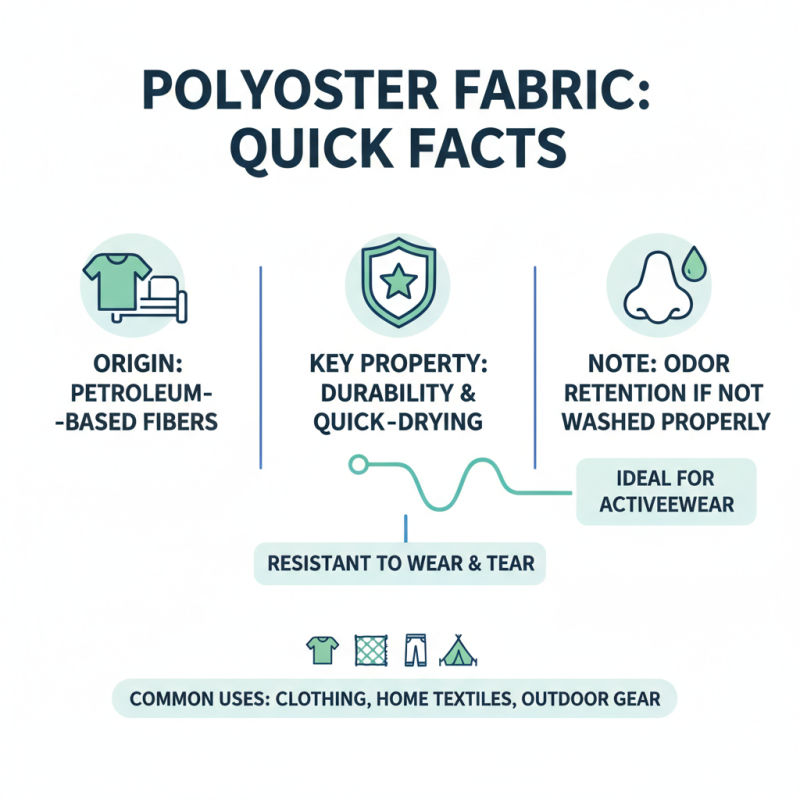
Polyester is a synthetic fabric made from petroleum-based fibers. It is widely used in various applications, including clothing and home textiles. One notable property of polyester is its durability. The fabric can resist wear and tear, making it ideal for everyday use. Additionally, polyester dries quickly, which can be convenient in many situations. However, it can hold onto odors if not washed properly.
The fabric also has moisture-wicking properties to some extent. This means it can help keep you dry during physical activities. But, polyester does not allow air to flow as freely as natural fibers. This can sometimes lead to discomfort in hot weather. Many people love its affordability and ease of care. But they may overlook that it isn't biodegradable. This raises questions about its environmental impact.
When choosing polyester, consider factors like weight and texture. Lightweight polyester can feel comfortable for activewear, but heavier options might be better for outerwear. It's essential to feel the fabric and check its weave. Not all polyester is the same. Some might be softer or shinier than others. Reflexivity and finish can also vary. Each element can affect your overall satisfaction with the fabric.
Key Factors to Consider When Selecting Quality Polyester Fabric
When selecting quality polyester fabric, several key factors come into play.
First, fabric weight matters. High-quality polyester typically ranges between 150 to 300 GSM (grams per square meter).
Fabrics on the lower end might feel flimsy and could wear out quickly. Choosing a heavier fabric often translates to better durability and performance.
Next, consider the fabric's brightness and colorfastness.
Colorfastness ratings typically fall between 1 and 5, with 5 being the best. A higher rating indicates that the color will resist fading after multiple washes.
Studies show that poorly dyed polyester can lose up to 50% of its original color after just ten washes.
Another crucial aspect is texture. Quality polyester should have a smooth finish without any rough spots.
Touch is important; it can dictate the comfort of the final product. Fabrics with a soft drape are often favored in the industry.
Still, be wary of cheaper options that might not meet tactile expectations.
Lastly, check for breathability.
Quality polyester should allow moisture to escape, preventing discomfort during use. Reports indicate that breathable polyester can significantly enhance user experience,
especially in activewear. Yet, some fabrics may fail to provide this, leading to disappointing outcomes in wear and feel.
Different Types of Polyester and Their Best Uses
Polyester is a versatile fabric known for its durability and ease of care. When choosing polyester, consider its different types for various applications. For instance, micro polyester is lightweight. It's perfect for athletic wear or outdoor activities. Its breathability allows for sweat-wicking properties, enhancing comfort during workouts.
Conversely, textured polyester offers a more substantial feel that is ideal for home decor. Think of plush cushions or drapery. This type adds a cozy touch. Silk-like polyester gives the appearance of luxury but is more practical. It's often used in dresses or blouses. The sheen can elevate simple outfits.
Keep in mind that not all polyester is created equal. Some fabrics may not hold up well after multiple washes. Always check for shrinkage or fading before buying. Fabrics that may look great initially can lose their charm over time. Be aware of the weight and texture to ensure it fits your needs. Experimenting with different types could lead to pleasant surprises or frustrations.
Tips for Identifying High-Quality Polyester Fabrics
When selecting high-quality polyester fabrics, several factors should be considered. Look for a smooth texture; it often indicates better craftsmanship. The fabric should feel soft against the skin. If it feels rough or stiff, it might not meet your comfort expectations. High-quality polyester often has a slight sheen. A dull finish may suggest lower-grade materials.
Check the fabric's durability. Quality polyester will maintain its shape and resist wrinkles. Conduct a simple stretch test. A resilient fabric will return to its original shape quickly. Be cautious of static cling; it can indicate inferior fibers. Finally, color retention matters. Fabrics that fade quickly after washing may not be worth your investment.
You might encounter polyester fabrics that claim to be superior. However, always trust your senses. If a fabric seems too good to be true, it often is. Pay attention to how it behaves under different conditions. Feel the fabric, test its strength, and observe its overall performance. Each of these elements contributes to the overall quality of polyester fabric.
Pp Polyester Tips for Choosing the Best Quality Fabric
| Quality Indicator |
Description |
Tips for Identification |
| Thread Count |
A higher thread count typically indicates a denser, more durable fabric. |
Check the specification; aim for at least 150 threads per square inch. |
| Weave type |
Different weaves can affect the fabric’s texture and durability. |
Look for a tight weave; twill and satin weaves are generally more durable. |
| Moisture Wicking |
High-quality polyester fabrics draw moisture away from the skin. |
Perform a water droplet test; if it beads up, it is moisture-wicking. |
| Colorfastness |
The ability of the fabric to retain its color after wash and exposure. |
Check for labels indicating pre-treated or resistant fabrics. |
| Softness and Feel |
High-quality polyester should feel soft yet substantial. |
Touch the fabric; it should not feel scratchy or overly stiff. |
| Durability |
Resistance to wear and tear over time. |
Consider the fabric's tear strength; thicker fabrics often last longer. |
Care and Maintenance for Longevity of Polyester Fabrics
Polyester fabrics are popular for their durability and versatility. However, proper care and maintenance are essential for prolonging their lifespan. Regular washing is important. Use cold water to avoid shrinking. Avoid washing polyester with heavy fabrics, as this can cause pilling. Sometimes, we forget to separate delicate items, which can lead to damage over time.
Drying polyester can be tricky. Avoid high heat when using a dryer, as it may cause melting or distortion. Instead, hang the items to air dry when possible. If ironing is needed, use low heat. Always check for wrinkles before putting clothes away. An easy-to-spot wrinkle can often be ignored, but it might affect the fabric's look in the long run.
Storing polyester properly is also vital. Ensure complete dryness before storage; otherwise, mold could develop. Choose breathable garment bags instead of plastic to prevent moisture buildup. Often, we overlook the importance of how we store clothes. Proper maintenance may require effort, but it greatly extends the life of polyester fabrics.
Pp Polyester Tips for Choosing the Best Quality Fabric
These data represent the average durability ratings of different types of polyester fabrics based on user reviews and durability tests. This chart can help consumers make informed choices when selecting polyester fabrics for various uses.