What Makes Premium Polyester the Best Choice for Clothing and Fabrics?
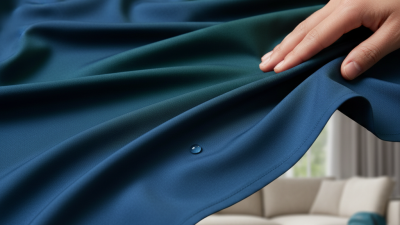
In today's fashion industry, the choice of materials greatly impacts both aesthetics and functionality. Premium Polyester stands out as a top contender among fabric choices. According to renowned textile expert Dr. Emily Carter, "Premium Polyester combines durability with comfort, making it ideal for modern clothing." This statement reflects a growing recognition of the advantages offered by this versatile material.
The use of Premium Polyester is not without its complexities. While it delivers numerous benefits, such as resistance to wrinkles and ease of care, some may overlook its potential downsides. For instance, not all polyester is created equal; the quality varies significantly between manufacturers. Consumers must be vigilant in distinguishing high-quality options from lower-grade alternatives.
Understanding the merits and drawbacks of Premium Polyester allows designers and consumers to make informed choices. Its ability to retain color vibrancy and shape over time contributes to sustainability in fashion. However, this material may not appeal to those seeking 100% natural fabrics. As the conversation around materials evolves, it is crucial to acknowledge both the advantages and limitations of Premium Polyester in clothing and fabrics.
Characteristics of Premium Polyester in Apparel Manufacturing
Premium polyester is increasingly recognized in the apparel industry for its unique characteristics. This fabric offers resilience and strength, making it ideal for everyday clothing. It retains its shape well, reducing the need for frequent replacements. The fibers are engineered to resist wrinkling, which adds to their appeal for busy consumers.
Another key feature of premium polyester is its moisture-wicking capability. This helps keep the wearer dry and comfortable, especially during physical activities. However, not all polyester is created equal. Some variations can feel less breathable, leading to discomfort in warm conditions. It's essential for manufacturers to focus on selecting high-quality polyester to avoid these drawbacks.
Moreover, premium polyester is often treated to enhance its performance, such as UV resistance or added durability. Yet, not every treatment may align with eco-friendly practices. Potential environmental impacts are a concern for some consumers. Companies must balance performance advantages with sustainable practices to remain trustworthy in this competitive market.
Advantages of Premium Polyester Over Natural Fibers
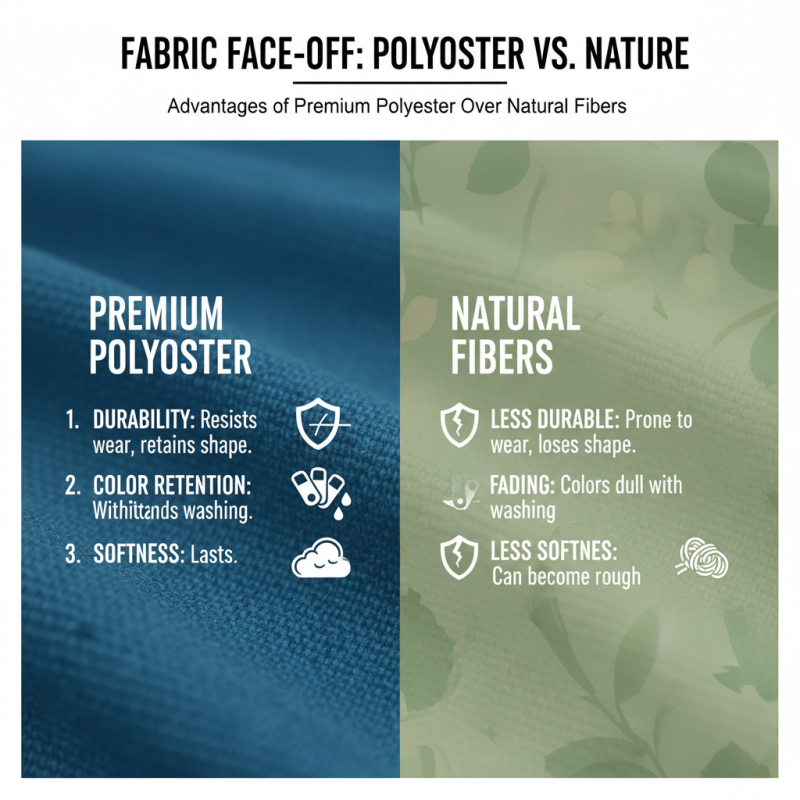
Premium polyester has emerged as a favored choice in the fashion world. Unlike natural fibers, it offers remarkable durability. Fabrics made from premium polyester resist wear and retain their shape. They withstand frequent washing without losing their vibrant colors or softness.
Natural fibers like cotton or wool have their charm but can come with limitations. They tend to absorb moisture and can easily shrink or stretch. In humid conditions, natural fabrics may become uncomfortable. Meanwhile, premium polyester provides moisture-wicking properties, keeping you dry and comfortable throughout the day. It’s ideal for active individuals seeking both fashion and function.
Additionally, premium polyester is often more affordable than natural fibers. The lower production costs reflect in the price. However, it’s important to recognize the environmental impact of synthetic materials. Balancing benefits with sustainability is essential. As consumers, we must reflect on our choices and their consequences in the long run.
Environmental Impact of Using Premium Polyester for Fabrics
The environmental impact of using premium polyester is significant. Research shows that polyester recycling can reduce carbon emissions by 32% compared to virgin polyester production. The process uses less water and energy as well. These factors make it a more sustainable option for fabrics.
However, there are concerns about microplastic pollution. Studies indicate that washing polyester can release thousands of microfibers into waterways. These microplastics can harm aquatic life and enter food chains. This makes responsible laundering practices crucial for consumers.
The overall lifecycle of premium polyester is complex. While it has benefits, such as durability and resistance to fading, the long-term effects require examination. Both manufacturers and consumers must consider sustainable practices to minimize harm. Balancing convenience with responsibility is essential in the fabric industry.
What Makes Premium Polyester the Best Choice for Clothing and Fabrics?
Premium polyester stands out in various key areas, including durability, moisture resistance, versatility, and cost efficiency. However, it also presents environmental challenges that must be addressed. This graph highlights the performance metrics of premium polyester in these categories, making it clear why it is a preferred choice for many clothing and fabric applications.
Durability and Longevity of Clothing Made with Premium Polyester
Premium polyester is increasingly favored for its durability and longevity. Studies show that fabrics made from premium polyester can last up to five times longer than cotton. This is largely due to its resistance to wear and tear. Polyester fibers are strong and resilient, making them ideal for everyday clothing.
In addition, premium polyester's moisture-wicking properties help prevent mold and mildew. This feature makes it perfect for activewear. According to Textile World, garments made from premium polyester can retain their shape better and resist fading compared to traditional fabrics. This translates to savings for consumers. They buy less often due to greater durability.
However, it’s important to acknowledge that not all polyester is created equal. The quality of the polymer and the production process can vary. This could impact the fabric's overall performance. Consumers should thus seek products that specify "premium" properties. Though premium polyester offers many benefits, being informed is essential for making the best choice.
What Makes Premium Polyester the Best Choice for Clothing and Fabrics?
| Attribute |
Premium Polyester |
Cotton |
Wool |
| Durability |
High resistance to wear and tear |
Moderate resistance to wear |
Less durable, prone to moth damage |
| Moisture Management |
Excellent moisture-wicking properties |
Absorbs moisture, can feel damp |
Moderate moisture absorption |
| Color Retention |
Holds colors well, resists fading |
Colors can fade with washing |
Colors can fade, especially with sunlight |
| Comfort |
Soft feel, breathable |
Soft, natural feel |
Warm, but can cause itching |
| Care and Maintenance |
Easy to wash and dry, wrinkle-resistant |
Wrinkles easily, requires careful washing |
Requires special care, dry clean recommended |
Care and Maintenance Tips for Premium Polyester Garments
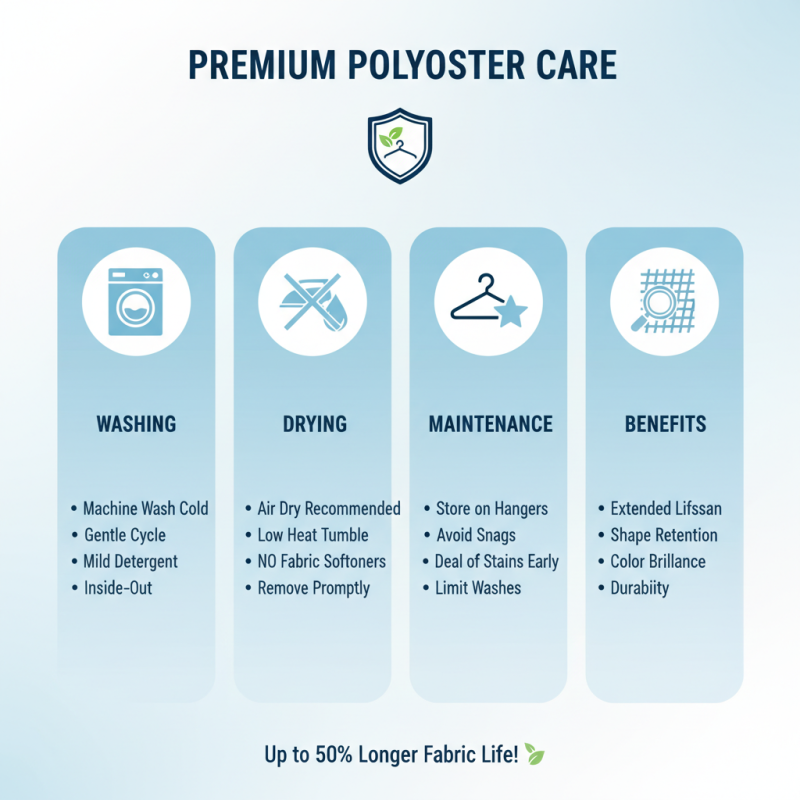
Premium polyester garments have gained popularity due to their durability and versatility. Proper care and maintenance are essential for extending their lifespan and maintaining their appearance. According to a report by the Textile Institute, fabrics that are well-cared for can last up to 50% longer than those subjected to typical laundry methods.
Washing premium polyester in cold water is advisable. Hot water can damage the fibers over time. Machine drying on low heat is another effective method. High heat can lead to shrinkage, ruining the fit of your clothing. Additionally, avoid using bleach, which can degrade the material. When in doubt, using gentle detergents can keep the fabric looking fresh.
Storing polyester garments correctly can also make a difference. Hanging items can help maintain their shape, but be cautious of using thin hangers. They may cause unwanted creases. Folding heavier items can preserve their form better. If you notice any pilling, using a fabric shaver can help restore the garment’s look. These maintenance tips not only enhance the lifespan of your clothing but also keep you looking your best with minimal effort.