What Is Premium Polyester Fabric and Its Benefits for You?
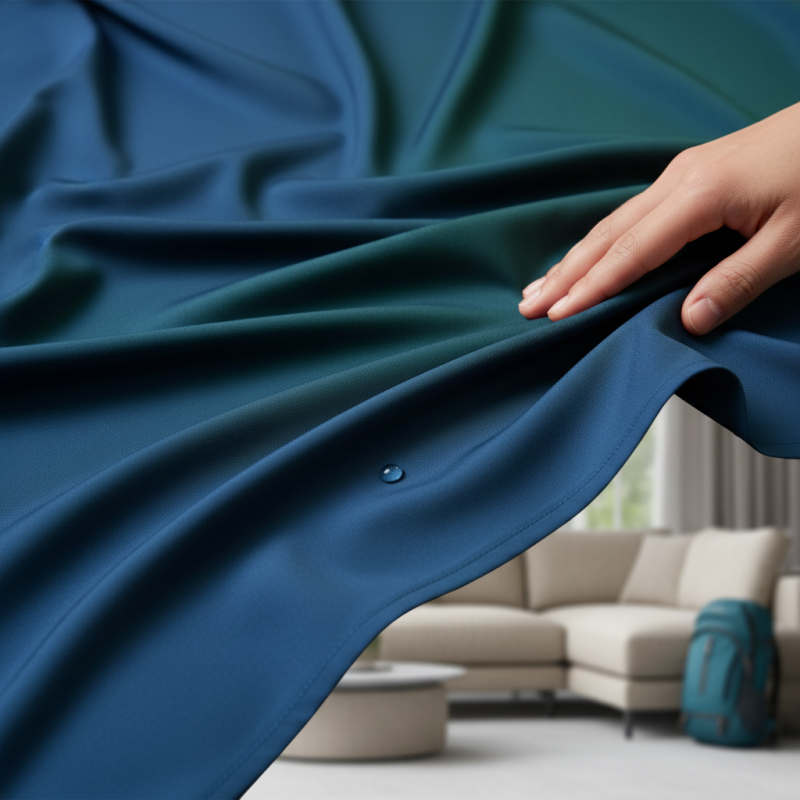
Premium Polyester Fabric has gained popularity in various industries. This material combines durability with a soft touch, making it suitable for multiple applications. For instance, you can find it in clothing, upholstery, and outdoor gear.
One of the main benefits of Premium Polyester Fabric is its resistance to wrinkling and fading. This means your garments and home textiles will maintain their vibrant colors over time. Additionally, the fabric is quick-drying and easy to clean, which adds to its appeal.
However, not all uses of Premium Polyester Fabric come without concerns. Some may argue about its environmental impact. Reflecting on those drawbacks can lead to more sustainable choices in fabric selections. Ultimately, weighing the pros and cons can help you make informed decisions.
Definition of Premium Polyester Fabric and Its Composition
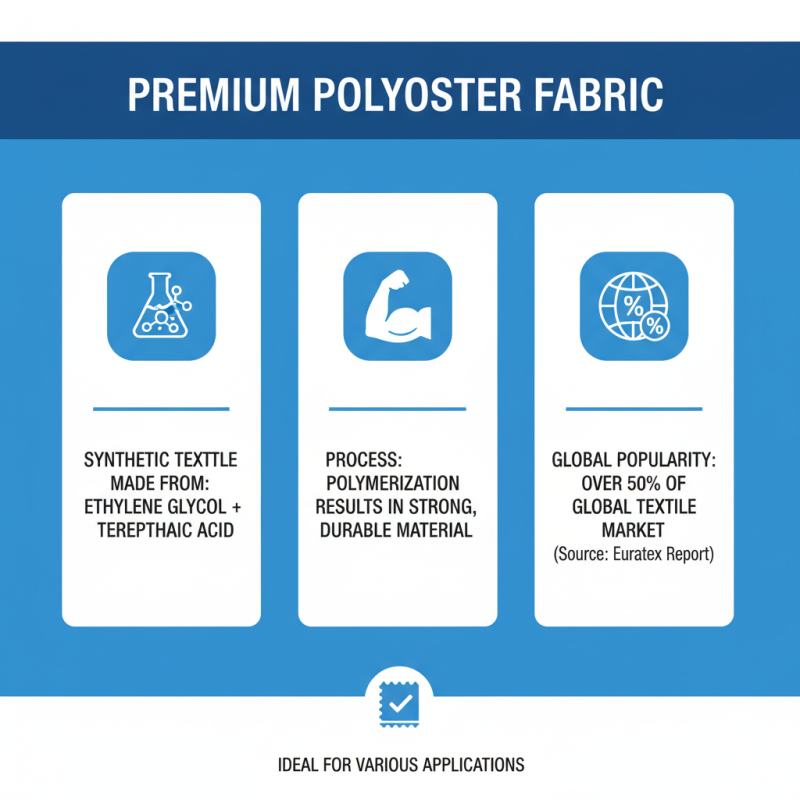
Premium polyester fabric is a synthetic textile made primarily from polyester fibers. These fibers come from the polymerization of ethylene glycol and terephthalic acid. This process creates a strong and durable material, ideal for various applications. According to a recent report from the European Apparel and Textile Confederation, polyester accounts for over 50% of the global textile market, showcasing its popularity.
The composition of premium polyester typically includes additives for enhanced properties. These may include anti-wrinkle agents, UV protectants, or moisture-wicking capabilities. These features make premium polyester suitable for athletic wear, home textiles, and outdoor gear. A study by the American Apparel and Footwear Association found that 70% of surveyed consumers appreciate fabrics that require less maintenance and are more resilient.
Despite its numerous advantages, there are concerns about polyester's environmental impact. The production process can be energy-intensive. Moreover, polyester is derived from petroleum, raising questions about sustainability. While premium polyester offers many benefits, it also urges consumers to reflect on source materials and recycling options.
Key Characteristics That Distinguish Premium Polyester from Regular Polyester
Premium polyester fabric stands out due to its unique properties. Unlike regular polyester, it has a finer texture that feels soft against the skin. This softness is a result of advanced manufacturing techniques. It also offers better breathability, making it suitable for various climates. It wicks moisture away efficiently, keeping you comfortable during workouts or daily activities.
Durability is another key characteristic of premium polyester. This fabric resists fading, stretching, and wrinkling more effectively than ordinary options. Imagine wearing a shirt that looks fresh after multiple washes. However, achieving such quality often comes with a higher price tag. Many consumers question if the benefits justify the cost.
Another important aspect is the eco-friendliness of some premium polyester fabrics. Manufacturers are increasingly using recycled materials. This choice reduces waste and contributes to sustainability. Yet, not all premium polyester options are created equal. It's crucial to research and choose wisely. Not every label that claims to be premium delivers on its promises. Understanding these nuances can help you make informed choices.
Comparison of Premium Polyester Fabric Properties
This chart compares the key characteristics of premium polyester fabric against regular polyester. Premium polyester generally shows higher performance in durability, water resistance, and breathability, making it a superior choice for high-quality applications.
Benefits of Using Premium Polyester Fabric in Everyday Products
Premium polyester fabric offers numerous benefits for everyday products. This material is known for its durability and resistance to wrinkles. It maintains its shape well, making it ideal for clothing and home textiles. The vibrant colors and patterns do not fade easily, enhancing the aesthetic appeal of items made from it.
People appreciate the ease of care that comes with premium polyester. It is machine-washable and dries quickly, saving time and effort. This fabric also resists stains, which is useful for busy households with children or pets. However, some might find that it traps heat, making it less comfortable in hot weather. It’s essential to consider these factors when selecting materials for your daily use.
Moreover, premium polyester can be environmentally friendly. Many manufacturers now use recycled materials, reducing waste. Still, the production process can involve chemicals that may not be ideal for the planet. Balancing the benefits of convenience with ecological impact is a challenge for consumers. As we navigate our choices, reflecting on the trade-offs is crucial.
Applications of Premium Polyester in Fashion and Home Textiles
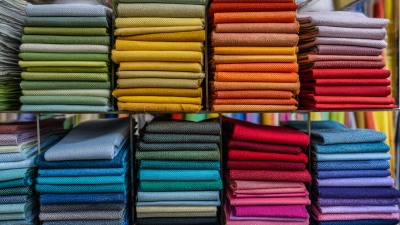
Premium polyester fabric has gained popularity in both fashion and home textiles. It offers durability, versatility, and ease of maintenance. In fashion, it is often used for clothing that requires a soft touch and elegant drape. For instance, it’s commonly found in dresses, activewear, and linings. The fabric's ability to hold vibrant colors and resist wrinkles makes it ideal for seasonal collections.
In home textiles, premium polyester shines in curtains, upholstery, and beddings. These items benefit from the fabric's stain resistance and colorfastness. Imagine a living room equipped with plush, polyester cushions. They resist fading and are easy to clean. This makes them a favorite choice for families and pet owners.
Tip: When choosing polyester textiles for your home, always check the care label. Some may require special washing instructions to maintain their quality.
Some consumers feel polyester lacks the luxurious feel of natural fibers. This perception can deter some from choosing it. However, modern premium polyester technology has improved the texture. Many find it comparable to silk at a fraction of the price.
Tip: Consider blending polyester with natural fabrics for added comfort. This combination can give you the best of both worlds, balancing luxury and practicality.
Environmental Considerations and Sustainability of Premium Polyester Fabric
Premium polyester fabric is gaining attention not only for its durability but also for its environmental impact. Polyester is derived from petrochemicals, which raises concerns about sustainability. However, recent innovations have focused on recycling and reducing the environmental footprint of polyester production. According to a report by the Textile Exchange, over 60% of polyester produced globally is now recycled. This shift helps reduce waste and the dependence on virgin resources.
Recycled polyester saves energy and water compared to traditional processes. The production of recycled polyester can use up to 50% less energy, minimizing greenhouse gas emissions. However, the recycling process is not without flaws. Some microplastics may be released during washing, contributing to ocean pollution. This highlights the need for improved filtration systems and consumer education to mitigate negative effects.
Another aspect to consider is the longevity of premium polyester. Its durability means that products last longer, reducing the frequency of replacement. This offers a potential environmental benefit if consumers prioritize quality over quantity. Nonetheless, we must reflect on our consumption habits and the overall lifecycle of the fabric. Ongoing efforts in the industry aim to enhance sustainability while addressing the complexities of polyester's environmental challenges.
What Is Premium Polyester Fabric and Its Benefits for You?
| Dimension |
Description |
Benefits |
Environmental Considerations |
| Durability |
Resistant to stretching, shrinking, and wrinkles |
Longer lifespan, reduced waste |
Can be recycled into new polyester products |
| Comfort |
Soft and smooth texture |
Comfortable to wear in various climates |
Lower water usage in manufacturing compared to cotton |
| Moisture Wicking |
Effective at pulling moisture away from the body |
Keeps you dry and comfortable during activities |
Less energy consumption in drying compared to natural fibers |
| Versatility |
Suitable for a range of applications (fashion, home decor, industrial) |
Widely used in various markets and products |
Production processes can be improved for lower environmental impact |
| Affordability |
Generally less expensive than natural fibers |
Accessible options for consumers |
Can reduce the need for frequent replacements |