What is Premium Polyester Fabric and Why is it a Popular Choice?
Premium Polyester Fabric is a widely acclaimed material in the textile industry. Its popularity stems from its versatility and performance. This fabric not only looks great but also offers practical benefits that appeal to a broad audience.
One significant advantage of Premium Polyester Fabric is its durability. It resists stretching and shrinking, maintaining its shape over time. Additionally, it dries quickly, making it ideal for activewear and outdoor clothing. However, some consumers question its environmental impact. While it is a strong fabric, its production process involves petroleum-based resources, raising concerns.
Experts agree that Premium Polyester Fabric strikes a balance between functionality and aesthetics. It can mimic the look of silk or cotton while providing increased resilience. This combination has led to its prevalence in fashion and home textiles. As the industry evolves, there is an ongoing dialogue about sustainable options. Ultimately, understanding the nuances of this fabric can guide consumers in making informed choices.
What is Premium Polyester Fabric?
Premium polyester fabric is known for its durability and versatility. It is a synthetic material made from polymer fibers. This fabric is often favored in clothing and home textiles due to its resistance to wrinkles and fading. Many appreciate how it maintains its shape over time, even after multiple washes.
The production of premium polyester involves advanced techniques that enhance its quality. Manufacturers often focus on creating a lightweight feel while ensuring strength. This balance makes it a top choice for activewear and outdoor gear.
However, there are aspects to consider. Some people find polyester less breathable compared to natural fabrics. There’s a debate about its environmental impact, too.
Despite its advantages, the synthetic nature of premium polyester raises questions. It can sometimes lack the softness associated with natural fibers. Customers should weigh these factors when choosing. Understanding the properties of different fabrics helps in making informed decisions. This knowledge allows consumers to appreciate the benefits and limitations of premium polyester.
Key Characteristics of Premium Polyester Fabric
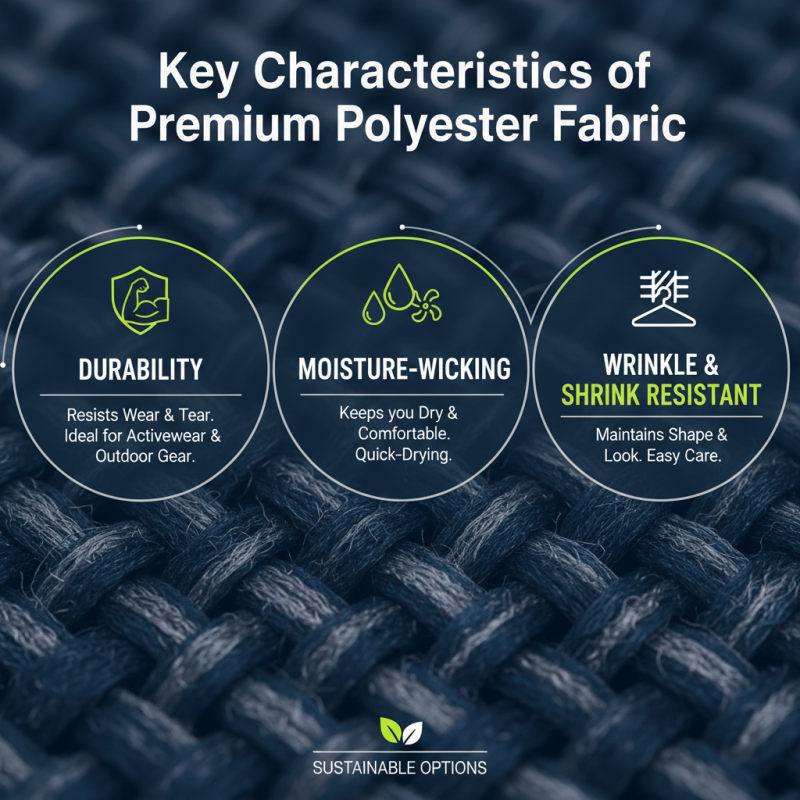
Premium polyester fabric has gained immense popularity due to its unique characteristics. One of the standout features is its durability. According to a report by the American Textile Manufacturers Institute, polyester fabrics can withstand more wear and tear than many natural fibers. This makes it an excellent choice for clothing that sees regular use, such as activewear and outdoor gear.
Another key aspect is the fabric's resistance to wrinkles and shrinking. This resilience means that garments maintain their shape and appearance, reducing the need for frequent ironing and care. In a study by the Fabric Association, nearly 70% of consumers preferred polyester blends for their ease of maintenance. Moreover, premium polyester often includes moisture-wicking properties, enhancing comfort during physical activities.
While premium polyester boasts various advantages, it's worth reflecting on its environmental impact. The production process involves significant energy and water usage. Also, concerns about microplastics from washing have surfaced. As consumers become more eco-conscious, it’s essential to balance the benefits of premium polyester with sustainable practices in the fashion industry.
Benefits of Using Premium Polyester Fabric
Premium polyester fabric has gained popularity across various industries due to its numerous benefits. One significant advantage is its durability. According to a report from the Textile Research Journal, premium polyester can withstand wear and tear much better than many natural fibers. This resilience makes it an excellent choice for active wear and home furnishings.
Another appealing characteristic is its moisture-wicking ability. Studies indicate that premium polyester can absorb and evaporate sweat efficiently, making it a go-to option for athletic apparel. Additionally, it dries quickly compared to other materials, enhancing comfort during physical activities.
Interestingly, a survey by the American Textile Manufacturers Institute shows that nearly 70% of consumers prefer polyester for its easy maintenance and stain resistance.
However, while the benefits are substantial, there are some considerations. The fabric is not as breathable as natural fibers, which may cause discomfort in hot climates. This raises questions regarding its use in certain environments. Understanding these trade-offs helps consumers make informed choices. Premium polyester fabric is a remarkable option, yet it’s essential to weigh its pros and cons carefully.
Common Applications of Premium Polyester Fabric
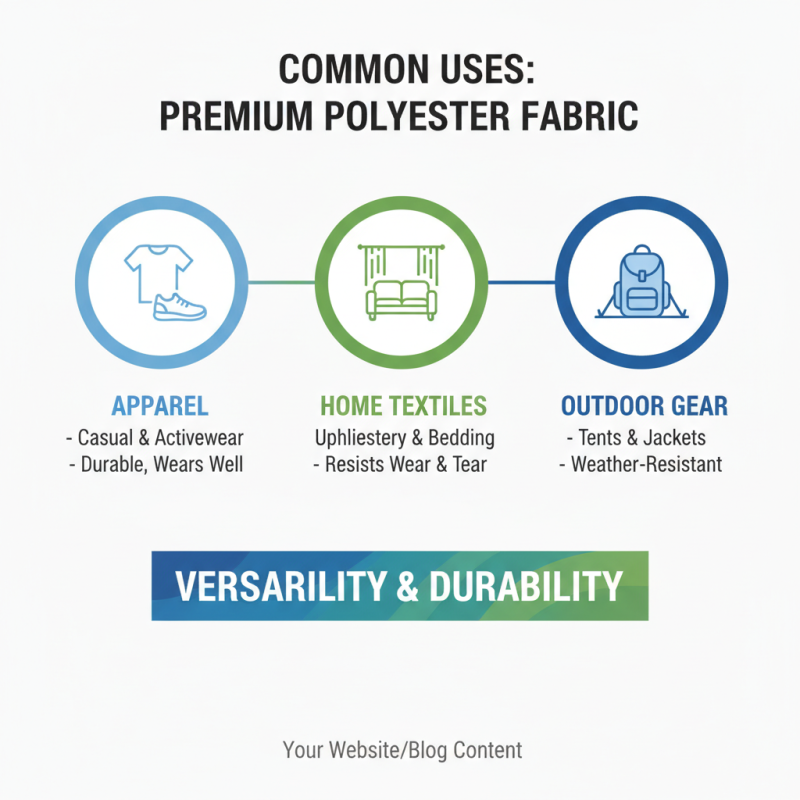
Premium polyester fabric is highly known for its versatility. This material is often used in apparel, home textiles, and outdoor gear. Its durability is a significant factor. It withstands wear and tear better than many alternatives. This property makes it ideal for casual clothing and activewear.
In home decor, premium polyester appears in curtains, upholstery, and bedding. The fabric captures vibrant colors well and resists fading. This quality keeps homes looking fresh and lively over time. In outdoor applications, it excels in tents and outdoor furniture. The moisture resistance of polyester is another plus, protecting against mildew.
Despite its many benefits, some drawbacks exist. While polyester is durable, it may not always be breathable. This can impact comfort in warmer climates. Additionally, it is not biodegradable. These concerns highlight the need for responsible use. Balancing its benefits and drawbacks can lead to better choices in fabric selection.
Why Premium Polyester Fabric is a Popular Choice in Fashion?
Premium polyester fabric has gained immense popularity in the fashion industry for various compelling reasons.
Its durability is one of its key traits. This fabric resists wrinkles and fading, making it ideal for everyday wear. It withstands the rigors of daily life without losing its appeal.
The wide range of colors and patterns available also attracts designers and consumers alike. Vibrant prints can last longer than those on natural fabrics.
Another reason for its popularity is its affordability. Premium polyester offers a cost-effective alternative to silk or cotton.
This allows designers to create diverse collections without breaking the bank. Many fashion brands appreciate that they can deliver stylish garments at accessible prices.
Finally, premium polyester is often more environmentally friendly than other synthetics. Its ability to be recycled into new fabric contributes to sustainable fashion practices.
Yet, it’s worth considering some drawbacks. While premium polyester is resilient, it may not breathe as well as natural fibers. This could lead to discomfort in hot weather conditions.
Consumers must also be aware of the fabric’s impact on the environment in the long term. Addressing these concerns could enhance the appeal further.
Balancing style, affordability, and sustainability will refine its role in the fashion world.