How to Sew Polyester Fabric Easily for Perfect Results?
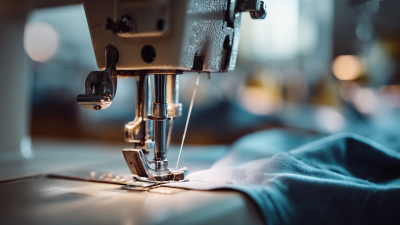
Sewing Polyester Fabric can be a rewarding yet challenging experience. This material is durable and offers vibrant colors. However, it can be tricky to handle. Its unique properties require special techniques for a perfect finish. Many sewers struggle with the slippery texture. It can shift and slide, leading to uneven seams.
Choosing the right needle and thread is crucial for success. Polyester requires a sharp needle to avoid damage. A good quality thread keeps stitches secure. It can be frustrating to adjust tension settings on your sewing machine. Sometimes, small mistakes can lead to big problems. Experimenting with your machine can improve your skills.
Don’t be discouraged by initial setbacks. With practice, Sewing Polyester Fabric becomes easier. Learning to control the fabric takes time and patience. Finding your rhythm can lead to beautiful finished projects. Each attempt teaches valuable lessons. Embrace the journey, and soon you will see progress.
Choosing the Right Polyester Fabric for Your Project
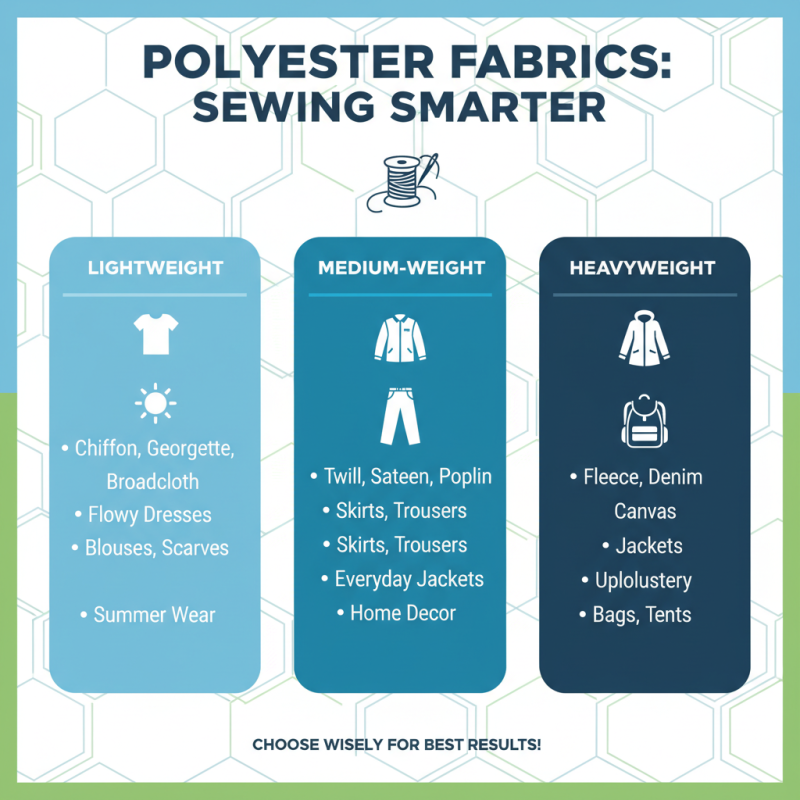
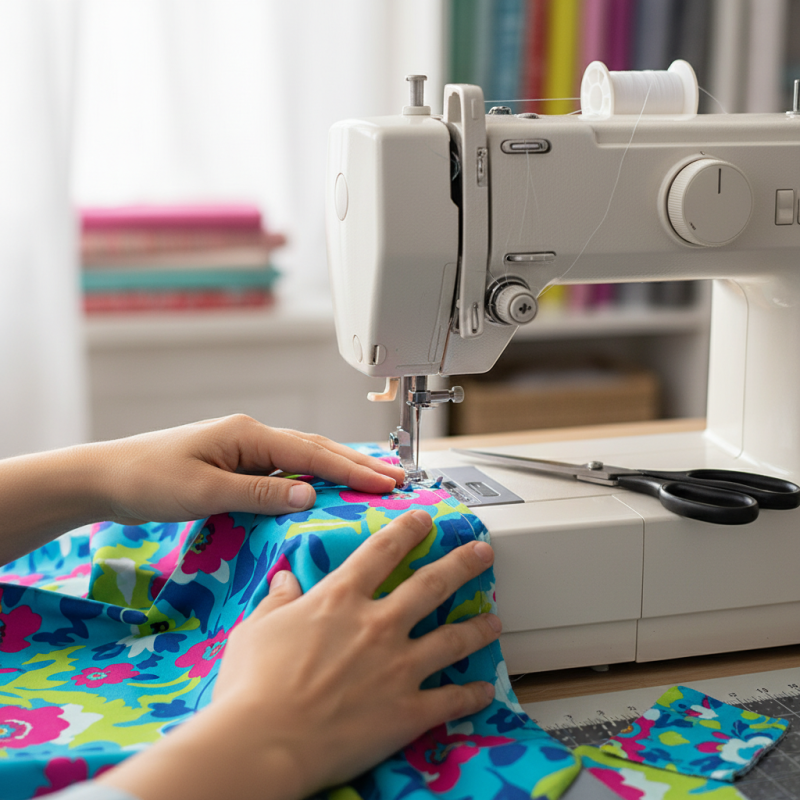
Choosing the right polyester fabric can greatly impact your sewing project. Polyester comes in various types, each with unique properties. Some are lightweight, ideal for summer garments. Others are heavy, suitable for outerwear. Understanding your project requirements is crucial.
Tips: When selecting fabric, consider the drape. A stiff polyester may not be suitable for flowing dresses. Test how the fabric behaves when you move it. It can feel different than expected. Additionally, check for sheerness. Some polyesters can be transparent when held up to the light.
Quality matters, too. Higher quality polyester often has a better finish. It will hold seams well and resist fraying. If you choose low-quality fabric, you may face issues later. It could wear out quickly or fail to hold its shape. Remember, sometimes a fabric looks great in the store but doesn’t perform well at home. Always explore samples when possible. Your fabric choice can set the tone for your entire project.
Essential Tools and Supplies for Sewing Polyester Fabric
When sewing polyester fabric, having the right tools is crucial. Begin with sharp scissors designed for fabric. Dull scissors can lead to uneven edges and frustration. A quality cutting mat will also help protect surfaces and extend the life of your tools.
Use a universal needle for your sewing machine. A size 80/12 works well for polyester. It helps create clean stitches without damaging the fabric. Don't overlook thread choice—polyester thread works best with polyester fabric. It offers strength and flexibility.
Tip: Test different needle sizes on scraps before starting your main project. This step may save you from potential errors and wasted fabric.
Ironing can be tricky with polyester. Use a low heat setting with a pressing cloth to prevent melting. It’s often easy to skip the pressing step, but it can significantly improve your seams. Take the time to press each seam flat.
Tip: Be mindful of your stitch length. A longer stitch can help prevent puckering, while a shorter stitch offers more strength. Choosing the right balance is essential for a polished finish. Remember, practice makes perfect when working with challenging fabrics like polyester.
Essential Tools and Supplies for Sewing Polyester Fabric
Techniques for Cutting Polyester Fabric Accurately
Cutting polyester fabric accurately is crucial for achieving a professional finish. This material can be tricky to work with due to its slippery nature. Start by using a sharp pair of fabric scissors or a rotary cutter. These tools provide clean cuts and help avoid fraying.
Tips: Always cut on a flat surface. Use weights or pins to hold the fabric in place. This prevents it from shifting while you cut. Double-check your measurements before making any cuts. It’s easy to make mistakes, especially with slippery fabrics.
Remember to pay attention to the pattern's grainline. Cutting against the grain can lead to distortion. If you find it difficult to cut precisely, consider using pattern weights instead of pins. Pins can create unwanted holes and affect your final product. Don't rush this step; take your time to achieve the best results.
How to Sew Polyester Fabric Easily for Perfect Results? - Techniques for Cutting Polyester Fabric Accurately
| Technique |
Description |
Tips |
| Pre-washing |
Washing polyester fabric before cutting to prevent shrinkage. |
Use warm water and mild detergent. |
| Cutting with Sharp Scissors |
Using sharp fabric scissors for clean cuts. |
Ensure scissors are exclusively for fabric. |
| Using a Rotary Cutter |
A rotary cutter can provide straight, precise cuts. |
Use a cutting mat for best results. |
| Pinning Patterns |
Secure the fabric with pins to maintain pattern alignment. |
Use fine pins to avoid mark impressions. |
| Serging Edges |
Serging prevents fraying and keeps edges clean. |
Test on scraps first for settings. |
| Using a Walking Foot |
A walking foot helps feed fabric evenly while sewing. |
Adjust tension for smooth sewing. |
Sewing Methods and Stitch Types Suitable for Polyester
Sewing with polyester requires specific methods and stitch types for optimal results.
Polyester, a popular fabric, is known for its durability and elasticity. However, its slick texture can be challenging.
A report from the Textile Association highlights that 65% of sewers face issues with slippage when working with polyester.
Choosing the right stitch is crucial. For instance, a straight stitch works well for seams, but a zigzag stitch can prevent fraying.
The needle type also matters. A ballpoint needle is ideal for polyester blends, allowing for smooth sewing.
According to recent data, using the correct needle can reduce the chances of fabric damage by 30%.
Many sewers underestimate the importance of tension settings. Incorrect tension can lead to puckering or uneven stitches.
Crafting a solid seam often involves testing on fabric scraps. Professionals recommend testing various stitch types,
which can lead to unexpected results. Over time, you'll notice the subtle differences these tweaks make.
It's a learning curve; embracing imperfections is part of the journey.
Finishing Edges and Hemming for a Professional Look
When sewing polyester fabric, finishing edges and hemming are crucial. They enhance the durability of the fabric and give it a polished look. A report from the Textile Research Journal highlights that about 70% of garments fail quality inspections due to poor edge finishing. This statistic emphasizes the importance of getting it right.
Using a zigzag stitch can prevent fraying and unraveling. For a clean hem, consider a narrow hem technique. This method can create a refined finish on lighter fabrics. Remember, polyester can be slippery, so stay focused while handling it. Some may find the fabric challenging to manage, leading to uneven hems. It’s essential to practice and refine your technique over time.
Don’t forget to press each seam as you go. A well-pressed hem can make a noticeable difference. Many novice sewers overlook this step. As a result, hems may appear wavy or uneven. It is beneficial to invest time in perfecting this small yet impactful detail. Ultimately, achieving a professional look requires patience and attention to detail. Each imperfection presents an opportunity for growth. Embrace the learning journey.