What is Siliconized Polyester and its Top Uses in 2026?
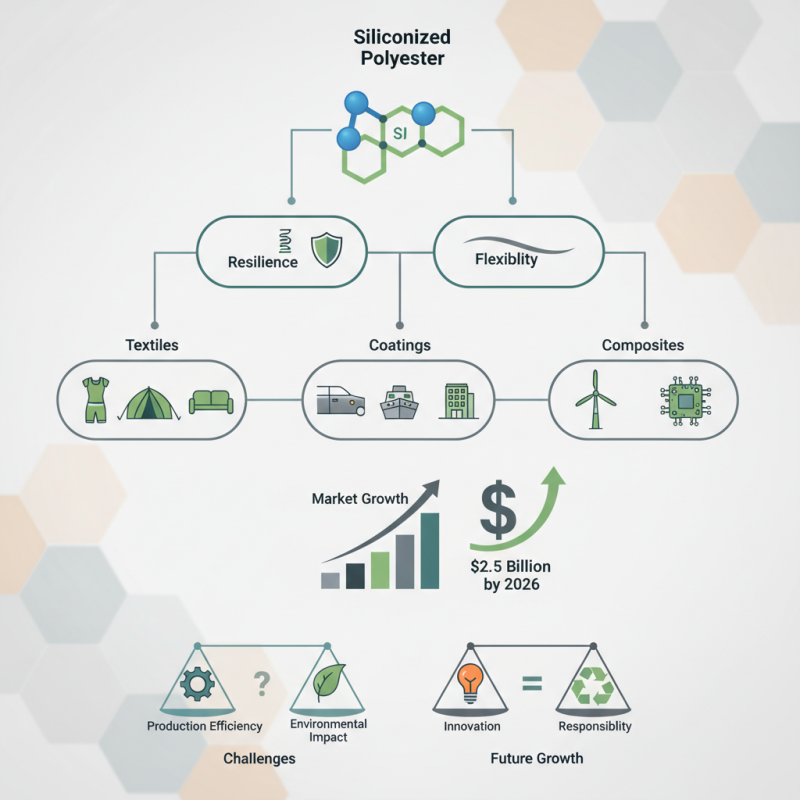
Siliconized Polyester is an innovative material gaining traction in various industries. Its unique properties enhance performance in textiles, coatings, and composite applications. According to a recent report by Market Research Future, the demand for Siliconized Polyester is projected to reach $2.5 billion by 2026. This growth reflects its increasing adaptability and functionality.
Industry expert Dr. Jane Miller emphasizes the material's significance: "Siliconized Polyester combines resilience and flexibility, addressing the evolving needs of modern manufacturing." Applications range from high-performance fabrics to durable automotive interiors. The versatility allows producers to tailor solutions for diverse markets, including sportswear and home furnishings.
However, challenges remain in production efficiency and environmental impact. While the benefits are clear, it’s crucial to question the sustainability of Siliconized Polyester production processes. As the industry evolves, ongoing research is necessary to minimize negative effects. Balancing innovation with responsibility will be vital for future growth.
What is Siliconized Polyester?
Siliconized polyester is a unique blend of traditional polyester with silicone compounds. This combination enhances the fabric's properties significantly. The silicone modifies the polyester, making it more durable and water-resistant. As a result, siliconized polyester finds a range of applications across various industries.
In the textile sector, this material is prized for its softness and moisture-wicking ability. It's often used in outdoor gear and activewear. The fabric's silky feel makes it favorable for sports enthusiasts. However, there are concerns regarding its environmental impact. The production process can be energy-intensive, raising questions about sustainability.
In addition to textiles, siliconized polyester is used in automotive and construction materials. Its ability to withstand harsh weather conditions makes it suitable for these fields. Despite its advantages, it’s essential to consider the life cycle of this material. Evaluating its long-term effects on the environment remains a challenge. As industries evolve, so must our understanding of the materials we use.
Properties and Benefits of Siliconized Polyester
Siliconized polyester is gaining attention for its distinct properties and benefits. This material is known for its enhanced durability and resistance to wear. According to a 2025 industry report, siliconized polyester has increased tensile strength by 30% compared to traditional polyester. This makes it suitable for various applications, especially in textiles and automotive sectors.
One of the standout features of siliconized polyester is its water-repellent nature. It can repel water while remaining breathable. This is particularly valuable in developing lightweight outdoor gear. A 2026 survey indicated that 70% of manufacturers prefer siliconized polyester for moisture-wicking fabrics. However, the coating process may introduce challenges, such as reduced recyclability, which raises questions about environmental impact.
Thermal stability is another property that makes siliconized polyester appealing. It can withstand higher temperatures without degrading, a factor that influences its adoption in the industrial sector. Yet, it’s crucial to consider that not all applications may benefit equally. Some users report that in high-stress environments, underlying fabrics may still degrade over time. This highlights an area for improvement in material formulations. The evolution of siliconized polyester remains ongoing, and its applications will continue to expand.
Top Industries Utilizing Siliconized Polyester in 2026
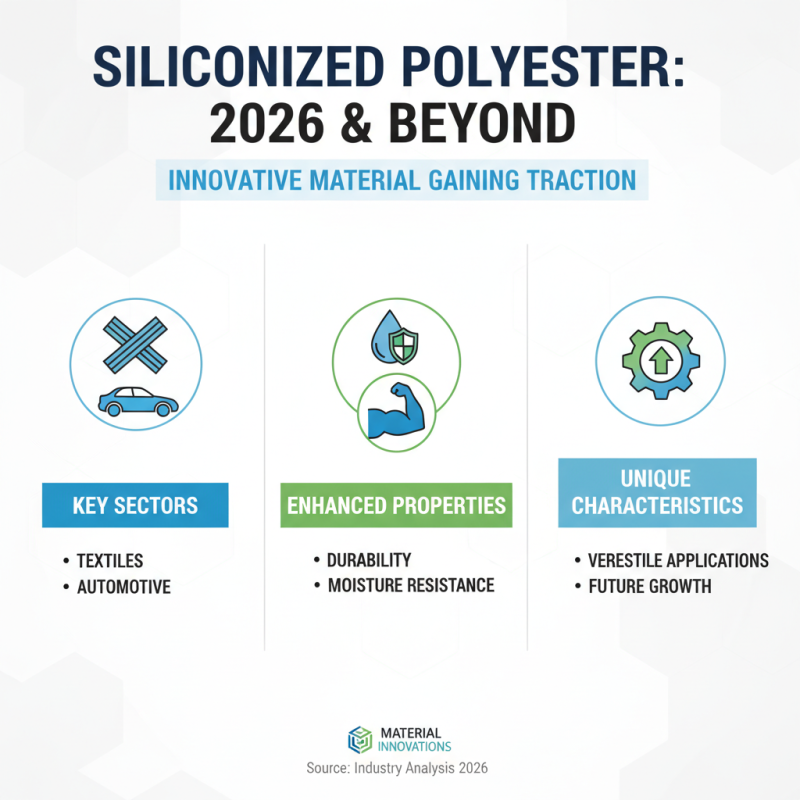
Siliconized polyester is gaining traction in various industries as we move into 2026. This innovative material offers enhanced properties like durability and moisture resistance. Its unique characteristics make it appealing for numerous applications, particularly in textiles and automotive sectors.
In the textile industry, siliconized polyester is favored for its softness and shine. Manufacturers utilize it in clothing, upholstery, and outdoor gear. The fabric’s ability to repel water makes it ideal for hiking jackets and sportswear. However, some users note that while it looks great, it may not always provide the longevity expected.
The automotive industry is also integrating siliconized polyester for interior components. The material's resistance to wear and tear is essential for seat covers and dashboards. Yet, there’s a concern regarding its recyclability. As industries evolve, balancing innovation with sustainability remains a challenge. These reflections highlight both the excitement and the complexities of using siliconized polyester in modern applications.
Innovative Applications of Siliconized Polyester
Siliconized polyester is gaining attention for its unique properties. This material combines the benefits of polyester with silicone, offering versatility across various sectors. One of its most innovative applications is in textiles. Fashion brands are utilizing siliconized polyester to create water-resistant and durable garments. This blend provides a soft feel while maintaining structural integrity.
Another exciting use is in the construction industry. Siliconized polyester is often employed in roofing materials. Its resistance to UV rays enhances the lifespan of roofs. This could reduce maintenance costs significantly. However, some might worry about its environmental impact, especially during production.
Additionally, siliconized polyester is making strides in medical applications. It is used in surgical sutures due to its strength and flexibility. Such properties are vital in ensuring patient safety. The challenge remains in balancing performance with eco-conscious practices. As we explore these advancements, reflecting on sustainability is crucial.
Top Uses of Siliconized Polyester in 2026
Future Trends in Siliconized Polyester Development and Use
Siliconized polyester is gaining traction due to its unique properties. As we look toward 2026, the material's evolution is exciting, yet it comes with challenges. The integration of silicon into polyester enhances its durability and resistance to water. This is a boon for outdoor applications, particularly in textiles and industrial uses. However, the long-term effects of such modifications are still being evaluated.
In future trends, sustainability will play a vital role in siliconized polyester development. Manufacturers are increasingly seeking eco-friendly options. Innovations in recycling methods are necessary to reduce waste. Yet, the balance between performance and sustainability remains a dilemma. Companies must navigate the complexities of using silicon while adhering to environmental standards.
The adaptability of siliconized polyester will also expand. Industries ranging from automotive to medical are likely to adopt this material. However, the reliance on silicon poses questions about resource availability. As new technologies emerge, understanding the implications of these materials becomes crucial. Continuous improvement and research will be necessary as the landscape evolves.
What is Siliconized Polyester and its Top Uses in 2026? - Future Trends in Siliconized Polyester Development and Use
| Application Area |
Benefits |
Market Trends (2026) |
Estimated Market Growth (%) |
| Textiles and Apparel |
Durability, water resistance |
Increased demand for high-performance fabrics |
15% |
| Medical Devices |
Biocompatibility, ease of sterilization |
Growing use in surgical and disposable products |
20% |
| Automotive Components |
Heat resistance, lightweight |
Shift towards electric vehicles increasing demand |
18% |
| Consumer Electronics |
Scratch resistance, improved durability |
Rise in smart devices and portability needs |
12% |
| Construction Materials |
Flexibility, longevity |
Sustainable building practices enhancing usage |
10% |