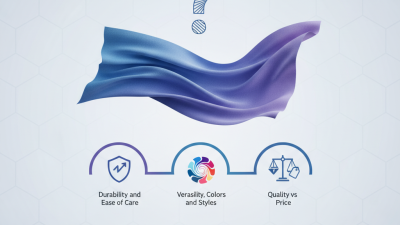
Top Tips for Choosing Synthetic Polyester Fabric for Your Needs?
When selecting the perfect Synthetic Polyester Fabric for various applications, expertise is vital. Renowned textile expert Dr. Julia Harper states, "Choosing the right fabric is paramount for both function and comfort." With this insight, consumers must consider several key factors.
Synthetic Polyester Fabric offers durability, affordability, and versatility, making it popular across industries. However, understanding your specific needs is crucial. Not all polyester fabrics are created equal. Some may lack breathability, while others may not offer the desired texture.
Moreover, the manufacturing process greatly impacts the quality of Synthetic Polyester Fabric. This fabric can be more sustainable today, yet not every option is environmentally friendly. Consumers should reflect on their choices and seek fabric that aligns with both performance and sustainability. As you navigate through the options, remember to prioritize quality and feel over just price alone.
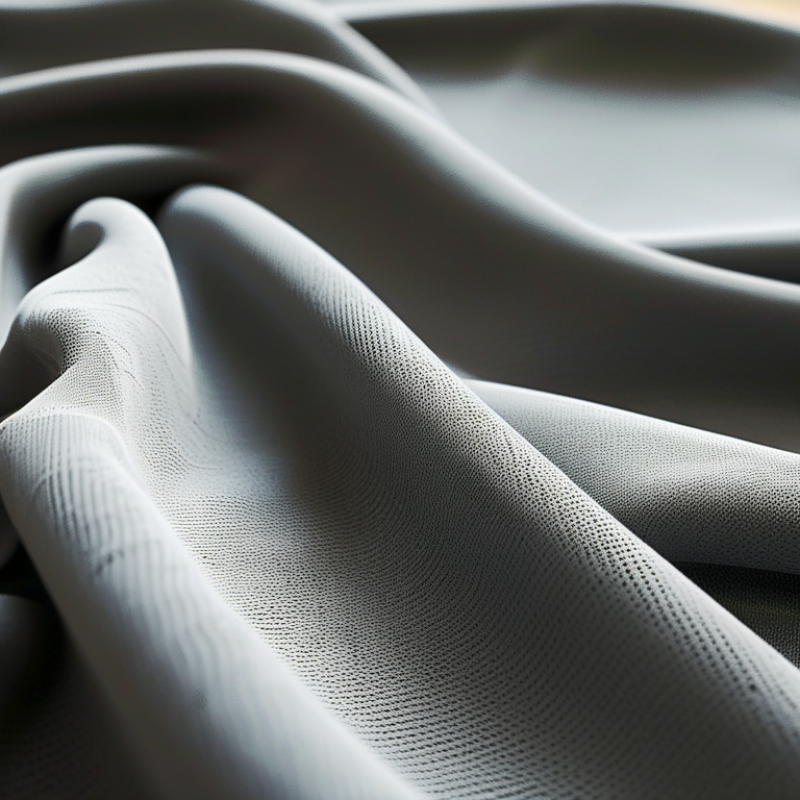
Factors to Consider When Selecting Synthetic Polyester Fabric
When selecting synthetic polyester fabric, several factors should be considered to ensure it meets your specific needs. The weight of the fabric is crucial. Lightweight polyester is ideal for active wear and summer clothing, while heavier variants work well for outerwear and upholstery. Data shows that fabric weight can affect durability and comfort. For example, 100 grams per square meter (gsm) is typical for lightweight applications, while 300 gsm is common for thicker materials.
Additionally, the fabric's performance attributes matter significantly. This includes moisture-wicking abilities, breathability, and UV resistance. Research indicates that polyester can be up to 30% more effective at moisture management than other synthetic fabrics. It is essential to assess these performance metrics based on your intended use. For instance, outdoor enthusiasts should prioritize UV protection and water resistance.
Lastly, consider the environmental impact of synthetic fabrics. Polyester is derived from petroleum, raising sustainability concerns. Some reports suggest it can take up to 200 years to decompose. This fact raises importance for consumers aware of eco-friendly choices. Reflecting on these factors can lead to more informed decisions when choosing the right polyester fabric for your needs.
Understanding the Different Types of Polyester Fabrics Available
When choosing synthetic polyester fabric, it's crucial to understand the various types available. There are several common types, including basic polyester, recycled polyester, and microfiber. Each type has unique properties that suit different applications. Basic polyester is durable and resistant to wrinkles, but it may not be as breathable as other options. Recycled polyester, made from plastic bottles, offers an eco-friendly choice without sacrificing quality. Microfiber fabric is exceptionally fine, providing a soft feel and superior absorbency.
Consider the intended use of the fabric. If you need something lightweight and breathable, look for technical polyester blends. These can enhance comfort and performance. For outdoor or active wear, moisture-wicking properties are essential. Nylon blends might also be beneficial in such cases. It's important to reflect on the limitations of each type, especially in terms of sustainability. Choosing recycled options can reduce environmental impact, but they might not perform as well in some scenarios.
Ultimately, it's about finding the right balance between function and sustainability. Recognizing that no fabric is perfect is key. The right polyester fabric can improve both your projects and your conscience. Keep these factors in mind as you make your choice.
Evaluating the Durability and Performance of Polyester Fabrics
When selecting synthetic polyester fabric, durability and performance are crucial factors. Reports indicate that polyester typically exhibits a high tensile strength, often measured at around 4.5-5.5 grams per denier. This means it can withstand considerable wear and tear, making it ideal for various applications, from apparel to upholstery.
Moreover, polyester is known for its resistance to shrinking and stretching. Many industry experts highlight its ability to retain shape after washing. A study published by the Synthetic Fiber Association shows that polyester can maintain its original dimensions up to 90% after multiple washes. This characteristic makes it an attractive option for consumers seeking long-lasting products.
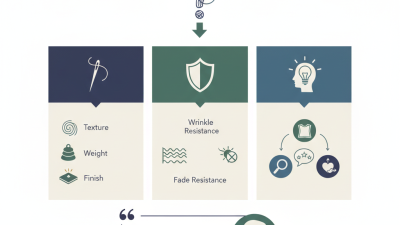
However, not all polyester fabrics are created equal. The manufacturing process impacts their overall quality. Some lower-grade polyester options may suffer from pilling and fading over time. It's essential for buyers to conduct proper research and consider the fabric's weave and finish. This can significantly affect the fabric’s performance and longevity.
Assessing Environmental Impact and Sustainability of Polyester
When considering synthetic polyester fabric, understanding its environmental impact is crucial. Polyester, while durable and versatile, is made from petrochemicals. This reliance on fossil fuels raises concerns about carbon emissions and environmental degradation. Choosing recycled polyester can help mitigate some of these issues. The recycling process uses less energy than creating new polyester from scratch. Opting for recycled options can contribute to a circular economy.
Another key aspect to consider is water consumption. The production of conventional polyester is often water-intensive. It can result in significant waste and pollution. Some manufacturers are adopting more sustainable practices, reducing water usage. It's important to inquire about production practices before making a purchase.
While polyester has advantages, its downsides warrant reflection. Biodegradability remains a challenge, as it can take hundreds of years to decompose. Evaluating your long-term needs and the sustainability of the fabric is essential. Choosing polyester should involve careful consideration of its overall environmental footprint.
Cost-Effectiveness: Pricing Trends in the Polyester Fabric Market
The polyester fabric market has been steadily growing, reflecting its versatility and affordability. Recent industry reports indicate that the global market for polyester fabrics is expected to reach over $70 billion by 2027. This growth is primarily driven by the increased demand in sectors like apparel and home textiles. Price points for synthetic polyester have shown an upward trend, owing to fluctuations in crude oil prices, which directly impact production costs.
While synthetic polyester is often more cost-effective than natural fibers, buyers should remain cautious. Prices can vary significantly based on quality and supplier. High-quality polyester may carry a higher upfront cost, but its durability and resistance to wear can lead to better value over time. A report by the Textile Federation noted that consumers increasingly seek sustainable and recycled polyester options, which can sometimes increase prices but secure long-term benefits.
Navigating these pricing trends can be tricky. For example, many smaller manufacturers find it challenging to compete with larger firms that benefit from economies of scale. This disparity may lead to fewer options for consumers looking for quality synthetic polyester at lower price points. Hence, it’s crucial to weigh the cost against the expected lifespan and performance of the fabric.
Cost-Effectiveness: Pricing Trends in the Polyester Fabric Market
This chart illustrates the average price trends of synthetic polyester fabric from 2018 to 2023. As seen, the prices have gradually increased over the years, reflecting changes in production costs and market demand.