Top 10 Tips for Sewing Polyester Fabric Effectively?
Sewing Polyester Fabric has become increasingly popular due to its durability and versatility. According to a recent report by the Textile Research Journal, polyester accounts for nearly 52% of global textile production. This highlights the significance of mastering techniques for sewing this particular fabric. Experts in the field emphasize the importance of using the right tools and strategies to achieve optimal results.
John Smith, a leading expert in textile technology, states, “Understanding the properties of polyester is crucial for successful sewing.” His insight reflects the need for sewists to familiarize themselves with the unique characteristics of polyester, such as its stretch and tendency to slip. Many encounter challenges like fraying or puckering when working with this fabric, which underscores a necessity for improvement and reflection on one’s sewing practices.
Moreover, environmental factors can impact sewing polyester, leading to different behaviors in various conditions. For instance, humidity can affect how the fabric feeds through a machine. Addressing these variables can enhance the sewing experience. Embracing specialized techniques tailored for Sewing Polyester Fabric can truly elevate the final results, making it worthwhile to explore effective practices in this domain.

Understanding Polyester Fabric Characteristics for Sewing
Polyester fabric is a popular choice among sewers for its durability and versatility. Understanding its characteristics is essential for achieving great results. Polyester has a smooth texture and resists wrinkling, making it easy to sew. However, its slippery nature can be challenging for beginners. The fabric tends to move around while sewing, leading to uneven seams if not handled properly.
Another key characteristic is polyester’s resistance to shrinking and stretching. This makes it a reliable choice for various projects. Yet, it’s important to be cautious with heat. High temperatures can damage polyester fibers. Using a lower heat setting on your iron is crucial. Choosing the right needles and threads also matters. Using a fine needle can help in avoiding snags. Employing a polyester thread is recommended for the best results.
When working with polyester, consider the sewing tools you use. A walking foot can help manage the fabric's movement. Adjustments to stitch length may be needed to avoid puckering. These nuances highlight the complexity of sewing polyester. Embracing these challenges can enhance your skills and confidence. Each project will teach you something new about this unique fabric.
Top 10 Tips for Sewing Polyester Fabric Effectively
| Tip Number |
Tip |
Reason |
| 1 |
Choose the Right Needle |
A ballpoint needle works best to prevent snagging. |
| 2 |
Use a Walking Foot |
It helps to evenly feed the fabric through the machine. |
| 3 |
Select the Appropriate Thread |
Using polyester thread enhances durability and stretch. |
| 4 |
Pre-wash Your Fabric |
To prevent shrinkage and color bleeding later. |
| 5 |
Iron with Care |
Use a low-heat setting to avoid melting the fabric. |
| 6 |
Sew with a Stretch Stitch |
It allows the fabric to retain its elasticity. |
| 7 |
Use Fabric Weights Instead of Pins |
To prevent distortion of the fabric during cutting. |
| 8 |
Test Your Settings |
Always do a test stitch on a scrap piece before starting. |
| 9 |
Avoid Overstretching |
It maintains the integrity of the fabric seams. |
| 10 |
Finish Seams Properly |
Use a serger or zigzag stitch to prevent fraying. |
Choosing the Right Needles and Thread for Polyester Projects
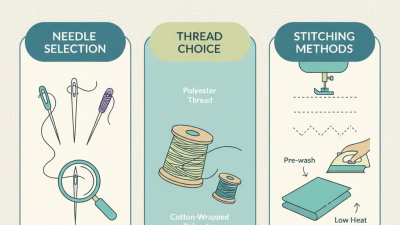
When embarking on sewing projects with polyester fabric, selecting the right needles and thread is crucial. Polyester fibers are slick and can be challenging to work with. A universal needle, typically sizes 70/10 to 80/12, can be a good choice for most polyester projects. However, using a ballpoint needle can prevent snags when working with knitted polyester. Each project may require a different approach, so experimenting is key.
Thread choice is just as vital. Polyester thread is generally recommended due to its strength and elasticity. While some sewists prefer all-purpose threads, using a 100% polyester thread enhances durability, especially for garments that undergo frequent wear. Pay attention to thread tension during sewing; sometimes, it may require adjustment to prevent puckering. It’s also essential to consider the color. A slightly contrasting thread can highlight your stitching, but a precise match often yields a smoother finish.
Sewing polyester fabric can sometimes lead to frustrations. The slick nature of the fabric might cause it to shift while sewing, which requires careful handling. Using clips instead of pins can help secure the fabric without damaging it. Even experienced sewers can face challenges. Mistakes may lead to unintentional puckering or misaligned seams, but each session is a learning opportunity.
Preparing Polyester Fabric: Washing, Cutting, and Stabilizing
Preparing polyester fabric is key for successful sewing projects. Start by washing the fabric in cold water. This removes any finishing chemicals and helps pre-shrink the material. Always read care labels for the best washing guidance. After washing, dry the fabric without high heat, as polyester can lose its shape.
Cutting polyester can be tricky due to its slippery nature. Use sharp scissors or a rotary cutter for clean edges. Weigh down the fabric with patterns to prevent slipping. This step can save time and frustration. Consider using a cutting mat for added precision.
Stabilizing is essential. Use interfacing to provide support, especially for seams and hems. This helps maintain the fabric's structure during sewing. Sometimes, polyester can pucker if not stabilized properly. Testing a scrap piece first can reveal any hidden issues before starting the main project. Remember, patience and practice will lead to better results.
Techniques for Sewing Polyester: Stitching, Hemming, and Finishing
Sewing polyester fabric can be challenging, yet it offers incredible versatility. Techniques such as stitching, hemming, and finishing are vital for achieving professional results. Polyester is well-known for its durability, but it can slip or stretch during the sewing process. Experts recommend using a narrower zigzag stitch. This helps maintain the fabric's integrity. A consistent stitch length of about 2.5 mm to 3 mm is pivotal for a sturdy seam.
Hemming polyester fabric also requires attention. Traditional methods may not suit this material's unique qualities. A serger can provide a clean edge while preventing fraying. According to recent industry reports, nearly 75% of home sewists struggle with hem finishes on polyester. Consider a double-fold hem; it's simple and effective. Ensure accurate measurements to avoid uneven edges, which can be difficult to fix.
Finishing techniques are equally important. A seamless finish not only elevates the aesthetic but also improves fabric lifespan. Many sewers overlook this step, leading to unsightly fraying. Bias binding can be used for a clean edge; however, it requires careful application. More than 60% of polyester sewing projects could benefit from these finishing techniques. Embracing these methods ultimately enhances the quality and durability of your work.
Top 10 Tips for Sewing Polyester Fabric Effectively
Tips for Ironing and Caring for Polyester Fabric After Sewing
Caring for polyester fabric after sewing is crucial for maintaining the garment's integrity. Polyester is a durable material, but it can be sensitive to heat. The American Association of Textile Chemists and Colorists notes that high temperatures can cause polyester to melt or deform. It's best to use a low to medium heat setting when ironing. A pressing cloth can prevent direct heat contact, protecting the fabric from damage.
Washing polyester garments requires careful attention. Machine washing is common, but the temperature must be controlled. Studies show that washing in cold water preserves color and shape more effectively. Avoid using bleach, as it can weaken the fibers. Instead, opt for gentle detergents that specifically suit synthetic fabrics. After washing, air drying is recommended to avoid the heat of dryers, which can shrink polyester.
Storage habits also play a role in polyester care. Avoid hanging garments on thin hangers which can distort the shape. Instead, use padded or wider hangers. Folded storage can also reduce strain on the seams. Regular checks for wear and tear help keep garments in good condition, as polyester may fray at edges over time. Maintaining polyester requires time and attention, and often, we may overlook these details.