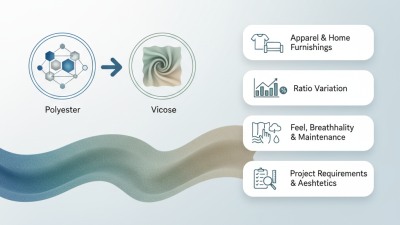
Top 5 Tips for Using Polyester Viscose Blend in Your Products?
Polyester Viscose Blend is a versatile fabric that combines durability with comfort. This blend offers unique qualities that make it suitable for various products. Understanding how to utilize it can enhance both aesthetic appeal and functionality.
The right tips can help you maximize its benefits. For instance, consider the right mix ratio for your needs. This blend is known for its softness and excellent draping quality. However, achieving the perfect balance can be challenging. Small adjustments in composition can make a significant difference in the final product.
Additionally, care and maintenance of Polyester Viscose Blend are essential. It’s crucial to choose appropriate cleaning methods to preserve its integrity. Delving into production techniques can also lead to better outcomes. Emphasizing these aspects will ensure your products stand out. Ultimately, thoughtful application of these insights can elevate your offerings in the market.

Understanding Polyester Viscose Blend Properties and Benefits
Polyester viscose blends offer unique properties that make them popular in the textile industry. This material combines polyester's durability with viscose's softness, creating versatile fabrics. According to a report by Allied Market Research, the global viscose fibers market is projected to reach USD 21 billion by 2025. This indicates the growing interest in materials that blend functionality and comfort.
The benefits of using this blend are clear. Polyester adds resilience, while viscose enhances breathability. This combination results in fabrics that resist wrinkles and retain their shape. Additionally, garments made from this blend are less prone to shrinking. However, the environmental impact of polyester production raises concerns. The recycling process remains complex, which could deter eco-conscious consumers.
Maintaining the balance between performance and environmental concerns is essential. Fabrics may sometimes feel less luxurious than pure materials. Moreover, colorfastness might vary with different dyeing techniques. Industry experts suggest testing blends thoroughly to ensure quality. Awareness of these aspects can lead to better product decisions. Ultimately, understanding the properties of polyester viscose blends helps manufacturers innovate while addressing market demands.
Top 5 Tips for Using Polyester Viscose Blend in Your Products
Ideal Applications for Polyester Viscose Blend in Fashion Products
Polyester viscose blend is a versatile fabric choice for modern fashion. It combines the durability of polyester with the softness of viscose. This blend is ideal for garments that require both comfort and style. Products like dresses and skirts benefit significantly from this fabric blend. They feature a luxurious drape and breathability, enhancing the wearer's experience.
One of the most popular applications is in activewear. The combination of fibers allows for stretchy yet structured designs. Athleisure pieces made from polyester viscose blend provide ease of movement. They wick moisture away while feeling soft against the skin. This is crucial for consumers who value functionality alongside aesthetics.
However, working with this fabric is not always straightforward. Proper care and treatment are essential to maintain quality. Many designers face challenges with dyeing and fading over time. It’s vital to test fabrics before committing to large production runs. Immersing in these details leads to better outcomes and satisfied customers.
Top 5 Tips for Using Polyester Viscose Blend in Your Products
| Tip |
Description |
Ideal Applications |
| 1. Understand Fabric Properties |
Recognize the moisture-wicking and breathable characteristics of polyester viscose blends. |
Sportswear, activewear |
| 2. Focus on Comfort |
Utilize the softness of viscose to enhance the comfort level of your products. |
Casual wear, loungewear |
| 3. Ensure Durability |
Leverage the strength of polyester for long-lasting garments. |
Workwear, uniforms |
| 4. Select Appropriate Blends |
Experiment with different ratios to achieve desired texture and feel. |
Fashion apparel, formal wear |
| 5. Consider Care Instructions |
Keep in mind the ease of washing and maintenance when designing products. |
Everyday clothing, travel apparel |
Techniques for Enhancing Durability and Care of Polyester Viscose Fabrics
Polyester viscose blend fabrics are popular for their comfort and versatility. However, ensuring durability requires attention. Regular washing can compromise the fibers. Use cold water to preserve the fabric’s integrity. This simple step can help maintain color and reduce shrinkage.
Proper storage also enhances longevity. Avoid hanging these fabrics on thin hangers, as it can stretch the material. Instead, fold them neatly. Additionally, consider using fabric conditioners during the wash cycle. This can soften the fabric and reduce static cling. However, excessive use might lead to residue buildup, diminishing breathability.
Keep an eye on pilling, a common issue with blends. A fabric shaver can help, but excessive shaving can wear down fibers. Test areas discreetly to prevent damage. Regular inspection can help you catch these issues early, maintaining the fabric’s appearance and function.
Coloring and Printing Options for Polyester Viscose Blend Products
Polyester viscose blends are becoming increasingly popular for a range of products. Their versatility offers exciting opportunities for coloring and printing. When selecting colors for these fabrics, it’s essential to consider how dye interacts with the polyester and viscose fibers. The blend’s unique properties can produce vibrant hues that stand out. However, achieving consistency can be challenging. Sometimes, the dye might not adhere evenly to both fibers, leading to unexpected variations.
Screen printing is a favored method for these blends. It works well due to the fabric's smooth surface. Using water-based inks can yield remarkable results, giving a soft feel. But keep in mind that not all inks are suitable. Some may not penetrate the fibers as effectively, resulting in dull or washed-out designs. Testing different inks can reveal surprising outcomes, both good and bad. Also, consider the effect of heat on the blend during the printing process. Excessive heat can damage fibers, altering the final product.
Digital printing opens up new possibilities for creativity. It allows for intricate designs and vivid patterns. However, this method can also expose weaknesses in the fabric. If the blend is too thin, it may not support detailed images well. Additionally, wetness from the printing process can cause the fabric to lose shape. Understanding these factors helps in making better decisions during production. Overall, experimenting with various techniques and colors is key to optimizing the appeal of polyester viscose blend products.
Sustainability Considerations When Using Polyester Viscose Blend Materials
The use of polyester viscose blends has become common due to their versatility. However, sustainability remains a significant concern. The production of polyester, derived from petroleum, contributes to environmental issues. According to the World Economic Forum, plastic production is expected to triple by 2030, exacerbating waste problems. This raises questions about our reliance on synthetic fibers.
Viscose, a semi-synthetic fiber made from wood pulp, also comes with sustainability challenges. The process can lead to deforestation if sourced irresponsibly. The Changing Markets Foundation reports that about 70% of viscose production leads to forest destruction. When integrating these materials, brands need a transparent supply chain to mitigate their environmental impact. Certifications like FSC or OEKO-TEX can help ensure responsible sourcing.
Additionally, customer awareness is growing. Research shows that 66% of consumers prefer sustainable brands. Companies must consider eco-friendly alternatives while using blends. Innovations in recycling processes may also lead to more sustainable practices. Rethinking material usage can help create a positive impact on both the market and the planet. It’s vital to balance functionality with ecological responsibility.