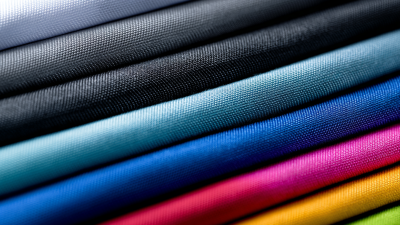
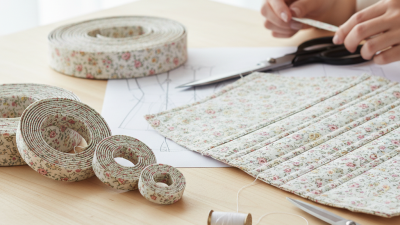
Finding China’s top Polyester Tricot Fabric suppliers requires more than comparing online catalogs. A dependable supplier should show consistent fabric quality, clear production records, and practical export experience. Buyers often examine fabric weight, usable width, stretch recovery, surface softness, and dye uniformity. These details become visible when a fabric roll is inspected under warehouse lighting. A smooth surface can still hide weak knitting or uneven finishing.
Many experienced manufacturers operate across textile regions such as Zhejiang, Jiangsu, and Fujian. However, location alone does not prove capability. Strong suppliers usually provide complete specifications, laboratory reports, sample approvals, and traceable batch information. Certifications such as OEKO-TEX Standard 100 should be checked through valid documentation. Factory audits can also reveal finishing equipment, quality-control procedures, and production capacity. Ask for recent references when possible.
The best supplier depends on your application. Sportswear, lining, swimwear, and home textiles require different constructions and finishes. A buyer may need moisture management, brushed backing, flame resistance, or strict color matching. Small sample orders can expose problems before larger commitments. This approach is slower, but safer. Supplier rankings are not permanent. They can change with machinery upgrades, staff turnover, raw-material sourcing, or inconsistent inspections. That matters.
This guide compares leading Chinese suppliers through product range, manufacturing experience, quality evidence, communication, minimum order quantities, and delivery reliability. It also considers whether a supplier responds clearly when specifications change. No factory is perfect. A transparent supplier that admits limitations may deserve more trust than one making broad promises. Careful verification remains essential before approving any Polyester Tricot Fabric production order.
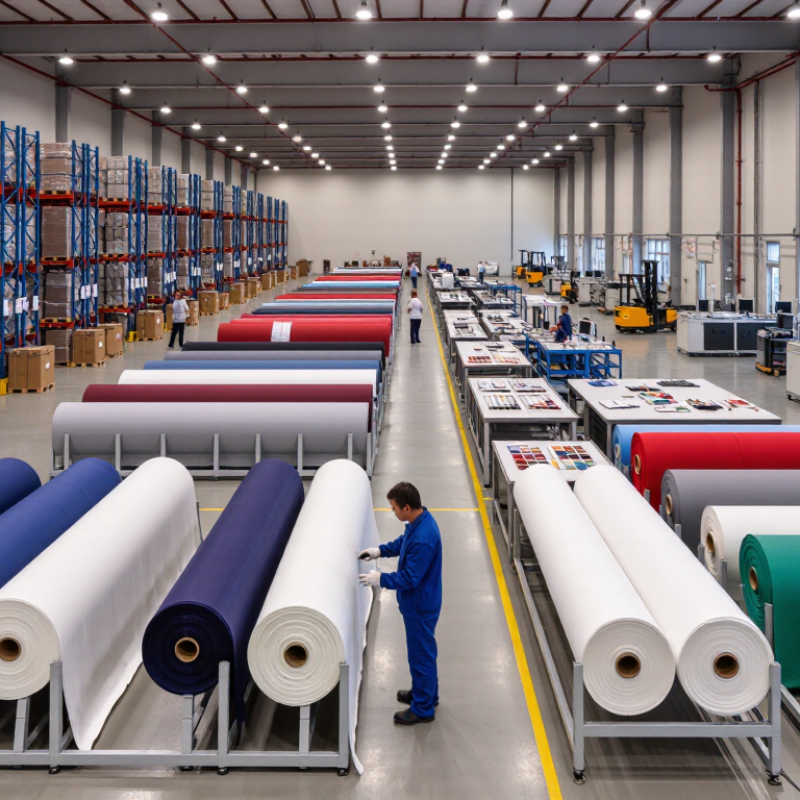
Polyester tricot fabric is a warp-knitted textile made from polyester yarns. Its loops create a stable, smooth surface with useful stretch and recovery. The front often feels sleek, while the back may show fine knitted ribs. Some constructions include elastane for closer fitting garments.
It is widely used in sportswear, swimwear, underwear, garment linings, flags, and lightweight upholstery. A tightly knitted tricot can resist snagging during repeated movement. A brushed version feels warmer against the skin. In practical sourcing, fabric weight, width, stretch direction, colorfastness, and pilling performance matter more than appearance alone. Small mistakes here can cause large production problems.
Textile Exchange’s Materials Market Report 2024 states that global fiber production reached about 124 million tonnes in 2023. Polyester represented roughly 57% of total fiber output, showing its major industrial role. The report also indicates continued growth in recycled polyester demand, although recycling systems remain uneven by region. Buyers should request test reports, recycled-content evidence, and clear production specifications from suppliers. A low price is not proof of quality. Even a beautiful roll can fail after washing. Supplier evaluation should include sample testing, factory communication, delivery records, and compliance documentation. Figures can vary by reporting method, so they deserve careful interpretation.

China Top Polyester Tricot Fabric Suppliers?
Why Source Polyester Tricot Fabric from China?
China is a practical sourcing base for polyester tricot fabric because its textile supply chain is broad and highly coordinated. Yarn producers, knitting mills, dye houses, and inspection teams often operate within reachable regions. This can shorten development time. It also supports flexible orders, from lightweight sports lining to dense fabric for bags, uniforms, and upholstery.
Buyers can request specific weight, width, stretch, surface texture, and color performance. A reliable supplier should provide a fabric specification sheet, sample card, and test data. Check GSM, shrinkage, colorfastness, pilling resistance, and seam strength. These details matter after washing, not just under showroom lights. Production costs may be competitive because suppliers purchase yarn and process fabric at scale. However, the cheapest quotation can hide weaker inspection or inconsistent dyeing.
Use a written quality standard before placing an order. Ask for a pre-production sample and compare it with the bulk shipment. Factory visits, third-party inspections, and batch records add useful evidence. Communication still needs care. Technical terms can be interpreted differently, especially for stretch recovery and hand feel. Sample approval may also create false confidence; bulk fabric can vary between dye lots. That risk deserves attention. Good sourcing is not only about price. It depends on traceable processes, realistic lead times, and a supplier willing to discuss defects openly.
China's large and expanding chemical-fiber manufacturing base supports stable polyester yarn availability, flexible fabric development, and scalable production for polyester tricot applications.
China chemical-fiber output, approximate annual volume in million tonnes. Polyester represents the dominant share of China's chemical-fiber sector. Source: China National Bureau of Statistics and China Chemical Fibers Association; figures rounded.
China’s leading polyester tricot fabric suppliers reveal their strengths through evidence, not attractive websites. Check their production experience, knitting equipment, and quality-control procedures. A reliable supplier should explain yarn denier, fabric weight, width, stretch, and finishing methods clearly. Vague answers deserve caution.
Request a physical sample before discussing large orders. Examine the surface under direct light. Look for uneven loops, needle lines, oil marks, or loose edges. Wash the sample according to your intended use, then measure shrinkage, color stability, and recovery. Ask for recent test reports covering composition, abrasion, colorfastness, and restricted substances. Reports should match the supplied fabric, not an unrelated specification.
Visit the factory when possible, or arrange a live video inspection. Observe raw-material storage, machine maintenance, inspection tables, and packaging conditions. Ask how defects are recorded and corrected. Strong suppliers provide batch numbers, inspection records, and realistic production schedules. They also explain minimum order quantities and replacement procedures without avoiding difficult questions.
Communication matters greatly. Slow replies may signal weak coordination, although busy factories can still be dependable. Do not judge from one conversation. Compare several samples and quotations using the same technical requirements. A low price may reflect thinner fabric, lower-grade yarn, or missing testing. No checklist is perfect. Leave room for independent inspection, because even experienced buyers can overlook a problem hidden inside a neatly packed roll.
Choosing among China’s polyester tricot fabric suppliers depends on the fabric’s use, not a ranking alone. For sports linings, swimwear, or brushed apparel, supplier type matters. A specialized knitting mill suits buyers needing stable construction, repeatable GSM, and controlled stretch. Its technical team can adjust yarn count, machine gauge, and finishing. This helps when a 180 GSM trial must become a 20,000-meter order. Ask for recent production samples, not only catalog swatches.
An integrated manufacturer fits projects requiring knitting, dyeing, printing, and finishing within one system. Fewer handoffs may improve shade consistency and delivery tracking. It may also support tests for colorfastness, pilling, shrinkage, and width tolerance. However, integrated capacity does not guarantee careful communication. Confirm the approval process for lab dips and bulk rolls.
A fabric trading company can suit mixed colors, smaller quantities, or several fabric structures. It may offer wider access, but production visibility can be weaker.
For urgent development, a sample-focused supplier can provide quick prototypes and construction changes. Not always. A fast sample may hide bulk-order limitations. Check MOQ, machine availability, inspection records, packing methods, and replacement terms in writing. In practical sourcing work, the cheapest quote often excludes finishing loss, testing, or carton protection. That difference appears later.
Compare the same specification sheet across supplier types. Include composition, finished width, GSM tolerance, stretch recovery, shade standard, and delivery window. Some decisions remain imperfect; a supplier that reports problems early may be safer than one promising everything.
Before placing an order with a China polyester tricot fabric supplier, buyers should verify the exact fabric specification. Confirm fiber composition, finished width, GSM, knitting structure, stretch percentage, and acceptable tolerances. A 180 GSM sample may become 168 GSM after finishing. That difference affects garment cost and performance.
Request recent laboratory reports, not only factory claims. Check colorfastness to washing, rubbing, and perspiration under ISO 105 methods. Also confirm pilling resistance, dimensional stability, bursting strength, and moisture management when relevant. Textile Exchange’s Materials Market Report 2024 estimated global fiber production at 124 million tonnes in 2023, with polyester representing about 57%. This scale makes traceability important, especially when recycled content is advertised. Ask for transaction certificates or equivalent chain-of-custody evidence.
Production details require equal attention. Confirm whether the quoted price includes dyeing, finishing, inspection, packing, and inland delivery. Clarify the minimum order quantity and whether small trial lots are possible. Request a sealed approval sample with shade, hand feel, width, and GSM recorded. Then compare bulk fabric against that sample using a documented inspection method. The AQL system can support defect evaluation, but it is not a substitute for your own risk assessment. Some buyers overlook roll-to-roll shade variation. That mistake is expensive. Lead-time promises also deserve caution; seasonal yarn shortages, machine scheduling, and re-dyeing can change delivery dates. Written terms protect both sides, but buyers should still leave practical time for testing.
| Confirmation Area | Key Data to Confirm | Practical Reference or Typical Range | Documents or Evidence to Request | Buyer Check Before Order |
|---|---|---|---|---|
| Fiber Composition | Polyester percentage, recycled content, elastane content if applicable, and yarn type. | Common constructions include 100% polyester or polyester blended with a small elastane percentage for stretch applications. | Technical data sheet, fiber composition declaration, and an independent laboratory test report when required. | Compare the approved sample with the bulk-production specification and confirm whether recycled polyester is certified or only claimed. |
| Fabric Weight | Finished fabric weight in grams per square metre (GSM). | Many polyester tricot fabrics are produced within approximately 60–250 GSM, depending on end use and construction. | GSM test result based on a defined sampling method and tolerance stated on the purchase order. | Specify a target GSM and an allowable tolerance, such as ±5%, rather than accepting only a general description like “lightweight.” |
| Usable Width | Open width, tubular width if relevant, selvage condition, and usable width after finishing. | Finished widths commonly fall around 150–230 cm, but the required width depends on the knitting machine and finishing process. | Width inspection record, fabric roll report, and a physical sample measured after conditioning. | Confirm whether the quoted width is total width or usable width and define the measurement condition. |
| Construction and Surface | Tricot structure, gauge, stitch density, face/back appearance, hand feel, luster, and surface uniformity. | Tricot fabrics may be smooth, brushed, laminated, mesh-like, or textured according to the knitting and finishing process. | Approved reference swatch, construction specification, and pre-production sample. | Use a signed or digitally approved sample as the visual and tactile quality standard. |
| Stretch and Recovery | Widthwise and lengthwise stretch, recovery after extension, and permanent elongation. | Stretch performance varies greatly by yarn, stitch construction, elastane content, and finishing; it must be specified by test method and direction. | Test report showing extension percentage, applied load, recovery time, and test direction. | Do not rely on the term “four-way stretch” without numerical results and a defined test procedure. |
| Colorfastness | Resistance to washing, rubbing, perspiration, light, and water where relevant to the product. | Performance requirements depend on the end use; apparel and home-textile applications often require separate wet and dry rubbing limits. | Colorfastness reports using recognized methods such as ISO 105 or equivalent ASTM methods. | Approve a lab dip or color standard before bulk dyeing and define acceptable shade variation. |
| Dimensional Stability | Shrinkage or growth after washing, drying, heat exposure, or steaming. | A buyer should specify maximum dimensional change separately for length and width; the limit depends on the garment or finished-product design. | 洗涤 and dimensional-stability test report with washing temperature, drying method, and conditioning details. | Match the test method to the intended care label and verify results on the finished construction, not only on untreated fabric. |
| Pilling and Abrasion | Pilling rating, abrasion resistance, snagging tendency, and surface durability. | Required performance depends on use; sportswear, lining, upholstery, and industrial applications typically need different thresholds. | Pilling and abrasion reports using recognized methods such as ISO 12945 and ISO 12947 or equivalent standards. | Test the exact finish and color because brushing, raising, coating, and dyeing can change surface performance. |
| Finishing and Chemical Compliance | Moisture management, brushed or anti-static finish, coating, flame resistance, odor, and restricted substances. | Any special finish should be linked to a measurable performance requirement and a defined durability claim. | Safety data, restricted-substance test report, finishing specification, and applicable compliance declaration. | Confirm that chemical compliance covers the finished fabric, including dyes, coatings, adhesives, and auxiliary chemicals. |
| Order Quantity and Production Lead Time | Minimum order quantity, minimum order per color, sampling time, bulk lead time, and capacity during peak periods. | Sampling may take several days to a few weeks; bulk production commonly requires additional weeks depending on yarn, dyeing, finishing, and order size. | Written quotation, production schedule, capacity statement, and order-validity period. | Confirm whether the lead time starts after deposit, color approval, yarn booking, or final artwork approval. |
| Inspection and Defect Control | Inspection system, roll length accuracy, holes, dropped stitches, oil marks, barre, shade variation, and joining points. | A documented four-point fabric inspection system is commonly used for roll evaluation, with buyer-specific defect limits. | Inspection procedure, roll inspection reports, defect photographs, and pre-shipment inspection record. | Agree on defect classification, penalty rules, replacement terms, and claim deadlines before production. |
| Packaging and Shipping | Roll length, roll diameter, inner tube size, moisture protection, labeling, carton or pallet requirements, and shipping terms. | Fabric should be packed to prevent moisture, compression damage, staining, and deformation during handling and transport. | Packing specification, commercial invoice, packing list, certificate of origin when needed, and agreed Incoterms. | Verify net and gross weights, roll identification, shipping marks, and responsibility for export and import clearance. |
| Payment and Contract Terms | Payment schedule, currency, deposit, balance trigger, inspection rights, warranty, and remedy for non-conforming goods. | Terms should connect payment release to agreed documentation and inspection results rather than verbal assurances. | Proforma invoice, sales contract, purchase order, quality agreement, and approved specification sheet. | Ensure the legal seller, bank-account holder, invoice entity, and contracting party are consistent and verifiable. |
| Sample-to-Bulk Consistency | Consistency of color, GSM, width, hand feel, stretch, finish, and packaging between the approved sample and bulk goods. | The approved sample should be clearly identified, dated, sealed or digitally recorded, and linked to the purchase-order specification. | Golden sample, sealed counter-sample, signed specification, and pre-shipment inspection report. | Keep one reference sample with the buyer and one with the supplier for dispute resolution. |