2026 Top Tips for Sewing Polyester Fabric Effectively?
Sewing polyester fabric can be a rewarding experience, but it also comes with its challenges. Renowned expert Jane Smith, known for her extensive work in textile arts, emphasizes, “Understanding fabric properties is vital for successful sewing.” This insight is crucial for anyone venturing into projects with polyester.
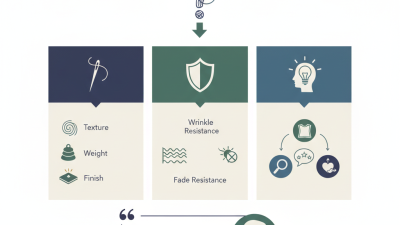
Polyester has unique characteristics, making it different from other fabrics. It is durable, resistant to wrinkles, and holds vibrant colors well. However, these same properties can present difficulties. Sewing polyester fabric may require specific techniques and tools to achieve the desired results. The slippery nature of the material can lead to misaligned seams if not handled properly.
As you embark on your sewing journey, consider both the advantages and challenges of polyester. It’s essential to reflect on your strategies and approaches. Learning from mistakes can enhance your skills in sewing polyester fabric. Embrace the trial and error process as part of your growth in mastering this versatile textile.
Essential Tools for Sewing Polyester Fabric Successfully
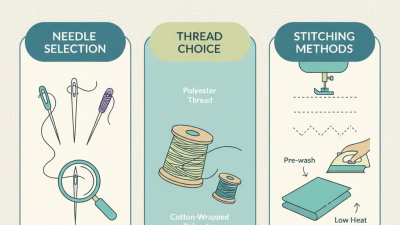
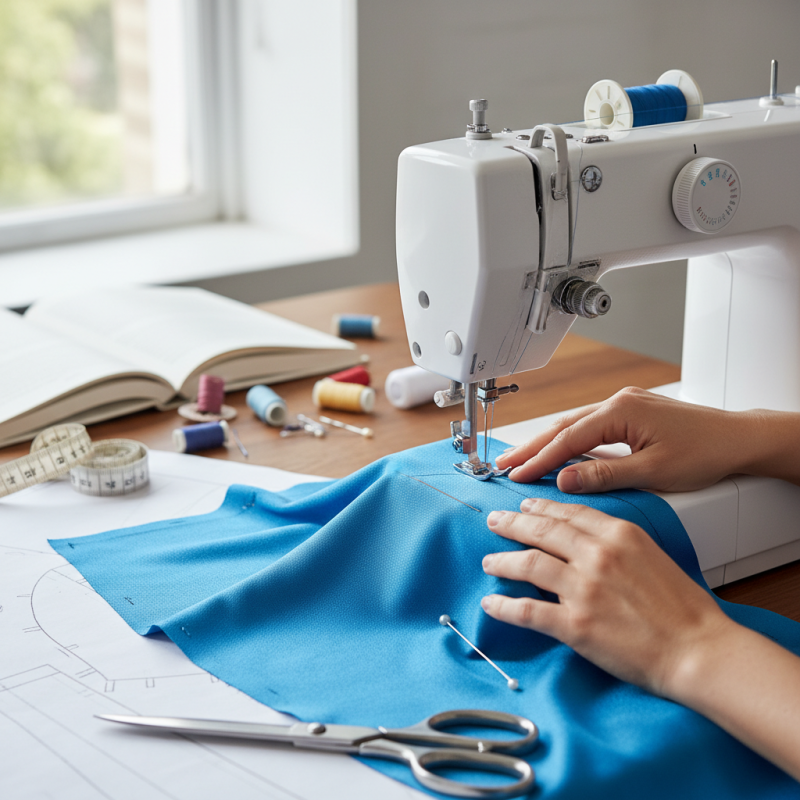
When sewing polyester fabric, the right tools make a significant difference. Start with a good sewing machine that has adjustable settings. This allows you to handle the fabric’s slippery texture more easily. A walking foot is essential as it helps feed the fabric evenly, preventing it from stretching. Don't forget to use the right needle—a ballpoint or a microtex needle works well for polyester.
Thread choice is equally important. Opt for a polyester thread that matches your fabric. This ensures durability and reduces the likelihood of fraying. Additionally, using spray starch can help control the fabric during cutting and sewing. Be cautious not to apply too much, as it can make the fabric stiff.
It's also vital to test your stitches on scrap fabric. Sometimes, the first attempt doesn’t yield the desired result. Adjusting tension might be necessary to achieve smooth seams. Keeping a keen eye on tension settings can be the difference between success and frustration. Remember, even skilled sewers make mistakes—learning from these moments can lead to improvement.
2026 Top Tips for Sewing Polyester Fabric Effectively - Essential Tools for Sewing Polyester Fabric Successfully
| Tip No. |
Sewing Tip |
Essential Tool |
Description |
| 1 |
Use a Ballpoint Needle |
Ballpoint Needle |
Prevents snagging on the polyester fibers. |
| 2 |
Choose the Right Thread |
Polyester Thread |
Provides the best compatibility with polyester fabrics. |
| 3 |
Use a Walking Foot |
Walking Foot Attachment |
Helps in feeding multiple layers evenly. |
| 4 |
Avoid Pins for Delicate Fabrics |
Wonder Clips |
Holds fabric without leaving holes or marks. |
| 5 |
Use a Low-Heat Iron |
Iron with Temperature Control |
Prevents melting or damaging the fabric. |
Preparing Your Polyester Fabric for Sewing
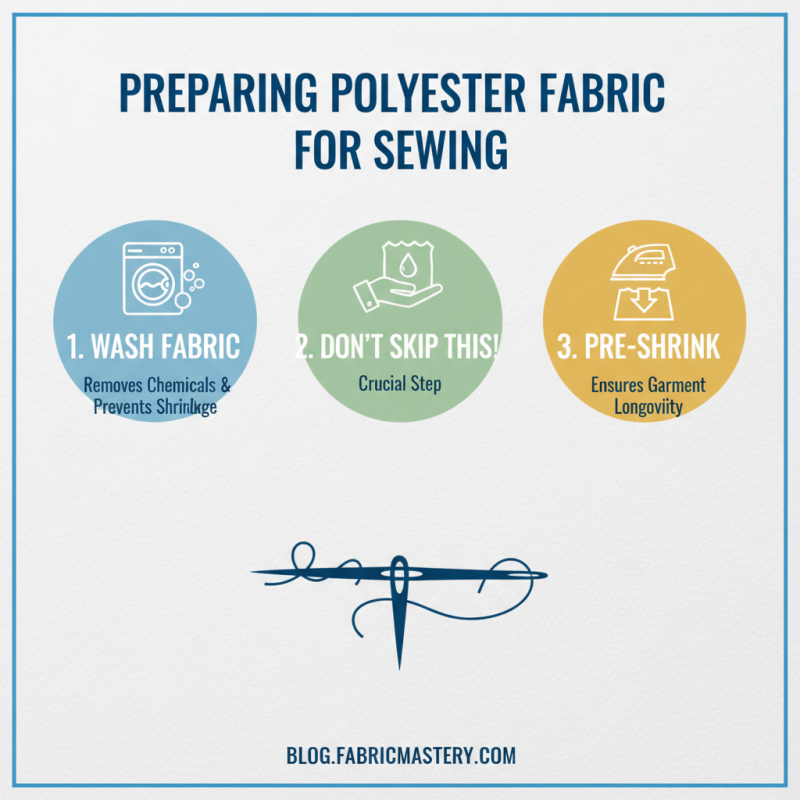
Preparing polyester fabric for sewing requires attention to detail. Polyester is a synthetic material that can be tricky to work with. Before you begin, wash the fabric to remove any chemicals. This is a crucial step that many overlook. Pre-washing helps to avoid shrinkage later on.
Once your fabric is clean, iron it on a low setting. This will smooth out any wrinkles and make cutting easier. Polyester can be slippery, which makes cutting accurate shapes important. Use sharp scissors or a rotary cutter for a clean edge, and be mindful of the fabric's grain.
Consider using clips instead of pins to hold layers together. Pins can create holes and distort the fabric. If you do use pins, place them perpendicular to the cut edge. Testing your sewing machine on a scrap piece is essential too. Adjust your tension settings; they can significantly affect your stitching quality. Ultimately, working with polyester can be a learning experience, and patience is key.
Techniques for Cutting and Handling Polyester Material
Cutting and handling polyester fabric requires a unique approach. This material can be slippery and shift easily during the sewing process. Therefore, it’s crucial to use sharp, fabric-specific scissors. Dull blades can lead to uneven cuts and fraying. A well-shaped blade is an investment worth making.
When cutting polyester, applying weights can stabilize the fabric. Use pattern weights instead of pins, as they will not distort the fabric. You can also consider a rotary cutter for more precision. It glides smoothly, making clean edges easier to achieve. Remember, polyester has a tendency to fray, so ensure your cutting is accurate to minimize waste.
Another effective technique is to utilize a low-tack cutting mat. This provides a grip that prevents the fabric from sliding around. Always measure twice before cutting—once a mistake is made, it can be hard to undo. Don’t forget to test the fabric on scraps first. This can give insights on how the fabric behaves with different tools and techniques. Observing your cuts and adjusting can lead to better results in your project.
2026 Tips for Sewing Polyester Fabric Effectively
Sewing Methods and Stitch Types Suited for Polyester
Sewing with polyester requires specific methods and stitch types for best results. Polyester fabric is known for its durability and resistance to wrinkles. However, its smooth texture can be tricky. A straight stitch works well for most seams. It's simple yet effective, ensuring the fabric doesn’t pucker. Use a medium-sized needle for optimal penetration. This choice balances the needs of the fabric and the stitching process.
Another useful technique is the zigzag stitch. It provides stretch, making it ideal for activewear or fitted garments. Polyester can fray easily, so finishing seams is crucial. A serger machine can make this task easier. If you don't have one, consider using the zigzag stitch along the raw edges. Keep in mind that adjustments often need to be made. Factors like fabric thickness and needle type can affect stitch quality. Always test on a scrap piece first to ensure everything is set correctly.
Finishing Touches: Hemming and Caring for Polyester Garments
When it comes to hemming polyester garments, precision is key. Start by measuring and marking your desired hem length. Use tailor's chalk for clear, accurate lines. Polyester can fray, so consider finishing the raw edges with a serger or a zigzag stitch. This prevents future damage and keeps your hem looking sharp.
Caring for polyester fabric is just as important. Machine wash in cold water to maintain its shape and color. Avoid harsh detergents; they can degrade the fibers over time. When drying, use a low heat setting. High temperatures can cause polyester to shrink or lose its finish.
It’s easy to overlook minor details like thread choice, but these matter. Use polyester thread to ensure durability and a cohesive look. If you notice wrinkles, don’t worry. A steam iron can easily smooth out fabric without direct contact. Just remember, polyester can burn easily; exercise caution.