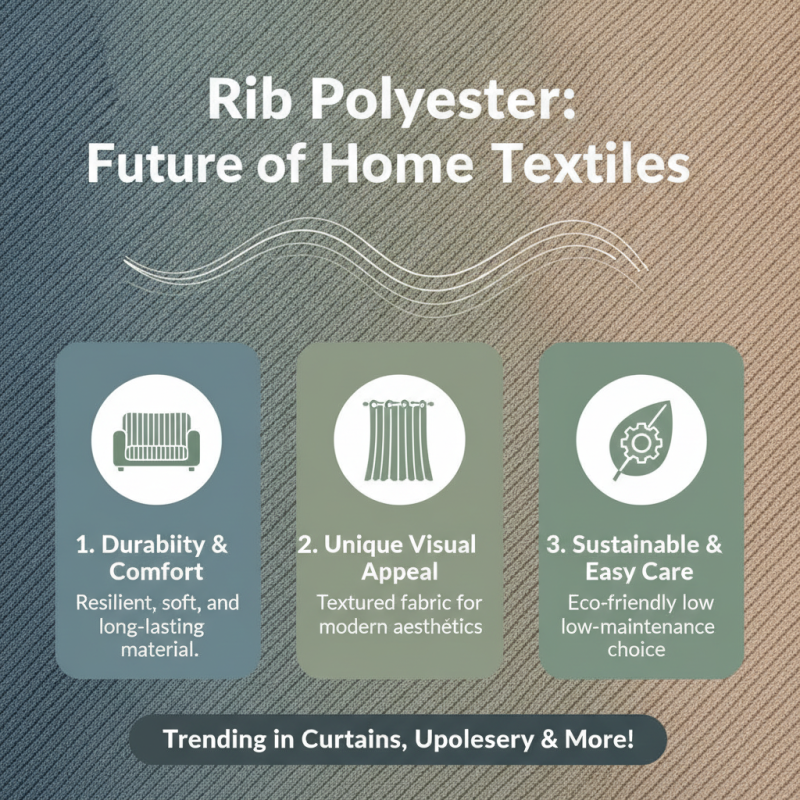
Top 10 Uses of Rib Polyester in Fashion and Textiles?
Rib Polyester has emerged as a significant player in the fashion and textiles industry. Renowned expert Dr. Angela Thompson, a leading textile scientist, once noted, “Rib Polyester offers unmatched versatility and comfort.” This fabric's unique ribbed texture provides both aesthetic appeal and practical benefits, making it a favorite among designers.
The applications of Rib Polyester are vast. Designers utilize it for everything from activewear to casual clothing. Its durability and stretch make it ideal for garments that require both elasticity and style. In addition, Rib Polyester is often blended with other materials to enhance performance, ensuring it meets evolving fashion trends and consumer needs.
However, the rise of Rib Polyester isn't without concerns. Discussions around sustainability are growing louder. While Rib Polyester is durable, its environmental impact deserves attention. Brands are now tasked with addressing these challenges while still taking full advantage of the fabric's unique properties. Embracing Rib Polyester can lead to innovation, but we must reflect on our choices in production and consumption.

Rib Polyester: An Overview of Its Properties and Characteristics
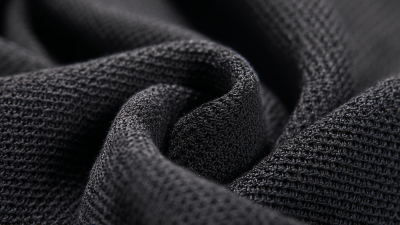
Rib polyester has become a staple in the fashion and textile industry. It is known for its unique structure, which creates a ribbed texture. This adds depth and dimension to garments. Its elasticity allows for a form-fitting silhouette, making it popular for activewear and casual clothing. According to a report by the Textile World, ribbed fabrics can enhance both comfort and performance in various applications.
The properties of rib polyester go beyond its appearance. It is lightweight, breathable, and resistant to wrinkles. These characteristics make it suitable for everyday wear. A study published in the Journal of Textile Science indicates that polyester-based fabrics are often more durable than natural fibers. This durability increases the lifespan of garments, providing better value to consumers. However, the environmental impact of polyester production remains a concern, urging industries to explore sustainable alternatives.
Rib polyester also demonstrates excellent color retention. Fabrics maintain vibrancy after multiple washes. This is appealing to consumers looking for long-lasting options. However, the reliance on synthetic materials raises questions about biodegradability. The fashion industry is slowly recognizing the need for balance between aesthetic appeal and ecological responsibility. Transitioning to eco-friendly practices is not easy, but necessary as demand for sustainable fashion grows.
Top 10 Uses of Rib Polyester in Fashion and Textiles
| Use Case |
Description |
Benefits |
| Activewear |
Used for sportswear due to its stretch and moisture-wicking properties. |
Comfortable fit, breathability, and durability. |
| Casual Wear |
Often found in t-shirts and casual dresses. |
Soft texture and stylish look. |
| Loungewear |
Used in comfortable home clothing like pajamas and sweatpants. |
Cozy feel and flexibility. |
| Athleisure |
Blends activewear and leisurewear in daily fashion. |
Versatile and trendy for everyday wear. |
| Athletic Uniforms |
Utilized for team sports jerseys and shorts. |
Durability and ease of movement. |
| Fashion Accessories |
Incorporated in bags, hats, and scarves. |
Stylish options with functional benefits. |
| Costumes |
Used in theatrical and dance costumes. |
Vibrant colors and excellent flexibility. |
| Outerwear |
In jackets and coats for added warmth and style. |
Lightweight yet insulating. |
| Layering Pieces |
Perfect for underlayers like tank tops and turtlenecks. |
Comfortable and enables easy layering. |
Common Applications of Rib Polyester in Apparel Design
Rib polyester is gaining popularity in apparel design due to its unique properties. This fabric offers excellent durability, elasticity, and a soft texture, making it ideal for various applications. According to a report from Textile World, ribbed fabrics have seen a 20% increase in demand over the past five years. This rise can be attributed to the growing trend for comfortable yet stylish clothing.
One of the primary uses of rib polyester is in activewear. Athletes appreciate the flexibility and breathability that ribbed structures provide. Additionally, it is commonly used in knitwear and casual wear, as designers value its ability to retain shape. Research by the Fashion Institute of Technology suggests that ribbed polyester contributes to garment longevity, reducing the need for replacements. This aligns with sustainability goals in the fashion industry, yet creating the perfect balance of style and functionality remains a challenge for many designers.
Moreover, rib polyester finds its place in evening wear due to its elegant drape. However, achieving the right aesthetic can sometimes lead to inconsistencies in production. Ensuring that the texture and pattern remain uniform requires careful craftsmanship. It’s crucial for brands to pay attention to fabric quality. Poor manufacturing can lead to garments that lose their appeal quickly. Hence, while rib polyester offers many advantages, achieving excellence in its application demands ongoing reflection and adaptation.
Innovative Uses of Rib Polyester in Activewear
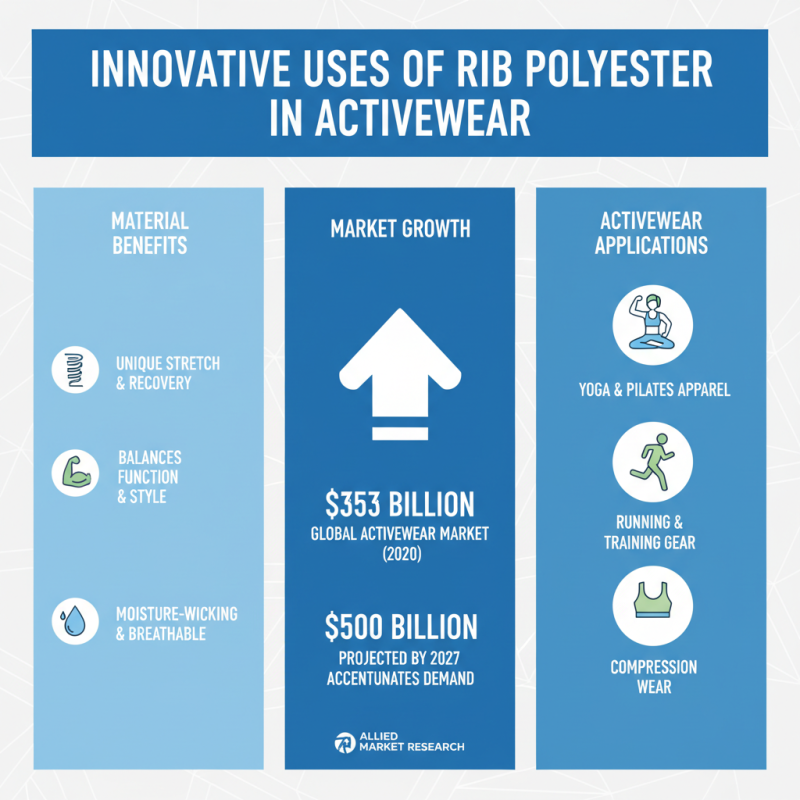
Rib polyester is rapidly gaining traction in the activewear segment, primarily due to its unique stretch and recovery properties. According to a report from Allied Market Research, the global activewear market was valued at around $353 billion in 2020 and is expected to reach $500 billion by 2027. This growth accentuates the increasing demand for innovative materials like rib polyester, which balances functionality and style.
This fabric offers moisture-wicking capabilities, making it ideal for high-performance activities. It effectively pulls sweat away from the body, keeping wearers cool and comfortable during workouts. Its ribbed texture adds visual interest, while also providing a snug fit without constricting movement. The challenge lies in finding the right blend of ribbed patterns and support, as overly tight designs can restrict rather than enhance performance.
Sustainability is another essential aspect of rib polyester usage. Although it is a synthetic fabric, advancements in recycling technologies are paving the way for eco-friendly options. Patterns of rib polyester can incorporate recycled materials, aligning with consumers' preferences for sustainable fashion. However, the environmental impact of production still raises questions. As the industry moves forward, making strides in reducing the ecological footprint is imperative.
Sustainable Practices Involving Rib Polyester in Fashion Industry
Rib polyester has gained traction in sustainable fashion due to its versatility and eco-friendly properties. This fabric is derived from recycled materials, reducing waste and energy consumption. Reports indicate that using recycled polyester can decrease water usage by up to 20%. This information underscores the material's role in reducing the environmental impact of fashion production.
Sustainable practices are gaining momentum in the fashion industry. Brands are increasingly embracing rib polyester for its minimal footprint. The Global Sustainability Report highlights a 35% reduction in carbon emissions when choosing recycled polyester over conventional fibers. This shift reflects an industry-wide commitment to adopting greener materials.
However, the use of rib polyester is not without challenges. Some manufacturers struggle to ensure quality while maintaining sustainable practices. Issues such as microplastic release during washing remain a concern. Addressing these problems is crucial for the advancement of sustainable textiles. Stakeholders must continually assess the impact of their choices on the environment.