What is Trilobal Polyester and How is it Used?
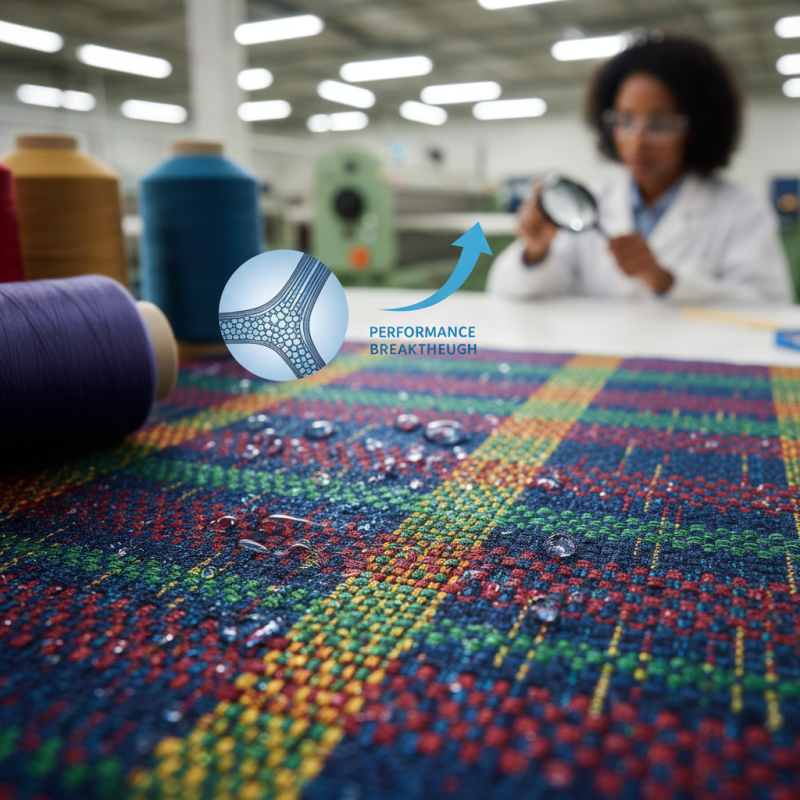
Trilobal Polyester is an advanced synthetic fiber widely used in textiles and industrial applications. Dr. Emily Carter, a textile engineer, emphasizes its versatility by stating, "Trilobal Polyester represents a breakthrough in fabric performance." This innovation allows for an array of functionalities, making it a preferred choice for various industries.
One of the significant advantages of Trilobal Polyester is its unique shape. The trilobal cross-section enhances luster and improves moisture-wicking properties. Consequently, this fiber outperforms traditional polyester in vibrant colors and durability. However, there are challenges. Not all manufacturers can achieve the same quality. Inconsistent production methods can lead to variable results.
Moreover, not every application benefits from Trilobal Polyester's advantages. Some markets may find alternatives more suitable. It is essential for industry professionals to evaluate their specific needs. Despite its remarkable properties, Trilobal Polyester may not be the panacea for every fabric-related issue. In the end, understanding its strengths and limitations is crucial for informed decisions.
Definition and Characteristics of Trilobal Polyester
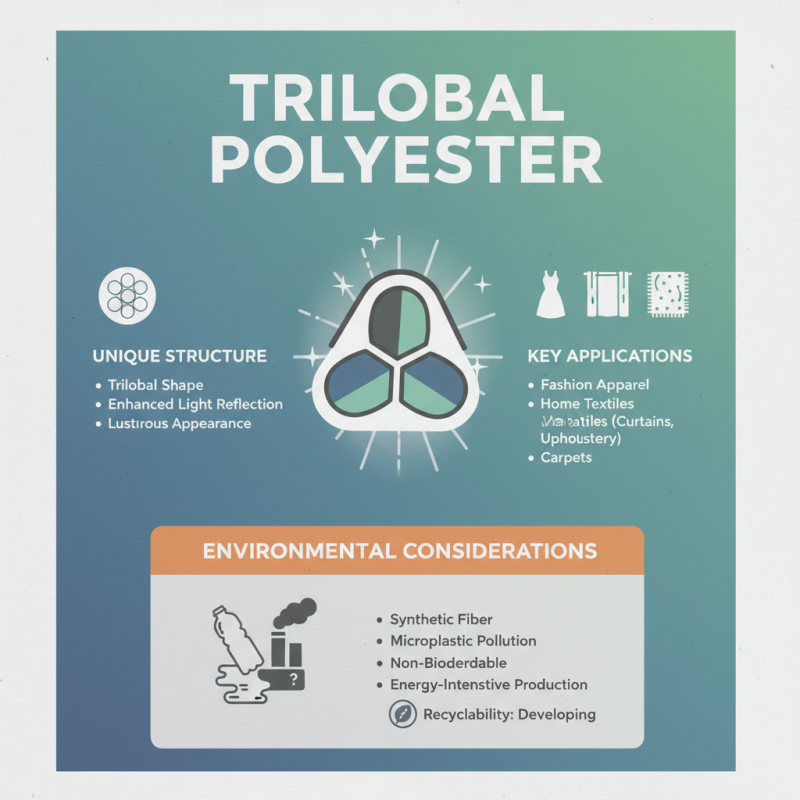
Trilobal polyester is an innovative synthetic fiber known for its distinct structure and characteristics. This fiber features a unique trilobal cross-section, which enhances its surface area. The increased surface area improves light reflection, leading to a glossy appearance in fabrics. According to the Industrial Fabrics Association International, trilobal polyester can enhance fabric durability and strength by up to 30%. This makes it popular in the production of activewear and outdoor gear.
The versatility of trilobal polyester is noteworthy. It's lightweight and offers excellent moisture-wicking properties. This allows garments to dry quickly while keeping the wearer comfortable. Reports indicate that trilobal polyester fabrics maintain their shape and resist wrinkling better than traditional fibers. Despite these advantages, some users express concerns about the lack of breathability. It may not be suitable for all climates. Furthermore, the environmental impact of synthetic fibers remains a topic for reflection and ongoing research.
In addition to clothing, trilobal polyester is utilized in home textiles. It is often found in carpets and upholstery. The fiber's resilience contributes to longer-lasting products. Nevertheless, there is a growing demand for sustainable alternatives. Experts suggest that the industry needs to address these concerns for a better future. Balancing performance and environmental responsibility is essential as we move forward.
Usage Distribution of Trilobal Polyester in Various Applications
Production Process of Trilobal Polyester Fibers
Trilobal polyester fibers are unique in their cross-section shape. This design enhances light reflection, resulting in vibrant color patterns. The production process begins with high-quality polyester chips. These chips are melted and extruded through specially designed spinnerets to form trilobal strands. The geometry of the trilobal shape has been shown to increase the fiber's strength and overall performance compared to standard round fibers.
According to the Technical Association of the Pulp & Paper Industry, trilobal fibers exhibit improved moisture management properties. This makes them ideal for activewear and outdoor textiles. The spinning temperature and filament draw ratio play pivotal roles in the fiber's characteristics. Many manufacturers experiment with these parameters to find the optimal balance, yet consistent results can remain elusive.
Moreover, the dyeing process for trilobal fibers requires careful consideration. The surface area can lead to uneven dye uptake, affecting the final product's appearance. Specialized dyes and methods are essential to achieving uniform color distribution. Industry reports from the Textile World indicate that organizations often struggle with this aspect, highlighting the need for continuous improvement and innovation in the dyeing process.
What is Trilobal Polyester and How is it Used?
| Aspect |
Details |
| Definition |
Trilobal polyester is a type of polyester fiber featuring a trilobal (three-lobed) cross-section. |
| Production Process |
Produced through melt spinning, where polyester chips are melted and extruded through trilobal-shaped spinnerets. |
| Properties |
High strength, durability, excellent dyeability, and good moisture-wicking properties. |
| Applications |
Widely used in apparel, home textiles, automotive upholstery, and industrial fabrics. |
| Benefits |
Enhanced light reflectivity, improved texture, and performance in moisture management. |
| Environmental Impact |
Recyclable and can be produced from recycled PET, reducing environmental footprint. |
Common Applications of Trilobal Polyester in Textiles
Trilobal polyester is a synthetic fiber known for its unique cross-sectional shape. This design enhances its aesthetic qualities and performance in various textile applications. It finds widespread use in sportswear and outdoor gear due to its moisture-wicking properties. According to a 2022 industry report, the global demand for trilobal polyester textiles is increasing, with a growth rate of 6% annually.
In home furnishings, trilobal polyester contributes to vibrant colors and durable fabrics. It’s commonly found in upholstery, curtains, and carpets, offering easy maintenance and resistance to fading. Data shows that textiles using trilobal polyester outperform traditional fibers in color retention and stain resistance.
Despite its benefits, some manufacturers face challenges with production costs and environmental impact. Recycling trilobal polyester is complex, which prompts discussions about sustainability. The industry is exploring more eco-friendly alternatives, yet it is a work in progress. Balancing quality, cost, and environmental responsibility will be crucial as the market evolves.
Advantages of Trilobal Polyester Over Conventional Fibers
Trilobal polyester is gaining traction in various industries due to its unique structure. This fiber boasts a trilobal cross-section, enhancing its shine and adding bulk. As a result, fabrics made from trilobal polyester have a luxurious appearance. Research indicates that this fiber offers up to 30% more strength compared to conventional fibers like traditional polyester.
One significant advantage is its moisture-wicking properties. Trilobal polyester efficiently draws moisture away from the skin. This feature is especially beneficial in activewear, where comfort and performance matter. According to industry data, garments made from trilobal polyester can maintain breathability while providing insulation. It’s ideal for outdoor activities.
Tip: When choosing fabrics, consider the environmental impact. Trilobal polyester can be recycled and reused, reducing waste. However, ensure that you select materials from sustainable sources.
While trilobal polyester has many benefits, it is essential to reflect on its drawbacks. Manufacturing processes can be energy-intensive, potentially offsetting some eco-friendly advantages. Consumers should carefully weigh these factors under their specific needs.
Environmental Impact and Sustainability of Trilobal Polyester
Trilobal polyester is a synthetic fiber known for its unique structure. It has a trilobal shape, which enhances light reflection and creates a lustrous appearance. This feature makes it popular in fashion and home textiles. However, the environmental impact of trilobal polyester raises concerns.
Producing polyester often involves petroleum-based resources. This process contributes to pollution and greenhouse gas emissions. Furthermore, when washed, polyester releases microplastics into water systems. These tiny fibers can harm aquatic life and disrupt ecosystems. There’s a need for reflection on our dependency on synthetic fibers.
Tips: Consider using sustainable alternatives. Recycled polyester offers a more eco-friendly option. Support brands that prioritize sustainability. Additionally, washing polyester items in a Guppyfriend bag can reduce microplastic shedding. It's a small step, but every effort counts. Choosing natural fibers can also mitigate some of these environmental issues. Embrace a more thoughtful approach to fashion and textiles.