What is Trilobal Polyester and Why is it Important?
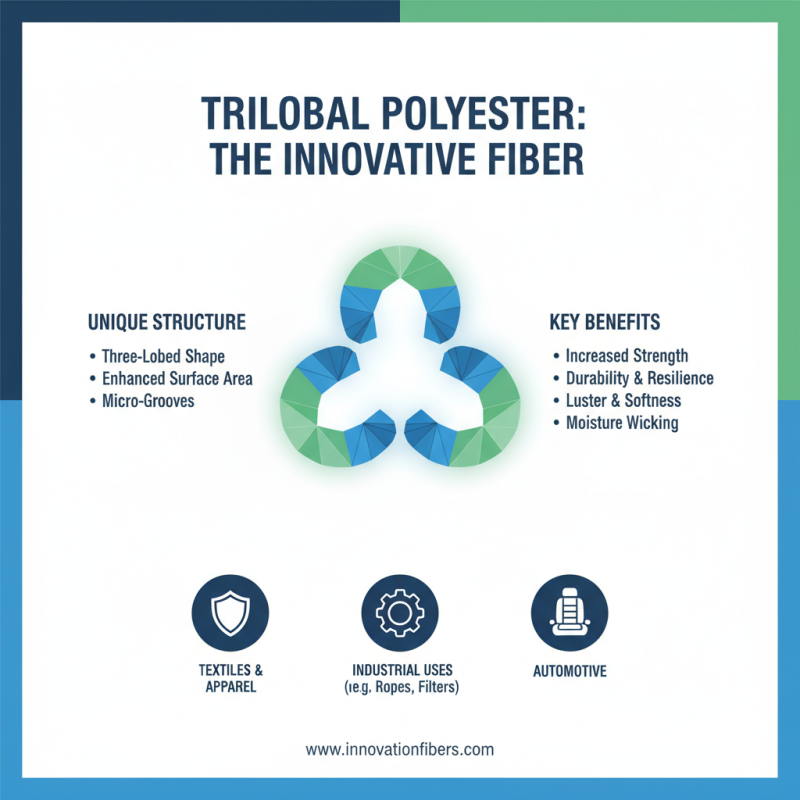
Trilobal Polyester is a unique fiber that has gained significant attention in the textile industry. Its distinctive shape gives it remarkable properties, contributing to its popularity. This polyester is not just about looks; it offers practical advantages. The trilobal structure enhances light reflection, which creates vibrant colors. This is essential for fashion designers seeking eye-catching designs.
The applications of Trilobal Polyester extend beyond apparel. It’s found in home textiles, automotive interiors, and industrial fabrics. Furthermore, its durability and resistance to wear make it appealing for various uses. However, not everything about this fiber is perfect. Some people question its environmental impact and long-term sustainability. This sparks important conversations about the future of synthetic materials.
Ultimately, understanding Trilobal Polyester is vital for anyone in textiles. It embodies innovation while also raising questions about our choices. As we explore this fiber's significance, we also reflect on its challenges. This balance is crucial as we navigate the world of modern fabrics.
Understanding Trilobal Polyester: Definition and Composition
Trilobal polyester is a type of fiber that has a unique cross-sectional shape. This shape resembles a three-lobed structure, hence the name "trilobal." Its distinct geometry enhances light reflection, providing a brilliant sheen to the fabrics made from it. This characteristic makes trilobal polyester popular in fashion and home textiles. The composition of trilobal polyester contributes to its strength and durability.
Made primarily from polyester resin, trilobal fibers undergo a specific manufacturing process. This results in enhanced performance features. They resist wrinkling and have good elasticity. Additionally, trilobal polyester has moisture-wicking properties. This means it can effectively pull sweat from the skin, making it suitable for active wear. Despite its advantages, the production process can be energy-intensive. This raises questions about sustainability in the textile industry.
The appeal of trilobal polyester also lies in its ability to blend well with other fibers. This versatility allows for varied applications across industries. Yet, challenges remain. Some consumers may overlook the advantages of synthetic fibers in favor of natural alternatives. Balancing innovation with environmental impact is a continuous journey. Ongoing research is crucial to improve sustainability without compromising quality.
What is Trilobal Polyester and Why is it Important?
| Property |
Description |
| Definition |
Trilobal polyester is a type of synthetic fiber characterized by its three-lobed cross-sectional shape. |
| Composition |
Primarily composed of polyethylene terephthalate (PET), which is derived from petrochemicals. |
| Benefits |
Offers enhanced texture, durability, and moisture-wicking properties, making it ideal for activewear. |
| Applications |
Commonly used in sports apparel, upholstery, and technical textiles. |
| Environmental Impact |
Recycling options are available; however, the production process can be energy-intensive and contribute to plastic waste. |
| Comparison with Conventional Polyester |
Trilobal polyester generally has improved properties over conventional polyester, such as higher strength and a unique texture. |
Key Properties of Trilobal Polyester and Their Applications
Trilobal polyester is a unique type of synthetic fiber. Its shape resembles a three-lobed structure, which enhances its properties. This shape contributes to its strength and durability. Many industries rely on these fibers for their specific applications.
One key property of trilobal polyester is its excellent moisture-wicking ability. This feature makes it popular in sportswear. Athletes often prefer fabrics that keep them dry during intense activities. Additionally, trilobal polyester offers a soft feel, enhancing comfort. Its bright colors and resistance to fading make it ideal for fashion applications.
Furthermore, trilobal polyester exhibits good thermal insulation. This property is valuable in outdoor gear. However, one must consider its environmental impact. While it has great advantages, synthetic materials raise questions about sustainability. Manufacturers need to explore eco-friendly options. The balance between utility and environmental responsibility remains a challenge.
Market Trends and Demand for Trilobal Polyester in Textiles
Trilobal polyester is gaining traction in the textile industry. Its unique structure enhances performance and aesthetics. This fiber has three lobes, allowing for increased light reflection. Hence, fabrics made from trilobal polyester often have a vibrant shine and softer feel.
The demand for trilobal polyester is on the rise. Manufacturers appreciate its durability and moisture-wicking properties. As activewear becomes more popular, this fiber meets the needs of consumers seeking comfortable and functional clothing. However, some challenges persist. Many still question its environmental impact and sustainability.
Innovation plays a critical role in the market's growth. Designers explore new ways to incorporate trilobal polyester into various applications. Yet, transparency in sourcing and production remains an area for improvement. The industry must address these concerns to meet the evolving expectations of conscious consumers.
Comparative Analysis: Trilobal Polyester vs. Other Polyester Fabrics
Trilobal polyester is a unique fiber known for its distinct shape. Unlike traditional polyester, which has a round cross-section, trilobal polyester features three lobes. This structure enhances its light reflection, giving fabrics a brilliant, lustrous appearance. According to industry reports, trilobal polyester can offer up to 20% more color depth compared to other polyester types. This makes it popular in fashion and home textiles.
When we compare trilobal polyester to conventional polyester fabrics, differences in functionality emerge. Trilobal polyester typically exhibits superior moisture-wicking properties. A study by the Textile Research Journal noted that trilobal fibers can absorb moisture more efficiently. This makes them ideal for activewear. However, there are challenges. The production process of trilobal polyester can be more complex and costlier. Not all manufacturers can achieve the desired quality.
Another notable point is durability. Trilobal polyester is generally more resistant to wear and tear than non-trilobal options. However, it may also require more care in washing and maintenance. Users sometimes find that the sheen fades quickly if not cared for properly. Understanding these trade-offs is crucial for manufacturers and consumers alike.
Sustainability in Trilobal Polyester Production and Industry Impact
Trilobal polyester has gained attention in recent years. Its unique structure gives it enhanced durability and visual appeal. However, sustainability in production remains a critical focus. The manufacturing process often relies on non-renewable resources, raising questions about its environmental impact.
Producing trilobal polyester can lead to significant waste and energy consumption. Many facilities are now exploring more eco-friendly processes. Innovations like recycling initiatives and reduced water usage are emerging. Still, these efforts vary widely across the industry. Some plants still lag in adopting sustainable practices.
Consumer awareness is shifting. People are increasingly interested in the origins of their textiles. This pressure encourages brands to prioritize ethical production. However, real change is slow. As the demand for trilobal polyester rises, supply chains must evolve as well. A thoughtful approach to sustainability could guide this shift, but challenges abound.