Top Uses of Polyester Tricot Fabric in 2026 for Buyers?
As we look ahead to 2026, the significance of Polyester Tricot Fabric in various industries continues to rise. This fabric, known for its durability and versatility, is becoming increasingly popular among buyers. In today's market, its applications span from activewear to home textiles, highlighting its adaptability and quality.
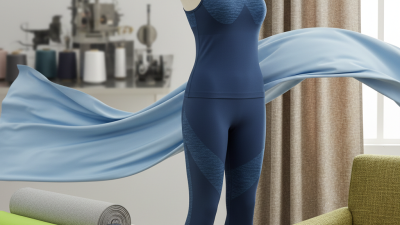
Buyers should explore the endless possibilities that Polyester Tricot Fabric offers. Its soft texture and breathability make it ideal for sports apparel, ensuring comfort during physical activities. Additionally, its moisture-wicking properties elevate performance, making it a preferred choice for fitness enthusiasts.
However, not all Polyester Tricot Fabrics are created equal. Understanding the differences in quality and application is crucial. Some consumers may choose lower-cost options but could sacrifice durability and comfort. This raises questions about long-term satisfaction. As buyers become more discerning, quality and expertise in fabric selection will play a critical role in ensuring that Polyester Tricot Fabric meets their needs effectively.
Key Characteristics of Polyester Tricot Fabric for Buyers
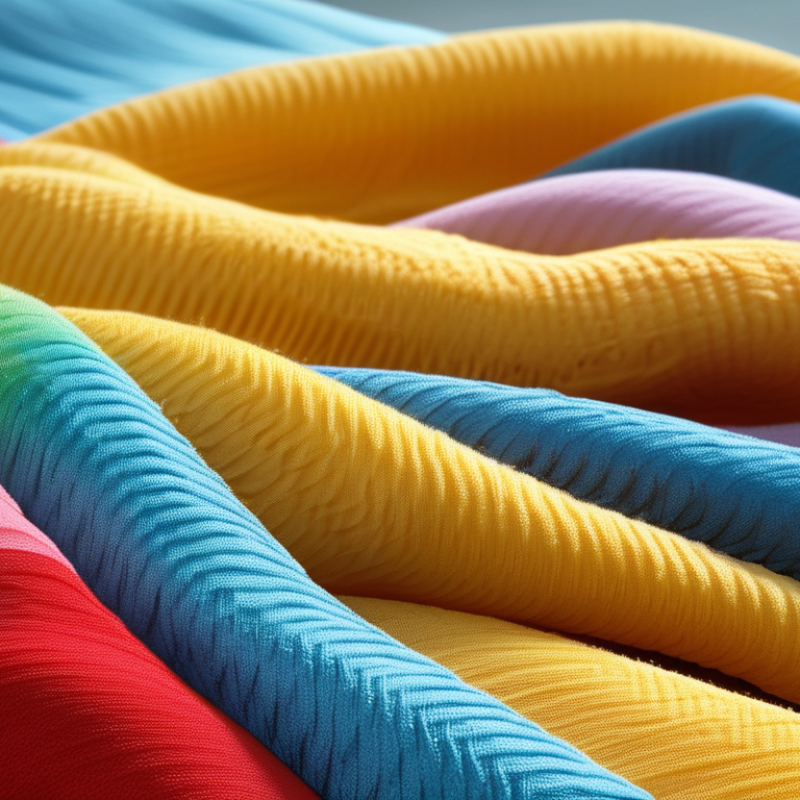
Polyester tricot fabric has surged in popularity among buyers, particularly for its unique characteristics. This fabric, recognized for its smooth texture and stretchability, is often chosen for activewear. In fact, the global activewear market is projected to reach USD 546 billion by 2026, emphasizing the demand for functional materials like polyester tricot.
Key characteristics such as durability and moisture-wicking properties make polyester tricot suitable for various applications. A recent study indicates that polyester retains shape and resists shrinking, providing long-lasting performance. Notably, the fabric is lightweight, making it comfortable for users.
Sustainability is also a growing concern among buyers. While polyester is derived from petroleum, recycled polyester options are on the rise. According to industry reports, incorporating recycled materials can reduce carbon emissions significantly. However, the reliability of recycled processes remains under scrutiny. Buyers should assess the environmental impact closely as they consider their options.
Top Fashion Trends Utilizing Polyester Tricot in 2026
In 2026, polyester tricot fabric is becoming increasingly popular in the fashion industry. Its versatility and comfort make it a top choice for various clothing types, particularly activewear. According to a recent report from the Textile Research Journal, the global demand for breathable fabrics is projected to rise by 30% this year. Designers are leveraging the unique texture of tricot, creating stylish pieces that offer both performance and elegance.
Athletic leggings and joggers made from polyester tricot can provide exceptional moisture-wicking properties. This is essential for fitness enthusiasts. The fabric also holds color well, allowing for vibrant prints and patterns that appeal to a younger demographic. Reports indicate that there is a noticeable trend toward sustainable dyeing techniques. Consumers are valuing eco-friendly practices while choosing eye-catching designs.
However, challenges remain. The rapid growth in polyester recycling technologies is still evolving. Not all manufacturers are equipped to handle these innovations effectively. Additionally, while tricot’s elasticity is a strength, it can also give rise to issues like pilling over time. Fashion brands must balance style with durability. As polyester tricot becomes mainstream, buyers should be mindful of these aspects.
Common Applications of Polyester Tricot in Sportswear and Activewear
Polyester tricot fabric has gained popularity in sportswear and activewear due to its unique properties. The fabric is lightweight, breathable, and has excellent stretchability. According to a 2023 market report, the demand for polyester tricot in activewear is expected to grow by 18% in the next two years. This growth is attributed to increased consumer focus on fitness and comfort during workouts.
Common applications of polyester tricot include leggings, sports bras, and jackets. These items benefit from the fabric’s moisture-wicking capabilities. For instance, in performance wear, polyester tricot can keep moisture away from the skin, helping athletes stay dry. Additionally, its durability makes it ideal for high-intensity activities.
However, despite its advantages, there are challenges. Polyester tricot can sometimes lack breathability in extreme heat, causing discomfort. Some users may also find it less environmentally friendly compared to natural fibers. As consumers become more eco-conscious, manufacturers will need to explore sustainable options. The balance between performance and environmental impact remains a critical consideration for 2026 and beyond.
Sustainable Practices in Polyester Tricot Fabric Production
Polyester tricot fabric, known for its flexibility, faces scrutiny regarding sustainability. In 2026, the emphasis on eco-friendly practices in its production is gaining traction. Reports indicate that around 65% of polyester fibers are now derived from recycled sources. This transformation is essential. It reduces waste and fosters a circular economy in the textile industry.
The production process also has room for improvement. Current methods often consume significant energy and water. Recent studies highlight that optimizing production can decrease water usage by up to 30%. Such advancements are crucial for minimizing the environmental impact. Industry professionals recognize the importance of refining these processes while maintaining quality.
As buyers become more discerning, the demand for transparently sourced fabrics is rising. Research shows that 70% of consumers prefer brands that prioritize sustainable materials. This shift reflects a broader trend toward conscious purchasing. The path to a greener polyester tricot fabric hinges on ongoing innovation and commitment to sustainable practices.
Market Insights: Demand and Supply Trends for Polyester Tricot in 2026
In 2026, polyester tricot fabric is expected to gain significant traction in various industries. This fabric is lightweight, durable, and versatile. Its applications range from athletic wear to home textiles. The growing demand for sustainable and functional materials drives this trend. Many buyers are looking for products that offer comfort without compromising quality.
Market insights reveal important supply and demand dynamics. Sourcing polyester tricot can be challenging due to fluctuating raw material prices. However, smart purchasing strategies can mitigate risks. Consider building relationships with reliable suppliers. This can lead to better pricing and availability of the fabric.
Tips for making an informed purchase include researching the fabric's properties. Look for samples to assess the feel and stretch. Be mindful of the environmental impact of production methods. Buyers should also evaluate trends in consumer preferences. Staying updated is crucial in a fast-evolving market. Understanding these nuances can help buyers make wiser decisions.
Top Uses of Polyester Tricot Fabric in 2026 for Buyers
| Application |
Market Demand (%) |
Key Features |
End-User Industries |
| Athletic Wear |
30% |
Moisture-wicking, stretchable, breathable |
Sports, Fitness |
| Fashion Apparel |
25% |
Soft texture, drapes well |
Retail, Fashion |
| Home Textiles |
20% |
Durable, easy to clean |
Home Furnishing, Interior Design |
| Medical Textiles |
15% |
Antimicrobial, lightweight |
Healthcare, Pharmaceuticals |
| Automotive Upholstery |
10% |
Resilient, UV resistant |
Automotive Industry |