Is Wearing Polyester Bad for Your Health and the Environment?
Is Wearing Polyester Bad for Your Health and the Environment? This question has stirred debate among consumers and experts alike. Polyester, a synthetic fiber made from petroleum, dominates the fashion industry. Reports show that over 60% of clothing contains polyester. This statistic raises concerns about its long-term effects.
Wearing polyester can lead to health risks. Studies suggest that microplastics from polyester garments can enter waterways through washing. A report by the International Union for Conservation of Nature found that over 35% of microplastics in oceans come from synthetic textiles like polyester. These tiny particles may affect marine life and, eventually, human health.
The environmental impact is equally alarming. Polyester production is energy-intensive and emits significant greenhouse gases. In fact, the Global Fashion Agenda reports that textile production generates around 1.2 billion tons of CO2 annually. As consumers, we must reflect on our choices. Wearing polyester may serve convenience and style, yet it carries hidden costs for the planet and our well-being.
The Chemical Composition of Polyester and Its Impact on Health
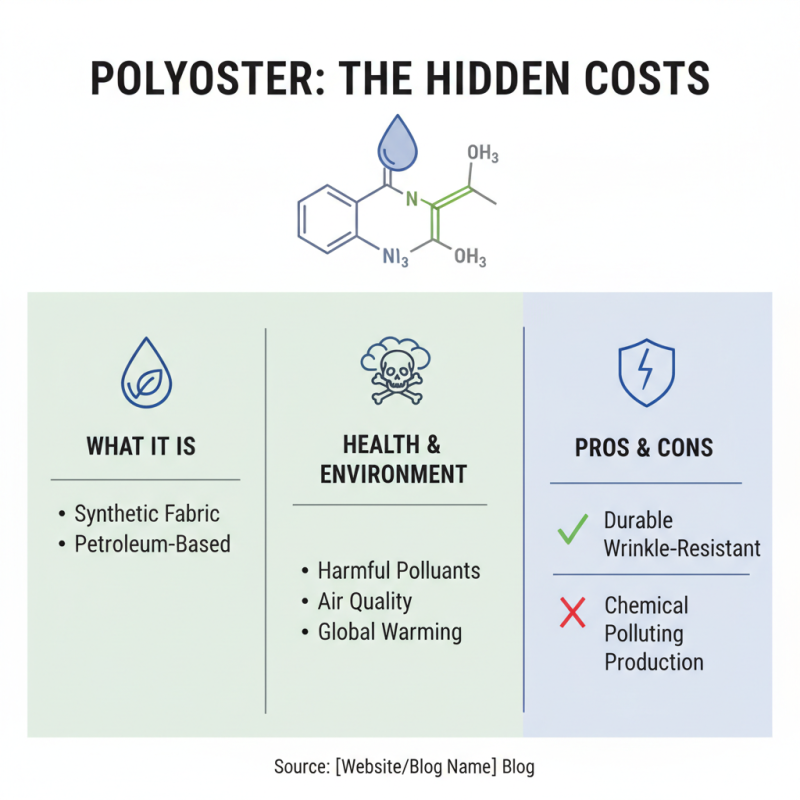
Polyester is a synthetic fabric made from petroleum-based products. Its chemical makeup raises concerns about health and environmental effects. While polyester is durable and resistant to wrinkles, it is not without drawbacks. The production process releases harmful pollutants. These chemicals can affect air quality and contribute to global warming.
Wearing polyester can have implications for health. The fabric may cause skin irritation for some individuals. It’s not breathable like natural fibers, which can lead to discomfort. Long-term exposure to certain chemicals found in polyester could lead to more serious health risks. It’s essential to be aware of these factors when choosing clothing.
**Tips:** Choose natural fibers when possible. Cotton and linen are breathable and comfortable. If polyester is a must, look for recycled options. They have a lower environmental impact. Always wash new clothes before wearing to reduce chemical exposure.
Health Risks Associated with Wearing Polyester Fabrics
Polyester is a common fabric in clothing today. However, concerns about its health risks have emerged. Many people are unaware that polyester can cause skin irritation for some individuals. These issues can range from mild rashes to more severe allergic reactions. The fabric’s synthetic nature makes it less breathable, which may lead to discomfort, especially in hot weather.
Wearing polyester can also result in more serious health considerations. Some studies suggest that the chemicals used in polyester production can be harmful. For instance, microplastics shed from polyester fabrics can enter water systems. This microplastic pollution poses risks to marine life and, ultimately, to the food chain.
Tips: Choose natural fibers when possible. Cotton and linen allow your skin to breathe better. Always wash new polyester clothing before wearing. This helps to remove any excess chemicals. Being mindful of your fabric choices can contribute significantly to both personal health and environmental well-being. Consider your wardrobe choices carefully.
Environmental Effects of Polyester Production and Disposal
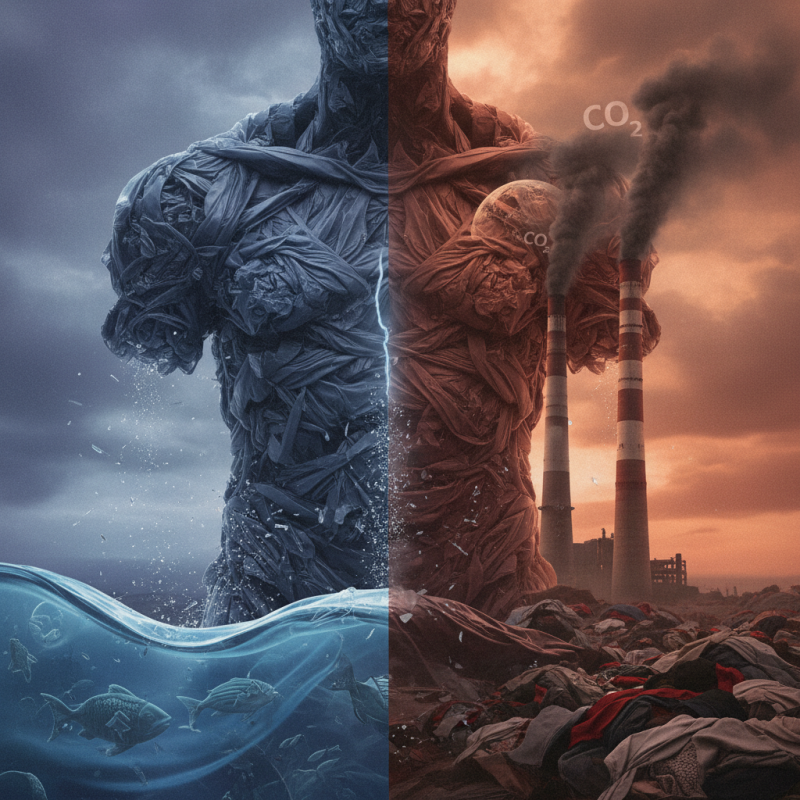
Polyester is a prominent fabric choice due to its durability and low-cost. However, the environmental impact of polyester production is alarming. The production process involves polyester derived from petroleum products, which contributes to greenhouse gas emissions. Reports indicate that the polyester industry generates around 706 million tons of CO2 annually.
Water consumption is another critical issue. Manufacturing polyester requires large amounts of water. A study revealed that producing one kilogram of polyester uses up to 100 liters of water. Furthermore, recycled polyester poses its own set of challenges. While it can mitigate some waste, recycling processes still consume energy and resources.
Microplastics from polyester garments contribute to ocean pollution. Microfibers shed during washing can end up in marine environments, affecting aquatic life.
The disposal of polyester remains a significant concern. It is non-biodegradable and can persist in landfills for up to 200 years. In 2018, around 73% of polyester clothing was disposed of rather than recycled. This indicates a need for a systemic change in consumer behavior and industry practices. We must reflect on our choices and their long-term effects on our planet.
Sustainable Alternatives to Polyester in Fashion and Textiles
Polyester, a common material in fashion, poses health risks and environmental challenges. As awareness grows, many seek sustainable alternatives. Natural fibers like organic cotton and linen are gaining popularity. They are biodegradable and require less water. Hemp, a resilient option, thrives without pesticides. These materials often feel better against the skin too.
Recycled fabrics offer another intriguing solution. They reduce waste and lower carbon footprints. Recycled polyester can be a good choice, but consumers must stay informed. Not all recycled materials are created equal. Some still have harmful chemicals. However, brands are increasingly transparent about their sourcing and production processes. This encourages us to make responsible choices.
Innovation in textiles is promising. New materials derived from algae and fungi show potential. These options may provide a way forward. Yet, it's crucial to consider their life cycles. Even sustainable fabrics can have hidden environmental costs. Continuous research will help us understand these impacts. It's up to consumers to demand better and check what they wear.
Environmental Impact of Polyester vs. Sustainable Alternatives
Public Awareness and Regulation of Polyester Use in Clothing
The increasing use of polyester in clothing has raised concerns about its impact on health and the environment. Many consumers are unaware of how polyester is made. It is derived from petroleum, a non-renewable resource. This process releases harmful emissions. Furthermore, microplastics from polyester can enter waterways during washing. These tiny particles pose risks to marine life and ecosystems.
Public awareness is crucial in addressing these issues. Educating consumers about polyester's environmental footprint can drive change. Many people select clothing based on style, not material consequences. However, as awareness grows, some are starting to question their choices. Initiatives that promote sustainable alternatives may help reshape industry standards.
Regulation of polyester use is another area needing attention. Some countries have begun discussing policies to limit synthetic fibers. Yet, the conversation remains limited. There is a need for robust guidelines that encourage eco-friendly practices. Each individual can contribute to this change. By making informed choices and pushing for better regulations, a collective impact can be achieved.