Why is Wearing Polyester Bad for Your Health?
Wearing Polyester is common in modern fashion, but it may pose health risks. This synthetic fabric is found in many garments, making it challenging to avoid. Many people appreciate its affordability and durability. However, the consequences of Wearing Polyester deserve closer examination.
Polyester is made from petrochemicals, raising concerns about its impact on health. When worn, it can contribute to skin irritations and allergic reactions for some individuals. The breathability is often limited, trapping heat and moisture. This can create discomfort and promote bacterial growth, leading to further skin issues.
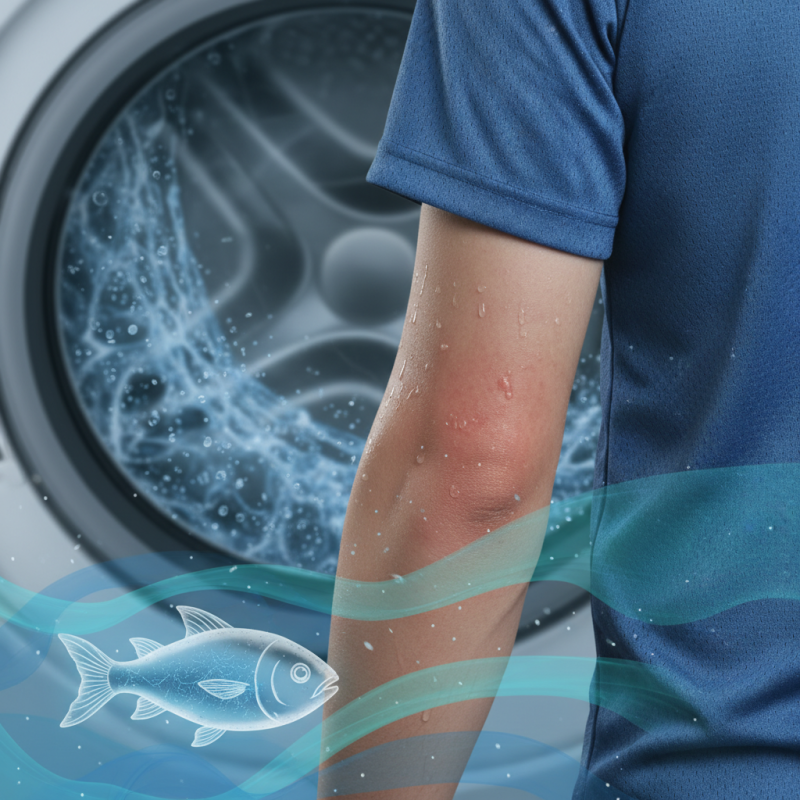
Moreover, the environmental impact of Wearing Polyester cannot be ignored. It sheds microplastics during washing, polluting waterways and affecting marine life. The reliance on this fabric reflects a larger consumer culture that prioritizes convenience over sustainability. After all, what does it mean for our health and planet to choose comfort over careful consideration?
Health Risks Associated with Polyester Fabric Exposure
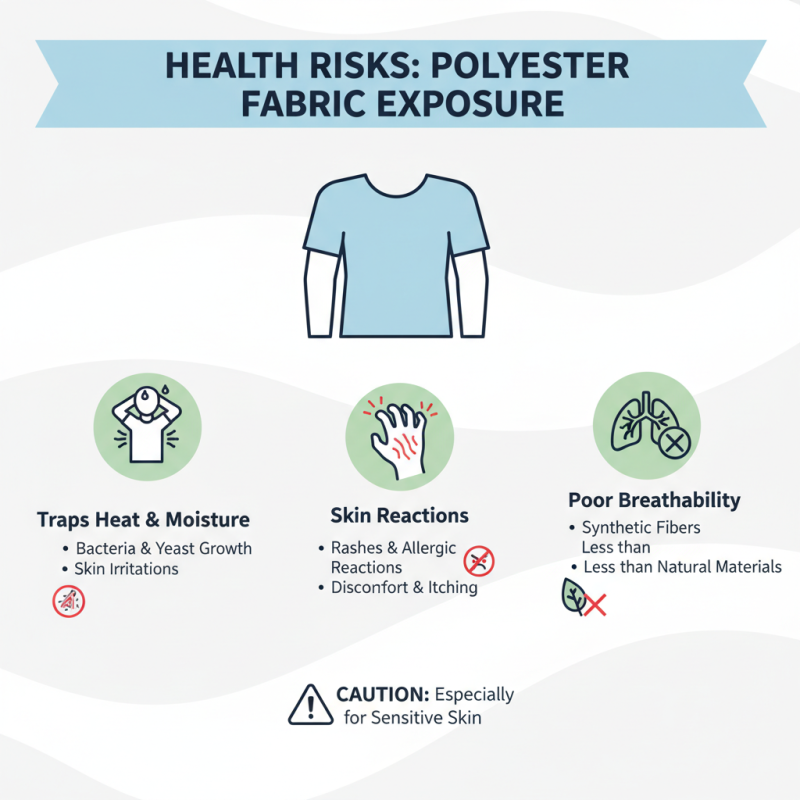
Polyester fabric has become a common choice in clothing, but it poses several health risks. When worn against the skin, it can trap heat and moisture. This creates a breeding ground for bacteria and yeast, potentially leading to skin irritations. Rashes and allergic reactions may develop, especially for those with sensitive skin. Some people report discomfort or itching. Synthetic fibers, like polyester, do not breathe as well as natural materials.
Another concern is the release of microplastics. Washing polyester garments sends tiny particles into the water supply. These microplastics can find their way into our food chain. Studies suggest connections between exposure to microplastics and health problems. They could lead to inflammation or other long-term issues. Furthermore, polyester is made from petrochemicals. This process can generate harmful emissions that contribute to environmental degradation, which indirectly affects human health.
Consider the effects of polyester on your well-being. Can one really prioritize fashion over health? When comfort and safety are at stake, the trade-offs of synthetic fabrics may not be worth it. Wool, cotton, or linen might be better options. Embracing natural fibers can lead to a healthier choice for your body and the planet.
Chemical Composition of Polyester and Its Health Implications
Polyester is widely used in clothing and textiles, but its chemical composition raises health concerns. The primary component of polyester is polyethylene terephthalate (PET). This synthetic polymer can release harmful substances when exposed to heat or worn over time. Studies suggest that some toxins, like antimony, can leach from polyester fabrics. Prolonged exposure may lead to health issues, including skin irritations and respiratory problems.
Many do not realize that polyester is derived from petrochemicals. The production process emits volatile organic compounds (VOCs), which can impact indoor air quality. VOCs can trigger allergies and asthma attacks. Furthermore, polyester fibers can accumulate dust and allergens, exacerbating respiratory issues for sensitive individuals. This is a troubling reality for many everyday users.
Tips: Choose natural fibers when possible. Cotton, linen, and wool are safer alternatives. Wash polyester garments before wearing to reduce chemical exposure. Lastly, always ensure good ventilation in areas where polyester clothing is stored or worn. These small steps can significantly reduce health risks associated with polyester.
Why is Wearing Polyester Bad for Your Health? - Chemical Composition of Polyester and Its Health Implications
| Chemical Component |
Potential Health Implications |
Environmental Impact |
| Polyethylene Terephthalate (PET) |
May release antimony, a toxic element, linked to cancer. |
Non-biodegradable, contributes to plastic pollution. |
| Polyethylene |
Can release volatile organic compounds (VOCs) affecting indoor air quality. |
Accumulates in oceans, affecting marine life. |
| Styrene |
Linked to respiratory issues and skin irritation. |
Contributes to air pollution and greenhouse gas emissions. |
| Phthalates |
Hormonal disruption and reproductive health issues. |
Toxic to aquatic organisms and ecosystems. |
| Formaldehyde |
Irritation of eyes, skin, and respiratory tract; classified as a carcinogen. |
Persistent in the environment, contributing to indoor pollutants. |
Common Allergies and Skin Reactions from Wearing Polyester
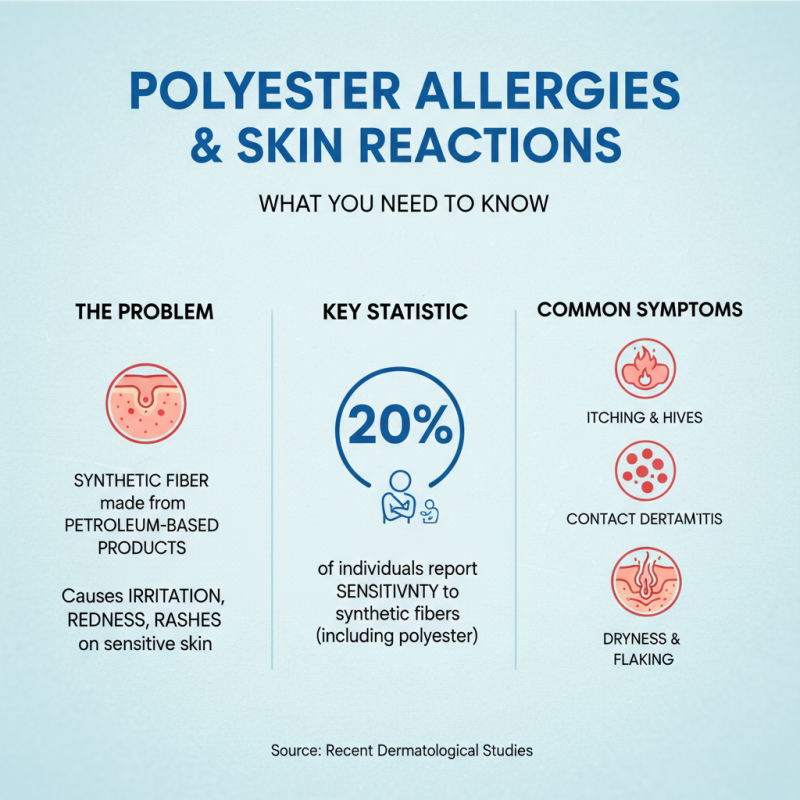
Wearing polyester can lead to various skin reactions and allergies for some individuals. Polyester is a synthetic fiber made from petroleum-based products. It may cause irritation, redness, or rashes on sensitive skin. According to recent dermatological studies, nearly 20% of individuals report sensitivity to synthetic fibers, including polyester.
Common reactions include contact dermatitis. This condition arises when the skin comes in contact with allergens. Polyester often holds moisture, which can worsen irritation. A report from the American Academy of Dermatology indicated that up to 30% of people with sensitive skin experience reactions from garments made from synthetic materials.
Notably, polyester can also affect breathability. It does not allow proper air circulation, which can lead to excessive sweating. Increased sweat can cause breakouts and skin infections. In extreme cases, some people may experience severe allergic reactions, although this is less common. It’s vital for consumers to be aware of how materials might affect their skin health.
Environmental Impact of Polyester Production and Its Indirect Effects
Polyester production has far-reaching environmental consequences. It typically involves petroleum extraction, a process that emits significant greenhouse gases. The extraction contributes to climate change, which can lead to extreme weather conditions and habitat loss. Production facilities often release harmful chemicals into local water systems, affecting nearby communities and wildlife.
Moreover, polyester is not biodegradable. When washed, microplastics from polyester garments enter waterways. These small particles can harm marine life and disrupt ecosystems. Eventually, these microplastics can make their way into our food chain. This indirect effect poses potential health risks to humans. Consuming contaminated seafood might lead to various health issues, from inflammatory diseases to hormonal disruptions.
We need to reflect on our clothing choices. The convenience of synthetic fibers often overshadows their environmental costs. Choosing natural fibers could help mitigate these impacts. Yet, many people remain unaware of this connection. This lack of understanding calls for greater awareness and education around our clothing habits and their consequences.
Alternatives to Polyester for Healthier Clothing Choices
Polyester has become a common fabric in modern clothing. Many don’t realize it can have negative health impacts. It’s made from petrochemicals and can release harmful compounds. These chemicals may irritate skin or trigger allergies. For those seeking healthier alternatives, several options exist.
Natural fibers like cotton and linen are great choices. They are breathable and hypoallergenic. Organic cotton, in particular, avoids harmful pesticides. Bamboo fabric is another eco-friendly option. It's soft and biodegradable, which makes it a sustainable choice. Wool can keep you warm, plus it's resistant to mold. Each option offers unique benefits.
**Tips:** When shopping for clothing, check labels for fabric content. Try to opt for items made of organic materials. Consider thrift stores or swap meets for unique second-hand finds. You’ll reduce waste and find unseen treasures. Remember, your choices directly impact your health and the planet. Choose wisely.