Why Wearing Polyester is the Best Choice for Buyers?
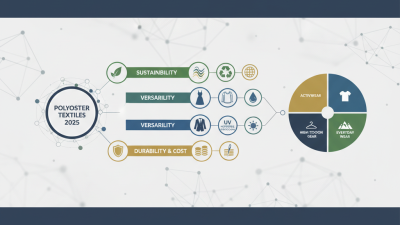
Wearing polyester has gained significant popularity, especially among buyers seeking comfort and durability. This versatile fabric offers numerous advantages that make it a preferred choice in various applications. Its lightweight nature and resistance to wrinkles and fading ensure that garments maintain their appeal over time.
Many buyers appreciate the affordability of polyester. This synthetic material is often cheaper than natural fibers, allowing consumers to save money without compromising on quality. Moreover, wearing polyester can result in lower maintenance costs, as it typically requires less washing and drying than other fabrics.
However, some may question the environmental impact of polyester production. While it is durable and long-lasting, polyester is made from petroleum products, raising concerns about sustainability. Despite these issues, the benefits of wearing polyester often outweigh the negatives. For many, its practical advantages provide a compelling reason to choose it for their wardrobe.
Benefits of Polyester Fabric for Everyday Use
Polyester fabric offers numerous benefits for everyday wear. It is known for its durability and resistance to wrinkles and shrinking. This means that polyester garments retain their shape and color even after multiple washes. Such qualities make it ideal for busy lifestyles, where convenience is key.
Moreover, polyester is lightweight and dries quickly. This feature ensures comfort throughout the day, as it allows for ease of movement. Many people appreciate how polyester resists stains effectively. Spills and marks are often easier to clean, saving time and effort. However, one should consider the breathability aspect. Sometimes, polyester may not be the best choice in extremely hot conditions.
Additionally, polyester is often more affordable than other fabrics. This economic advantage allows buyers to expand their wardrobe without breaking the bank. Although it may lack the luxurious feel of natural fibers, its practicality cannot be overlooked. Awareness of these aspects helps consumers make informed choices. The journey of sustainability in fashion also encourages exploration of recycled polyester options. This blend of affordability, durability, and eco-consciousness positions polyester as a strong contender for everyday use.
Benefits of Polyester Fabric for Everyday Use
Comparative Analysis of Polyester vs. Other Fabrics
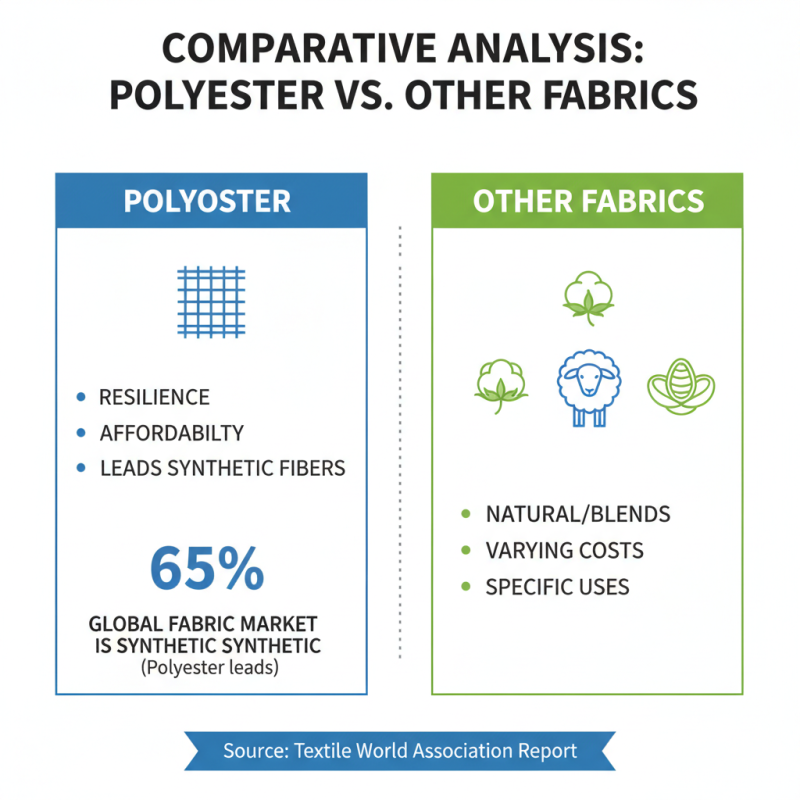
Polyester has gained significant traction in the textile industry. Its resilience and affordability make it a popular choice. According to a report by the Textile World Association, 65% of the global fabric market consists of synthetic fibers, with polyester leading the charge.
When comparing polyester to other fabrics, several factors stand out. Cotton, for example, is breathable but wrinkles easily. It often retains moisture, making it less suitable for active wear. On the other hand, wool provides warmth. However, it can be itchy and requires special care. Industry data shows polyester garments retain shape and color better than both cotton and wool. They are less prone to shrinking, which is a notable drawback of cotton.
Despite its advantages, polyester raises sustainability concerns. Recycled polyester can mitigate some issues. Yet, some consumers question its environmental impact compared to natural fibers. Evaluating trade-offs is important. As buyers, choosing the right fabric involves weighing durability, maintenance, and ecological footprints. Understanding these dynamics helps make informed choices.
Durability and Maintenance of Polyester Clothing
Polyester clothing stands out for its durability and low maintenance. It resists wrinkles, shrinking, and fading, making it ideal for everyday wear. This fiber can withstand regular washing and still look fresh. Many people appreciate that polyester retains its shape even after multiple washes. This attribute makes it a reliable choice for busy lifestyles.
When caring for polyester, consider these tips: Wash garments in cold water to prevent damage. Use a gentle cycle to keep fabrics intact. Air-drying is beneficial, but tumble drying on low is acceptable. This minimizes wear and tear. Sometimes, polyester can feel less breathable. Wearing layers can help manage comfort levels.
Pay attention to your polyester wardrobe. Stains can be tricky, but treating them promptly aids in maintenance. Use mild detergents to avoid fabric degradation. Although polyester is durable, it can trap odors. Occasional deep cleaning could help refresh your clothing. Regular inspection for signs of pilling or fading will ensure your pieces last longer.
Why Wearing Polyester is the Best Choice for Buyers? - Durability and Maintenance of Polyester Clothing
| Attribute |
Polyester |
Cotton |
Wool |
| Durability |
High, resistant to stretching and shrinking |
Moderate, prone to wear and tear |
High, but can be damaged by moths |
| Maintenance |
Easy care, machine washable, quick drying |
Requires more effort, may shrink |
Requires special care, dry clean recommended |
| Moisture Wicking |
Excellent, keeps you dry |
Average, can retain moisture |
Good, but absorbs moisture |
| Color Retention |
Excellent, resists fading |
Good, but colors can fade |
Average, color can fade over time |
| Cost |
Generally lower |
Varies, often higher |
Typically higher |
Sustainability Considerations for Polyester Production
Polyester has gained attention for its sustainability. This synthetic fiber is derived from petroleum. However, advances in production methods are improving its environmental impact. Many manufacturers now utilize recycled polyester. These fibers are made from discarded plastics. In this process, waste is transformed into new materials. This approach helps reduce plastic pollution significantly.
Despite its benefits, polyester production still raises concerns. The chemical processes used can be resource-intensive. Non-renewable resources are often required. This creates a demand for fossil fuels, contributing to climate change. As buyers, there is a responsibility to understand these nuances. Supporting brands that prioritize recycling and sustainable practices can drive positive change.
Another aspect is the durability of polyester. It lasts longer than many natural fibers. This longevity reduces the frequency of replacements. However, consumers must consider end-of-life disposal. Polyester isn’t biodegradable, and improper disposal contributes to environmental issues. Thoughtful choices in purchasing and discarding are crucial. A better understanding of these factors can lead to smarter decisions in fashion.
Versatility of Polyester in Fashion and Home Textiles
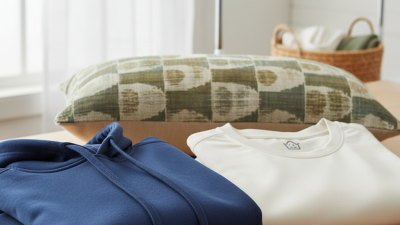
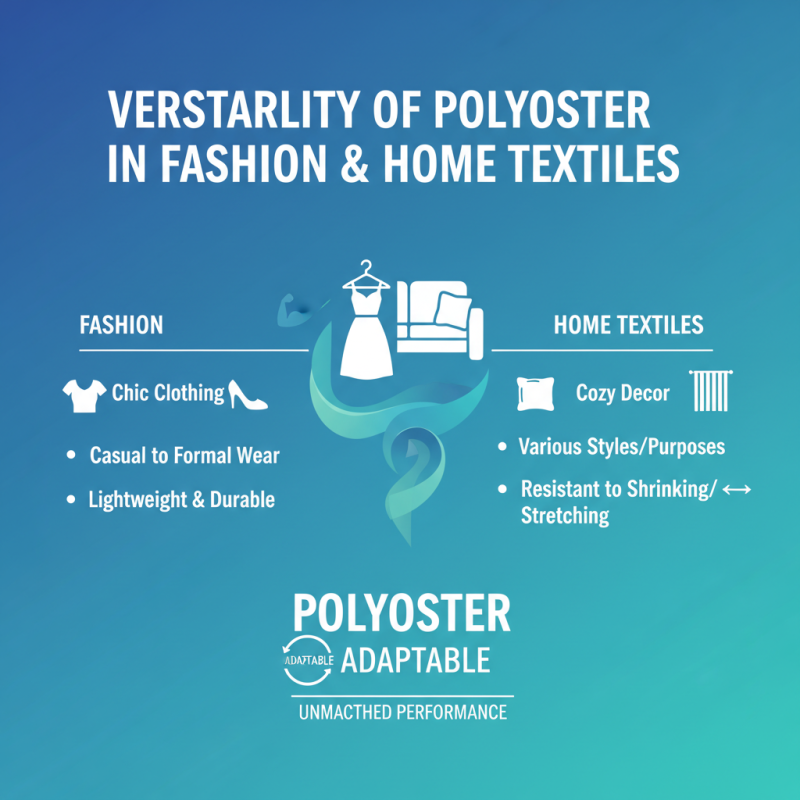
Polyester has gained a strong foothold in both fashion and home textiles. Its versatility is unmatched. From chic clothing to cozy home decor, it fits various styles and purposes. This fabric can effortlessly transition from casual to formal settings. It's lightweight, durable, and resistant to shrinking or stretching.
For those looking to refresh their wardrobe, consider mixing polyester pieces with other fabrics. This combination creates depth and texture. Select vibrant colors or patterns to make a bold statement. Don't shy away from experimenting with layering. A polyester dress can be paired with a denim jacket, adding flair and interest.
When it comes to home textiles, polyester's quick-drying nature makes it ideal for curtains and upholstery. Its ability to resist wrinkles simplifies care routines. Choosing polyester bedding can lead to fewer laundry days. However, one must be cautious. Some polyester fabrics can feel less breathable. Opt for blends that incorporate natural fibers, enhancing comfort.
In short, polyester's adaptability is perfect for today’s fast-paced lifestyle. It's a choice that meets both functional and aesthetic needs.