2026 Top Polyester V Cotton Trends for Global Buyers?
As global consumers become increasingly conscious of material choices, the spotlight turns to the ongoing debate of Polyester V Cotton. This duality highlights essential concerns regarding sustainability, performance, and cost. With 2026 approaching, buyers must navigate the evolving textile landscape.
The polyester versus cotton discussion dives deep into the impact of each fabric on the environment. Polyester, a synthetic fiber, offers durability and adaptability. It excels in moisture-wicking, making it popular for activewear. Cotton, meanwhile, is heralded for its breathability and comfort. However, its cultivation often requires significant water and pesticides.
Understanding these nuances is crucial for buyers aiming to make informed choices. Trends may sway towards eco-friendliness, reshaping textile production. Nevertheless, the conversation surrounding Polyester V Cotton is complex. Buyers must weigh benefits and drawbacks, reflecting on personal values and the implications of their purchases.
Overview of Polyester V Cotton Blends in 2026
Polyester and cotton blends have gained increasing popularity in recent years. The 2026 market for these fabrics is expected to soar, driven by consumer demand for versatility and comfort. Recent industry reports project a compound annual growth rate of 5.2% in this sector. This growth reflects the blend's appeal for everyday wear, sports apparel, and work uniforms.
Manufacturers are innovating to enhance the feel and performance of polyester-cotton blends. In 2026, expect advancements in moisture-wicking and breathability features. Current trends show that blends containing 65% polyester and 35% cotton offer a balance of softness and durability. However, the environmental impact remains a concern. Sustainable practices in production are increasingly urgent.
Tips: When sourcing polyester-cotton blends, consider their end-use. Are they suitable for activewear or formal attire? Look for certifications that ensure environmental responsibility. Transparency in manufacturing can help mitigate concerns about pollution and waste management. Choose suppliers who prioritize eco-friendly processes and materials to support sustainable fashion initiatives.
Key Trends Influencing Polyester V Cotton Fabric Choices
The choice between polyester and cotton fabrics is shaped by various key trends. One major factor is sustainability. Consumers are increasingly prioritizing eco-friendly options. According to a report by the Textile Exchange, 63% of global consumers consider sustainability essential in their fabric choices. This trend compels manufacturers to innovate. They seek ways to recycle polyester and reduce cotton’s environmental impact.
Another influential trend is performance and versatility. Polyester is lightweight and moisture-wicking, making it ideal for activewear. Cotton, while breathable, may not always meet performance demands. The Global Apparel Market Report indicates that 45% of buyers prefer polyester blends for their durability and ease of care. However, some consumers still find cotton more appealing for its natural feel. This divide prompts brands to explore cotton-polyester blends.
Affordability also plays a critical role. Polyester generally costs less to produce than cotton. However, fluctuating cotton prices can challenge budget-conscious buyers. The Fabric Market Analysis notes that 30% of buyers focus on cost-effectiveness. Yet, this may compromise quality, igniting a discussion on longevity versus initial price. As buyers navigate these choices, understanding their priorities becomes essential for both consumers and manufacturers.
Sustainability and Eco-Friendliness in Polyester V Cotton
In recent years, sustainability has become a crucial focus in the textile industry. Polyester and cotton blend fabrics present a fascinating intersection of eco-friendliness and function. Cotton, known for its natural properties, is biodegradable. On the other hand, polyester, often criticized for its environmental impact, can now be produced using recycled materials. This shift sparks discussions about the balance between performance and sustainability.
As consumers, we must reflect on our choices. Blended fabrics can offer durability, yet their production often involves energy-intensive processes. There’s a growing need for transparency in sourcing and manufacturing. Are brands genuinely committed to eco-friendly practices? Often, the answer isn’t straightforward. Many companies tout sustainability, but true commitment requires ongoing effort and accountability.
Innovation in this sector remains essential. Sustainable practices can lead to new materials and production methods. However, achieving meaningful change takes time and collaboration across the industry. Global buyers need to advocate for genuine sustainable options, pushing for clear information about the life cycle of products. Being informed empowers us to make responsible choices in our purchasing habits.
2026 Top Polyester V Cotton Trends for Global Buyers
Design Innovations in 2026 Polyester V Cotton Collections
The 2026 collections of polyester and cotton blends reveal exciting design innovations. These fabrics combine durability and comfort. Eco-friendly practices drive many of these new trends. Designers focus on sustainability in their creations, using recycled materials. This shift reflects consumer demand for responsible fashion.
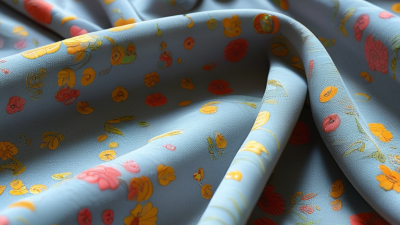
The look of polyester-cotton blends is evolving. Expect vibrant colors and bold patterns. Textures will vary from smooth to more textured finishes. These innovations offer endless possibilities for garment creation. However, some designs struggle to match function with style. Balancing aesthetics and practicality remains a challenge.
In addition, the production process sees advancements. Technology enables more intricate designs while reducing waste. Yet, the industry must address the environmental impact of synthetic fibers. Transparency in sourcing remains necessary. As brands strive for innovation, the journey is not without obstacles.
Market Insights: Consumer Preferences and Demand Patterns
As we approach 2026, the polyester v cotton debate continues to shape consumer preferences in textiles. Many buyers now seek sustainable options that blend comfort with environmental awareness. Polyester offers durability and moisture-wicking properties, while cotton is favored for its natural feel. Understanding these dynamics is crucial for manufacturers aiming to capture the shifting market.
Consumer demand is leaning towards blends that provide the best of both worlds. Fabrics combining polyester and cotton appeal to those who value performance without sacrificing comfort. Additionally, trends show a rising interest in recycled materials, reflecting a growing eco-consciousness among buyers. This shift may challenge brands to innovate while maintaining quality.
However, not all blends hit the mark. Some polyester-cotton fabrics may not meet expectations in breathability or comfort. Consumers are becoming increasingly discerning, voicing their preferences on social media and reviews. This feedback loop can offer insights but also reflects the ongoing struggle for brands to adapt. Monitoring changes is crucial for staying ahead in this evolving market.
2026 Top Polyester V Cotton Trends for Global Buyers
| Trend Category |
Description |
Consumer Preference (%) |
Region |
| Sustainability |
Increased demand for eco-friendly fabrics with lower environmental impact. |
65% |
North America |
| Comfort and Fit |
Preference for fabrics that provide comfort and flexibility. |
70% |
Europe |
| Aesthetic Appeal |
Trends leaning towards vibrant colors and prints. |
58% |
Asia-Pacific |
| Breathability |
Growing interest in breathable fabrics for activewear and casual wear. |
72% |
South America |
| Blend Variants |
Innovative blends that combine the best properties of polyester and cotton. |
66% |
Middle East |
| Technology Integration |
Integration of smart textiles and performance-enhancing features. |
63% |
Africa |