Best Sheer Polyester Fabric for Global Buyers in 2026?
In the evolving world of textiles, sheer polyester stands out. By 2026, this fabric is expected to dominate the market. It attracts global buyers due to its versatility and elegance. Sheer polyester is lightweight yet durable, making it ideal for various applications. From fashion to home décor, its appeal is widespread.
Many manufacturers are embracing sheer polyester for its cost-effectiveness. This fabric offers a graceful drape, enhancing the aesthetic of any project. However, not all sheer polyester fabrics are created equal. Buyers must be cautious and discerning in their choices. Fabric quality can vary significantly, and some products may not meet expectations.
Understanding the nuances of sheer polyester is essential. Expertise and experience play a crucial role in selecting the right fabric. Research into reputable suppliers and brands can lead to better decision-making. Buyers must reflect on their specific needs and preferences. With careful consideration, sheer polyester can elevate any design and meet the demands of the modern marketplace.
Overview of Sheer Polyester Fabric and Its Advantages
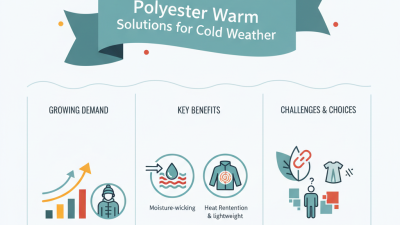
Sheer polyester fabric has gained popularity due to its versatility and lightweight characteristics. The global demand for this fabric has surged in recent years, with a projected growth rate of 5.6% from 2021 to 2026, according to industry reports. This fabric combines durability with an elegant appearance, making it suitable for various applications including apparel, home textiles, and curtains.
One significant advantage of sheer polyester is its resistance to wrinkles and shrinking. This feature adds to its appeal for consumers looking for low-maintenance textiles. Furthermore, the fabric can be easily dyed in vibrant colors, allowing for creative designs. A report from the Textile Sustainability Association indicates that sheer polyester is increasingly favored for sustainable fashion choices.
Despite its benefits, some challenges remain. The production of polyester can involve significant energy consumption and environmental impact. Ongoing research is focusing on more sustainable production methods. Buyers must weigh these factors when considering sheer polyester. The balance between aesthetic appeal and environmental responsibility continues to be a topic of debate in the industry.
Best Sheer Polyester Fabric for Global Buyers in 2026
| Fabric Type |
Weight (GSM) |
Transparency Level |
Durability |
Common Uses |
Price Range (per yard) |
| Lightweight Sheer |
60 |
High |
Moderate |
Curtains, Blouses |
$5 - $10 |
| Medium Sheer |
80 |
Medium |
High |
Lingerie, Dresses |
$8 - $15 |
| Heavyweight Sheer |
100 |
Low |
Very High |
Table Linens, Upholstery |
$12 - $20 |
| Eco-Friendly Sheer |
70 |
Medium |
High |
Eco-Conscious Fashion |
$10 - $18 |
Key Trends Influencing the Global Sheer Polyester Market in 2026
The sheer polyester market is witnessing significant shifts as we approach 2026. A report from Grand View Research suggests that the global sheer polyester market will exhibit a compound annual growth rate (CAGR) of around 5.2%. This growth is driven by increasing demand in fashion and home textiles. Consumers now prefer lightweight and breathable fabrics, making sheer polyester a go-to choice for many applications.
Sustainability trends also play a pivotal role. Eco-conscious consumers are pushing manufacturers to utilize recycled polyester fibers. Reports indicate that 60% of buyers are willing to pay more for sustainable options. This presents a challenge, as not all manufacturers are equipped to meet these demands. There is an ongoing need for innovation and adaptation in supply chains to align with eco-friendly practices.
Market dynamics are shifting as emerging economies increase their purchasing power. In Asia-Pacific, significant growth is projected due to the rise of the middle class. However, challenges like fluctuating raw material prices can hinder development. The focus on quality control and reliable sourcing remains essential for global buyers navigating this evolving landscape.
Top Global Suppliers of Sheer Polyester Fabric and Their Offerings
As the demand for sheer polyester fabric continues to rise, global suppliers are adapting. According to recent market studies, the sheer polyester fabric market is projected to grow by 4.2% annually through 2026. This growth is driven by the expanding applications in fashion, home décor, and industrial sectors.
Many suppliers are focusing on sustainable practices. They are investing in eco-friendly production methods to meet consumer preferences. For instance, some manufacturers are using recycled materials, which can reduce environmental impact. However, the quality and texture may vary, which can be a point of concern for buyers. It’s essential for global buyers to vet suppliers thoroughly.
Additionally, it's noteworthy that not all suppliers offer the same level of customization. While some provide a wide range of colors and designs, others may have limitations. This inconsistency can affect the final product. Global buyers should be prepared to navigate these variations as they source sheer polyester fabric. Balancing quality, sustainability, and price remains a challenge across the industry.
Best Sheer Polyester Fabric for Global Buyers in 2026
This chart illustrates the preferences of global buyers regarding sheer polyester fabric in 2026. Key criteria such as quality, price, durability, color variety, and sustainability have been evaluated on a scale of 1 to 10. As evidenced, durability and quality rank highest among buyer preferences.
Sustainability Considerations in Sheer Polyester Fabric Production
Sustainability in the production of sheer polyester fabric is increasingly crucial. As global awareness of environmental issues grows, manufacturers face pressure to adopt eco-friendly practices. Polyester, a synthetic material, is often criticized for its environmental impact, especially due to the fossil fuels used in its production. Transforming this process into a sustainable one requires innovative approaches.
Recycling old polyester aims to minimize waste. This process involves collecting used polyester garments, which can then be repurposed into new fabrics. While this method holds promise, it is not without challenges. Not all polyester items are recyclable, and the quality of recycled materials can vary. Ensuring consistent quality is vital for manufacturers and buyers alike.
Water consumption during production is another pressing concern. Polyester manufacturing can be water-intensive, often leading to significant resource depletion. Efforts to improve this aspect include using advanced technologies that reduce water usage. Yet, this method still demands further refinement. Expanding sustainable practices requires ongoing reflection and adaptation in the industry, acknowledging that many challenges remain.
Applications of Sheer Polyester Fabric Across Various Industries
Sheer polyester fabric continues to gain traction in various industries due to its versatility and aesthetic appeal. In fashion, designers value its lightweight nature, making it ideal for elegant evening dresses and flowing blouses. This fabric drapes beautifully, creating soft silhouettes that enhance visual appeal. However, it can sometimes lack opacity, which may lead to unintended areas being exposed. Therefore, careful design consideration is crucial.
In the home textiles sector, sheer polyester is popular for curtains and window treatments. It allows natural light to filter through while maintaining privacy. The fabric's durability is commendable, ensuring that it withstands wear over time. Yet, the maintenance of sheer polyester can be challenging, as it may require special care to avoid discoloration. This could deter some consumers from choosing it for long-term installations.
Moreover, sheer polyester is emerging in sportswear and activewear. Its lightweight quality offers excellent breathability, enabling comfort during physical activities. The moisture-wicking properties help keep the body dry. Still, achieving a perfect balance of stretch and support is a constant challenge in this field. Innovations are needed to enhance performance without compromising fabric feel. Each application brings unique challenges while showcasing the adaptability of sheer polyester across diverse industries.